Reducing Barriers to Food Security, Recreation, and Community Participation
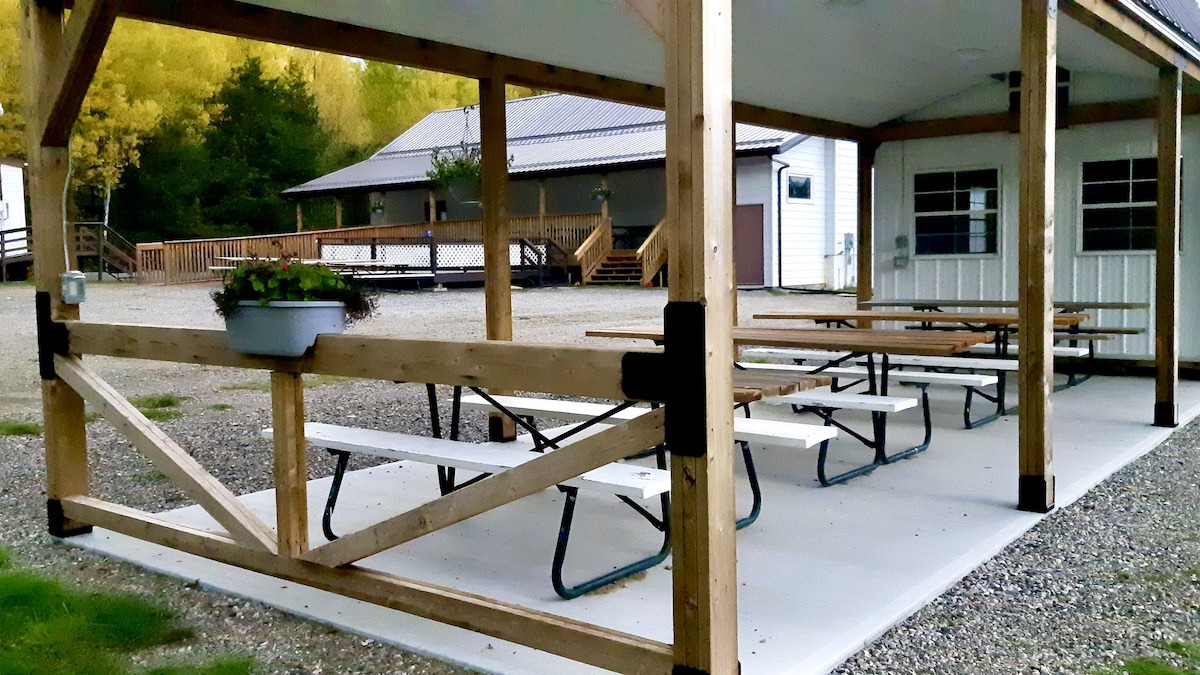
In 2026, The Local Services Board of Melgund is making improvements to the Dyment Recreation Hall kitchen and community garden to make both spaces easier to use and better equipped for community activities. Reliable water access is an important part of that work, helping volunteers maintain the garden, prepare food safely, and organize more programs at the hall throughout the year.
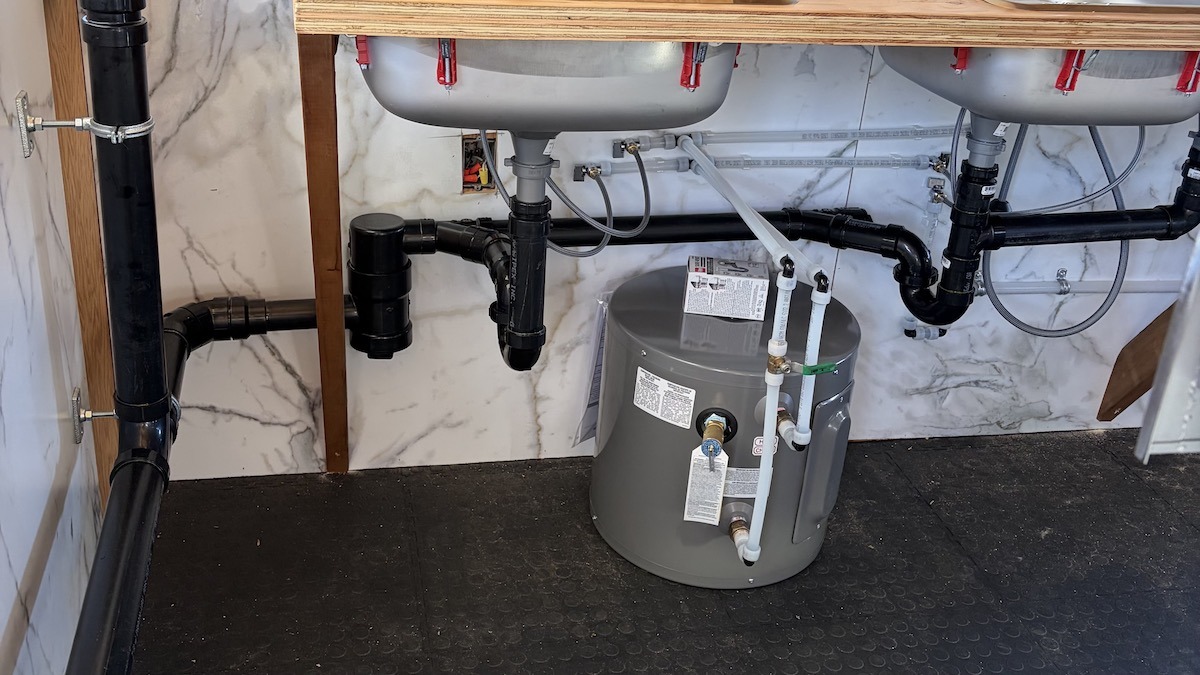
The kitchen will receive a reliable, code-compliant water connection, along with plumbing upgrades, energy-efficient fixtures, improved drainage, and accessible sink and food preparation areas. These changes will make it easier to host community meals, cooking workshops, youth activities, and cultural events, while bringing the kitchen in line with public health standards.
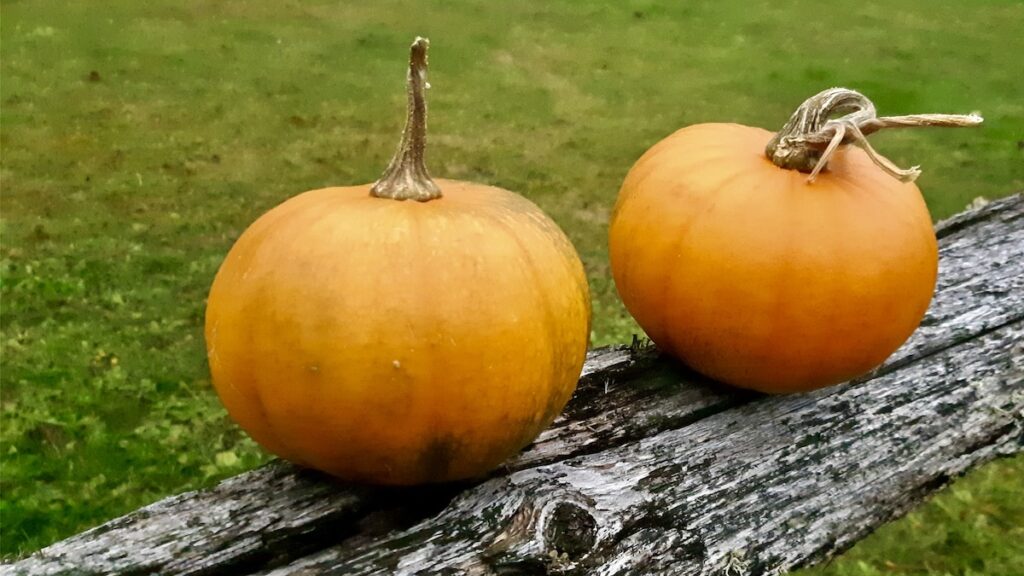
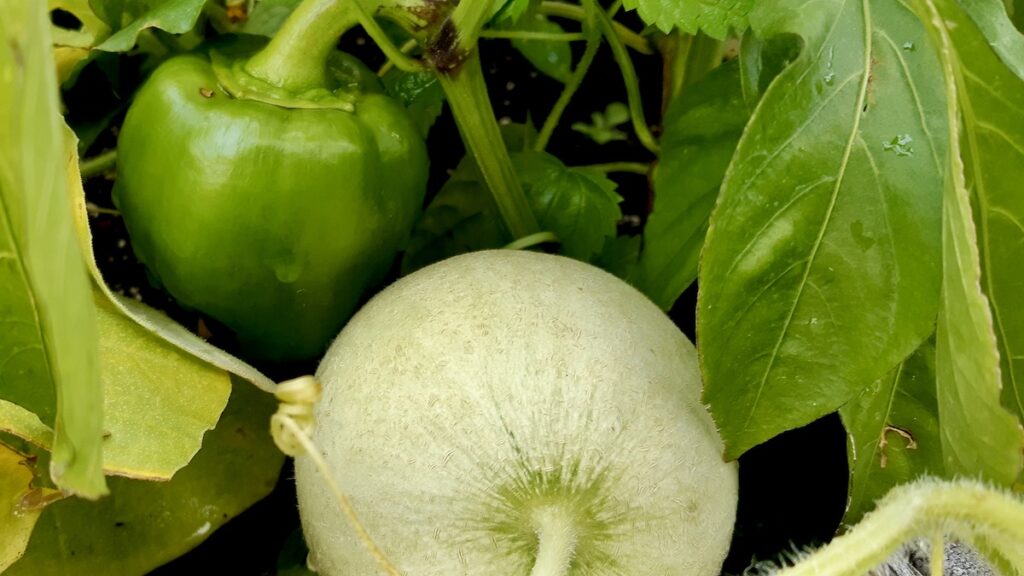
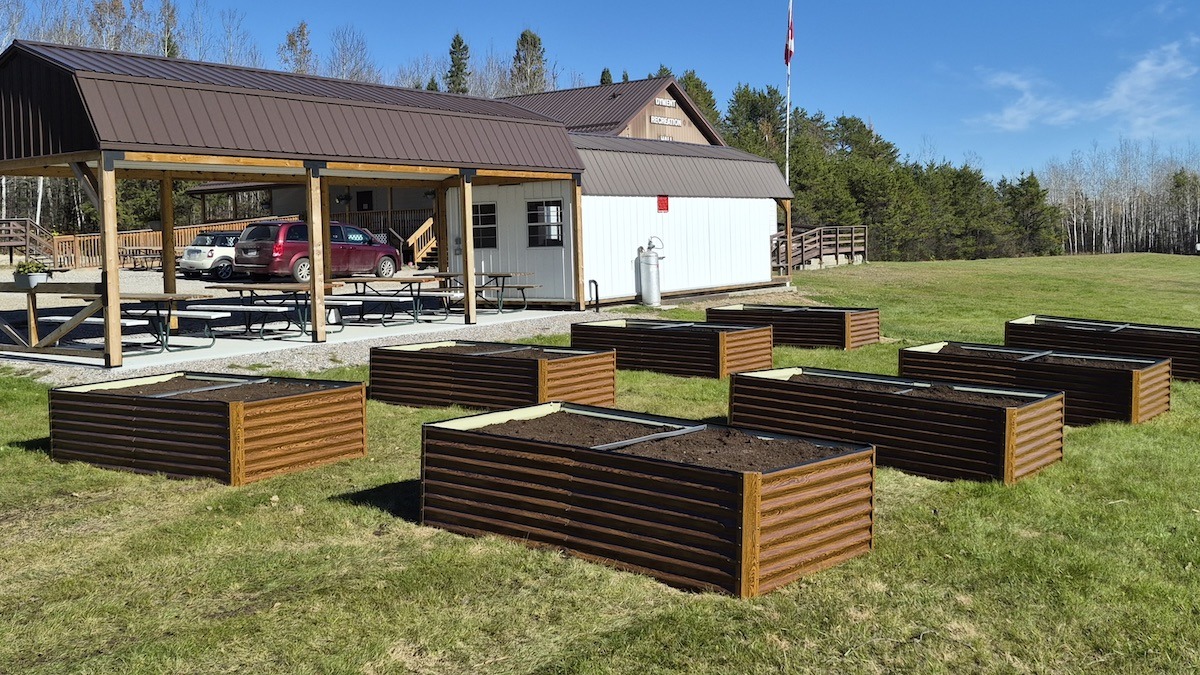
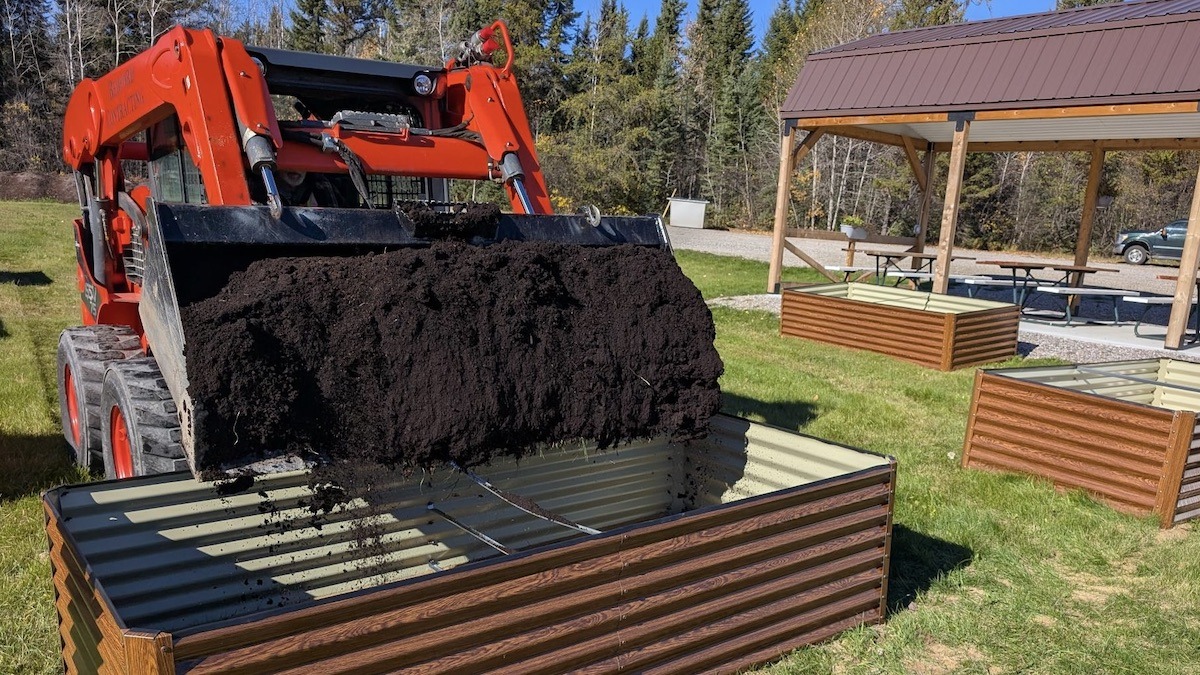
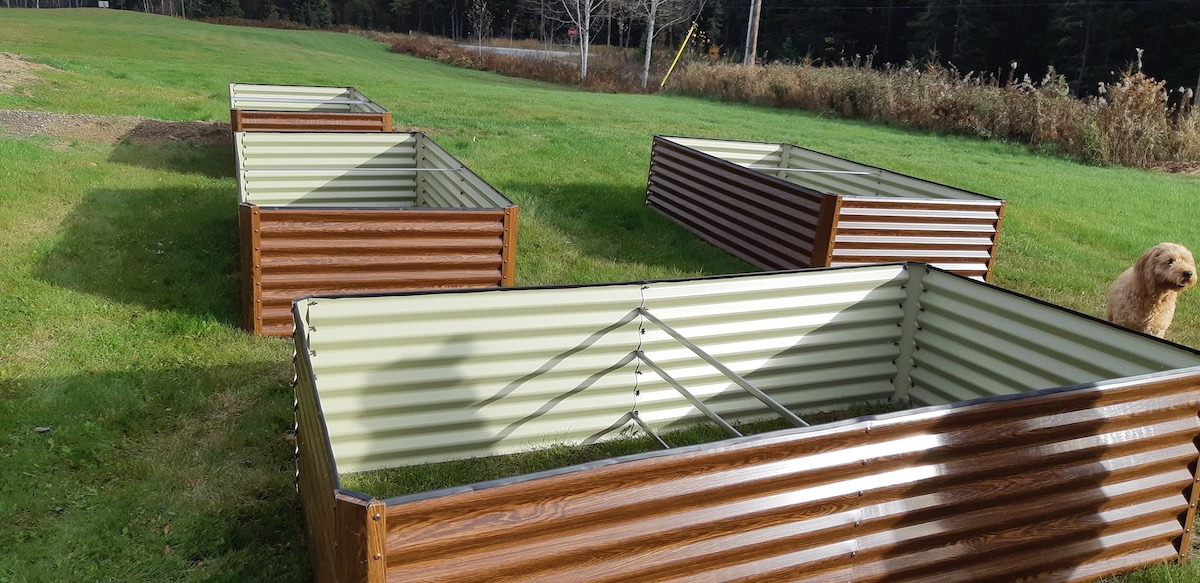
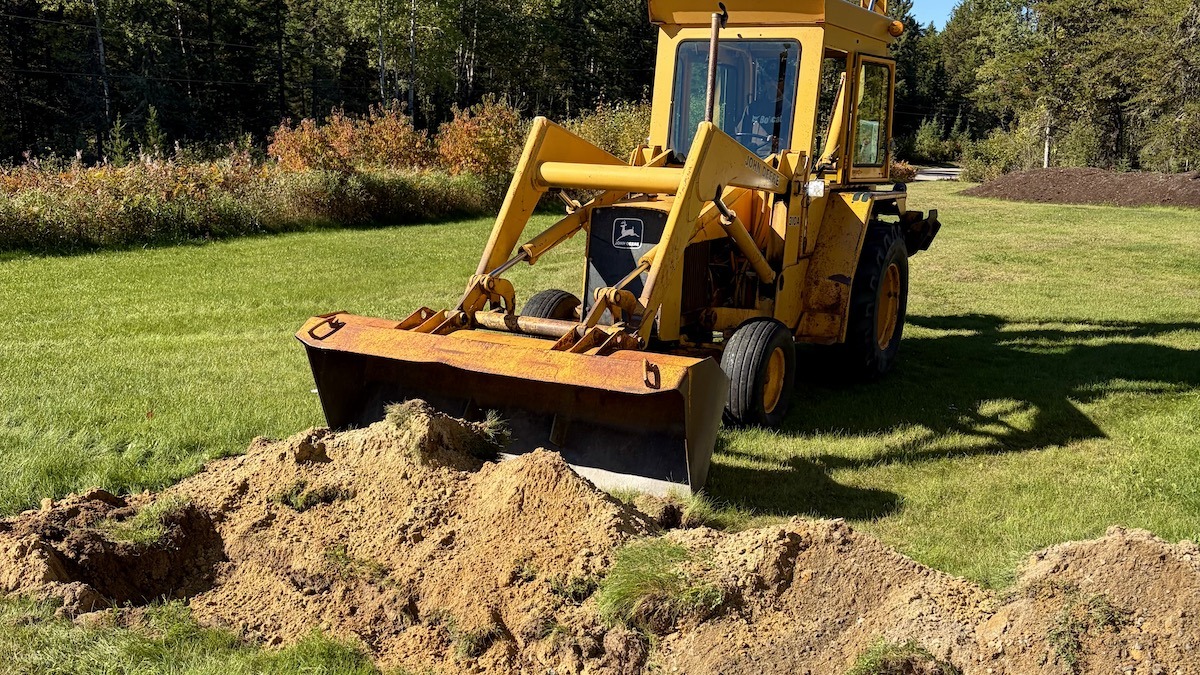
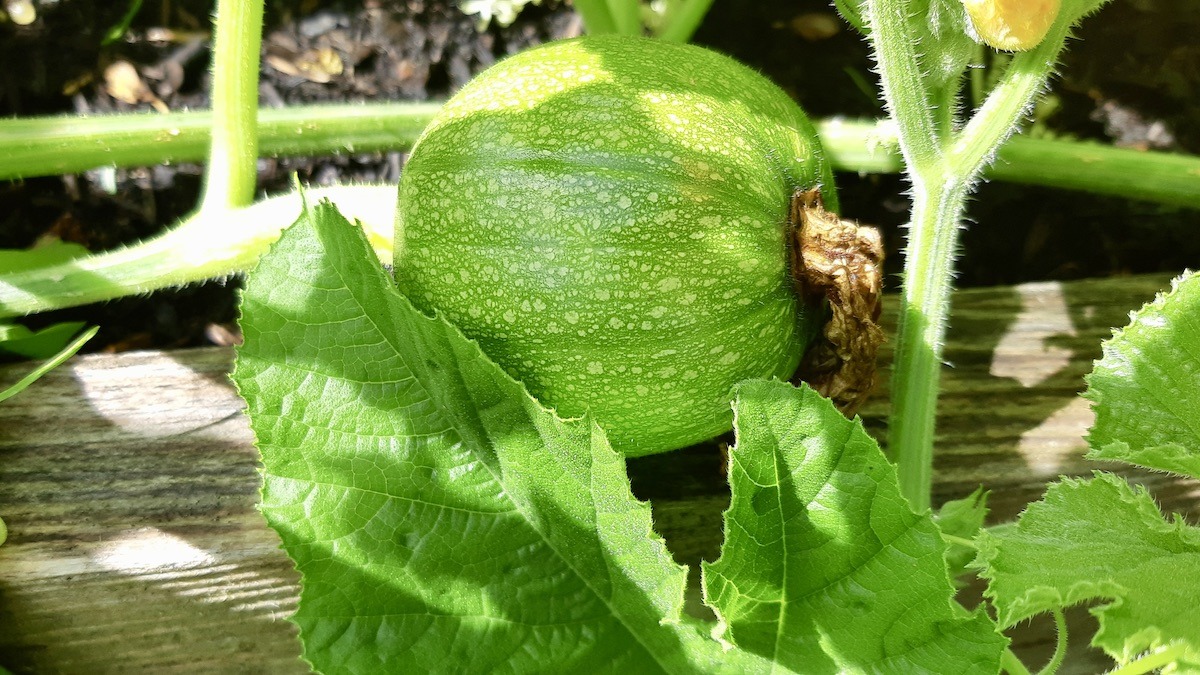
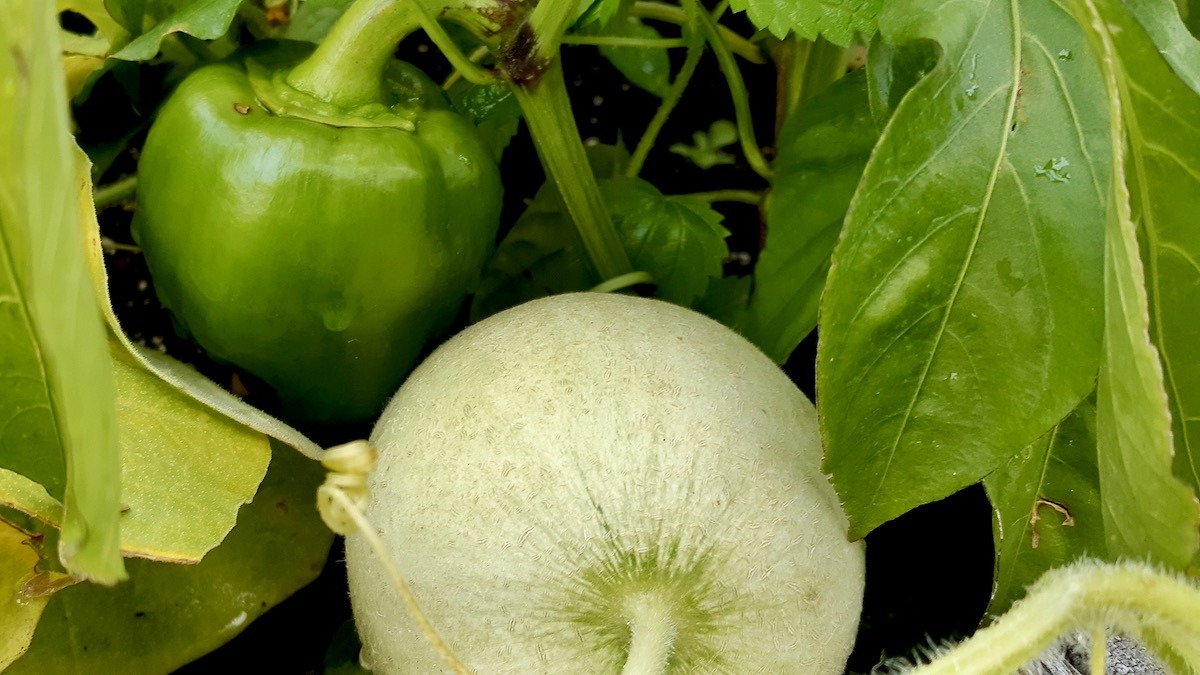
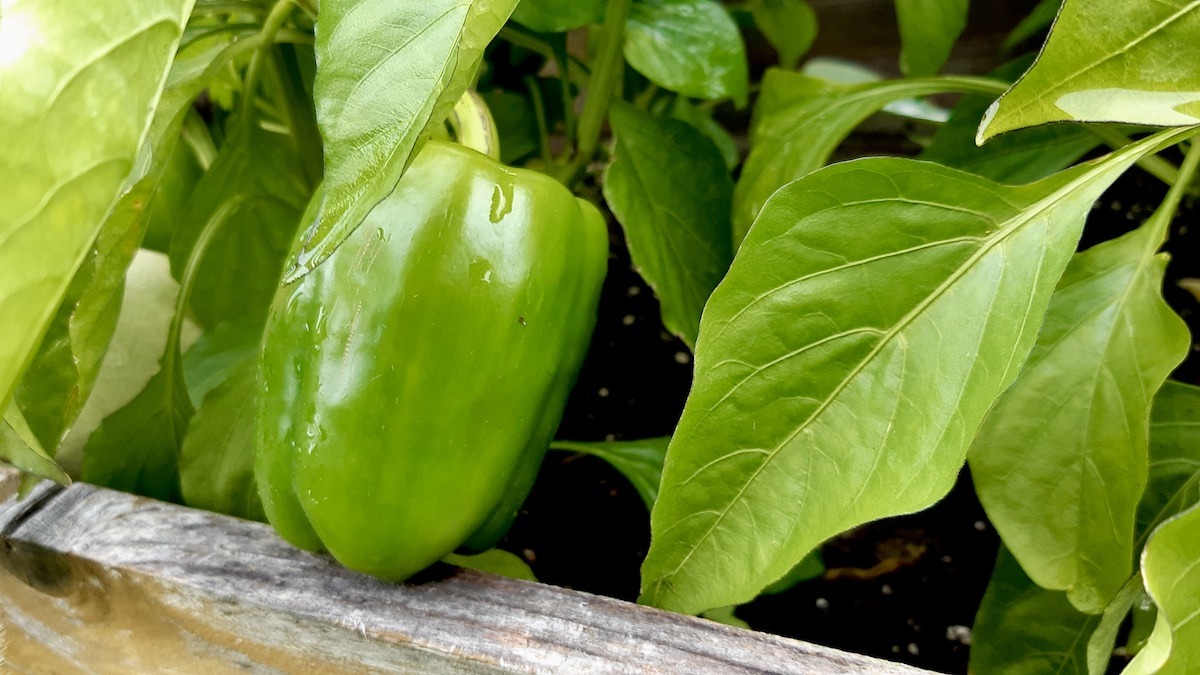
At the community garden, hose bibs, and seasonal irrigation lines will make watering crops less time-consuming for volunteers. Further improvements, including raised beds, accessible pathways, tool storage, composting systems, and rainwater collection, will help keep the garden productive and make it easier for more people to take part.
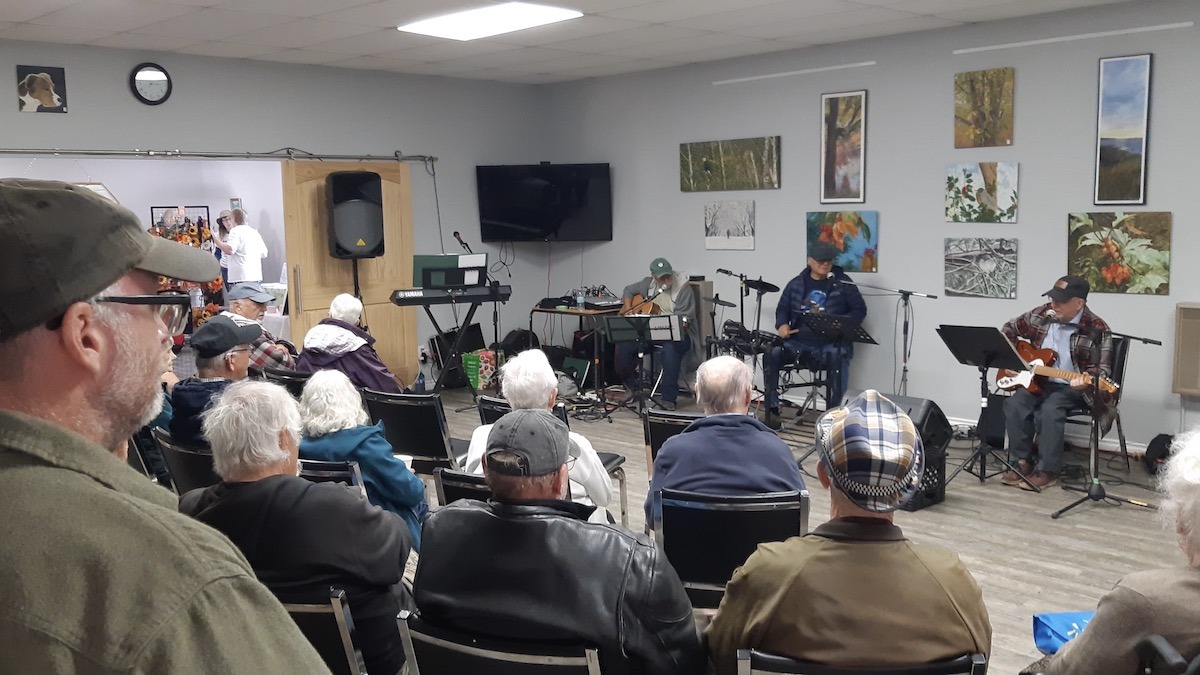
The work builds on the time and effort local volunteers have already put into these spaces. With better water access and more functional facilities, the kitchen and garden can support cooking classes, gardening activities for different generations, nutrition education, arts and cultural programming, and other community gatherings. These are practical improvements that will help Melgund make better use of its existing facilities, support local food production, and give residents more opportunities to work and spend time together.
This project was made possible with funding from the Ontario Trillium Foundation Capital Grants program and the Nuclear Waste Management Organization. We are incredibly thankful for their support.
Improving Access to Food and Recreation
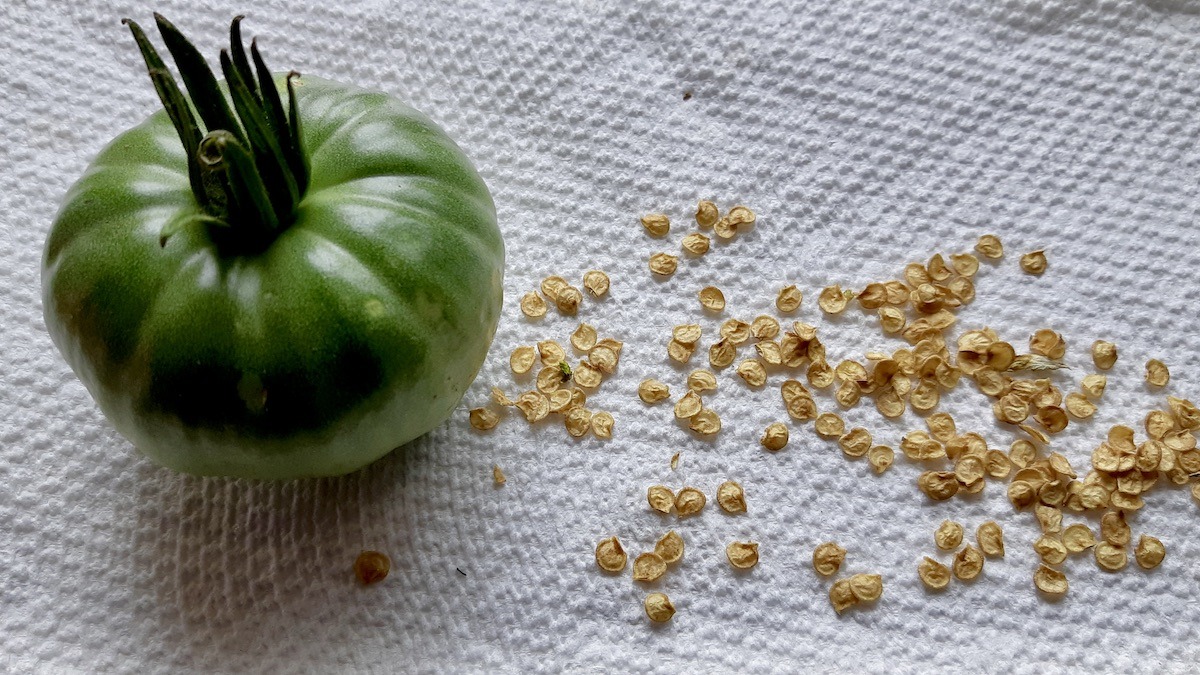
In Northwestern Ontario, distance and cost can make it difficult to access fresh food, particularly for households on fixed or limited incomes. With few grocery options nearby, the community garden provides an important opportunity for residents to grow food locally and share in the work of producing it. Improving irrigation and garden infrastructure will help increase yields, make better use of the growing season, and reduce the time and effort required of volunteers.
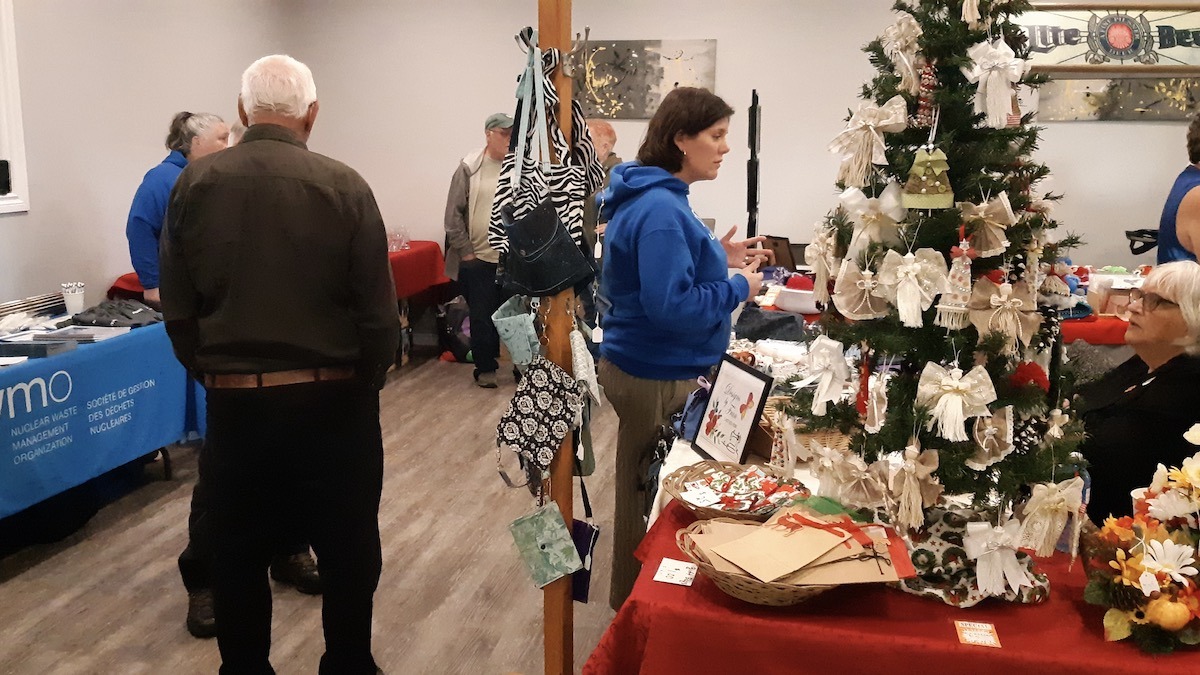
The benefits extend beyond food production. Children and youth can take part in gardening and nutrition activities, seniors can stay active and connected, and families can participate in community meals and shared events. These opportunities are particularly valuable in a rural community where transportation costs, geographic isolation, and limited local services can make participation in organized activities more difficult.
The project will also help make these spaces accessible to people with different physical abilities and circumstances. Raised garden beds, improved pathways, and accessible kitchen facilities will make it easier for seniors and people with mobility challenges to participate. Free or low-cost cooking workshops, gardening activities, and community meals will provide opportunities for households facing financial pressures to take part without cost becoming an obstacle.
Melgund is home to people with different backgrounds, experiences, and needs. Shared gardening, harvesting, cooking, and community gatherings offer practical ways for Indigenous residents, newcomers, families, and neighbours to spend time together and contribute to community life. By improving access to safe facilities, locally grown food, and affordable recreation, the project will help ensure that more residents can participate, regardless of income, age, mobility, or where they live.