Exploring the simple, satisfying process of turning dry clay scraps back into smooth, workable material.
There is something surprisingly satisfying about slaking clay. What begins as dry, hardened scraps slowly transforms back into soft, workable material through nothing more than water, patience, and time. For beginners exploring pottery and ceramics, slaking clay can become both a creative experiment and a relaxing hands-on learning experience.
Slaking clay is the process of reclaiming dried clay by soaking it in water until it breaks down into a smooth slip or slurry. Potters and ceramic artists have used this method for generations to recycle leftover clay from projects, trimmings, cracked pieces, or unused scraps. Instead of throwing material away, the clay is given a second life.
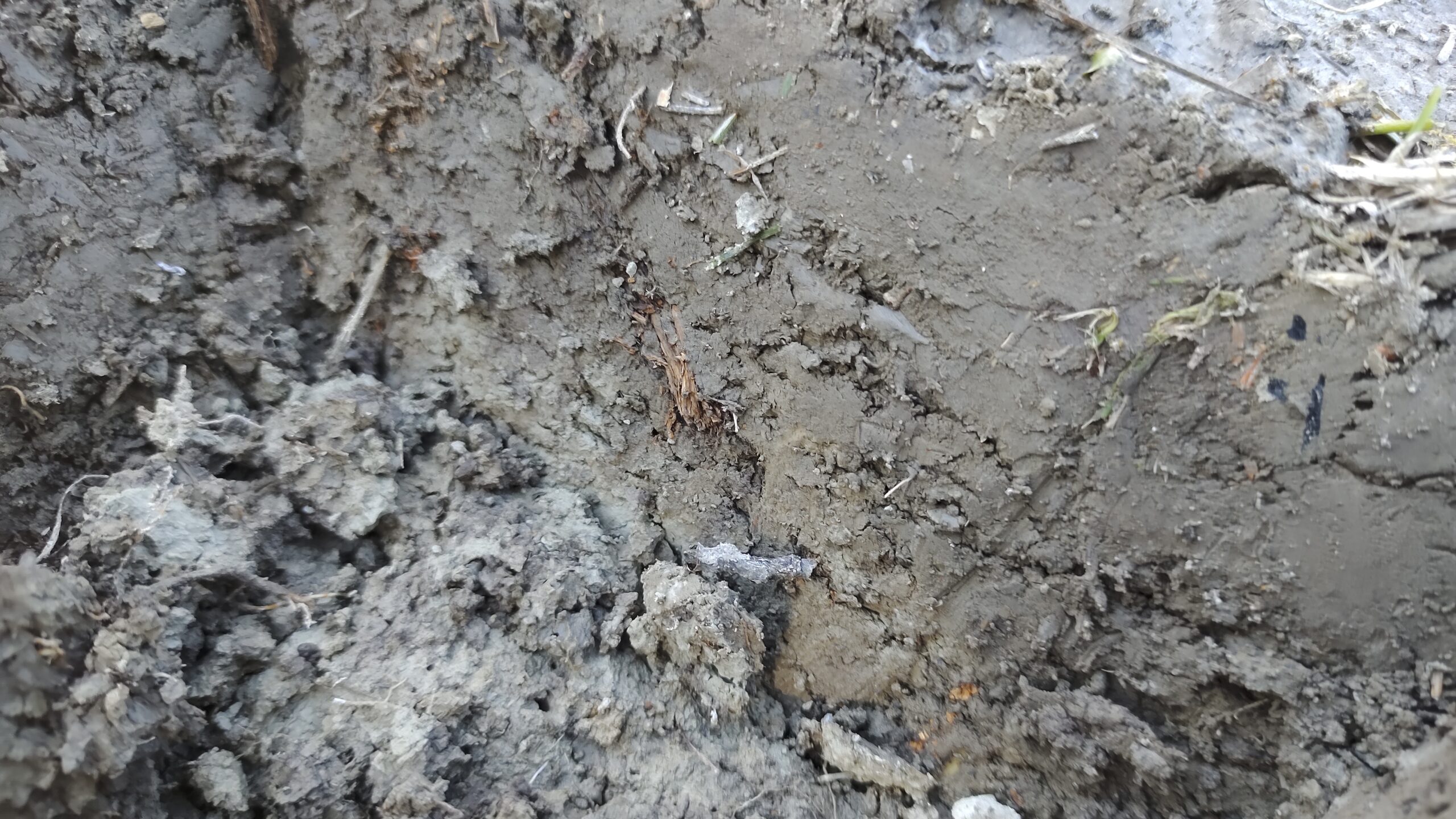
For many people learning ceramics, the process itself becomes part of the joy. Dry chunks of clay are placed into a bucket or container, then covered with water. Over time, the clay absorbs moisture, softens, and slowly collapses into a thick, earthy mixture. Watching the transformation happen feels almost magical, especially for beginners discovering how responsive natural materials can be.
Slaking clay is also an excellent educational project because it teaches patience and observation. Unlike fast-paced crafts or instant results, clay works on its own timeline. The material cannot be rushed. Students, artists, and hobbyists learn to pay attention to texture, consistency, moisture, and balance while reconnecting with a slower, more tactile creative process.
The sensory experience is another reason people enjoy learning about clay reclamation. The earthy smell of wet clay, the cool feeling of the slip between your hands, and the simple act of mixing and reshaping material can feel calming and grounding. Many ceramic artists describe working with clay as both creative and meditative.
Beyond creativity, slaking clay introduces important lessons about sustainability in art practices. Reclaiming clay reduces waste and encourages artists to reuse materials thoughtfully. In pottery studios, school art rooms, and community ceramic programs, reclaiming clay through slaking is often one of the first practical skills students learn.
Once the slaked clay reaches the proper consistency, excess water can be removed and the clay can be wedged back into a usable form. From there, it is ready for handbuilding, sculpting, wheel throwing, or other ceramic projects. What once seemed dry and unusable becomes full of possibility again.
For anyone curious about pottery, slaking clay is a wonderful place to begin. It is affordable, accessible, and deeply connected to the history of ceramics and handmade art. More than just a technical process, it offers an opportunity to slow down, experiment, and appreciate the simple transformation of earth and water into something creative and new.