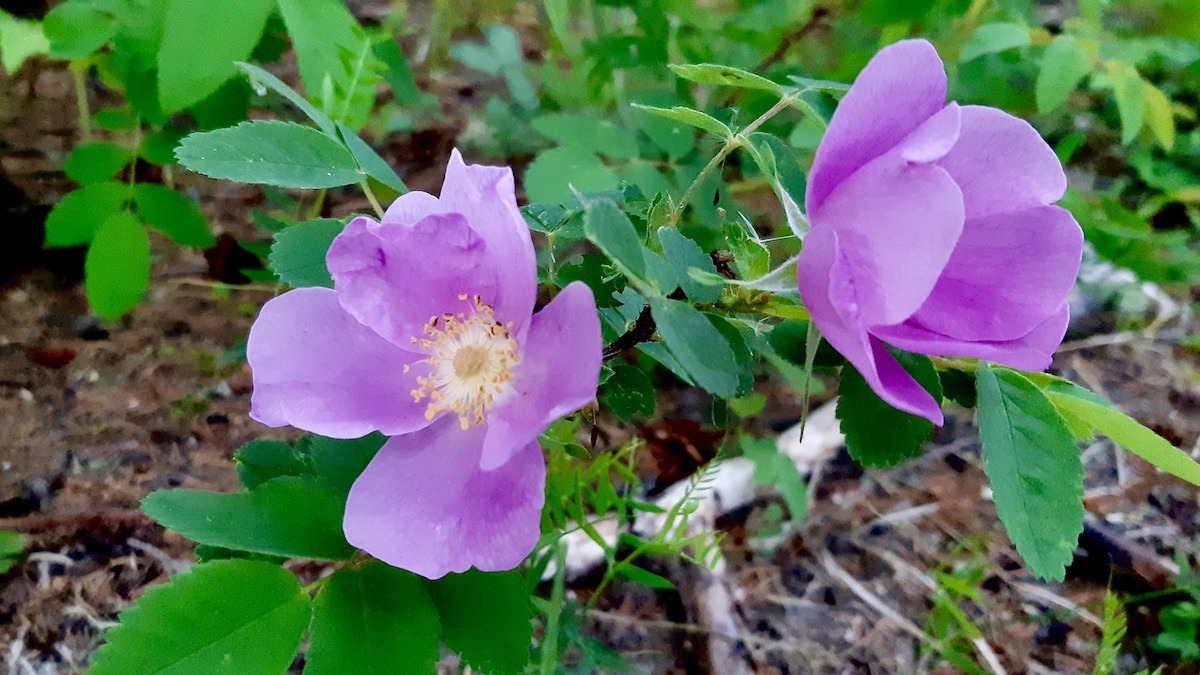
Native wild roses bring resilient beauty and ecological benefits to local revitalization efforts
The ongoing revitalization of Dyment Recreation Park is set to incorporate a foundational element of the regional landscape, as project planners look to native northwestern Ontario wild roses to anchor the new green spaces.
The initiative, part of a broader community park rejuvenation strategy, aims to establish a sustainable and resilient environment that reflects the natural heritage of the area. Local organizers selected the prickly rose, Rosa acicularis, due to its evolutionary adaptation to the harsh winters and variable soil conditions characteristic of the Kenora District.
Integrating indigenous flora into public spaces offers distinct practical advantages over ornamental, non-native varieties. Once established, these wild shrubs develop deep, complex root systems that stabilize the northern soil and resist local drought conditions. This choice drastically reduces the resources required for long-term maintenance, irrigation, and seasonal replanting.
The ecological impact of the wild rose remains a primary driver for its inclusion in the Melgund Township project, alongside its structural durability. The open, five-petaled pink blossoms provide accessible nectar and pollen sources for native bees, butterflies, and other vital pollinators during the peak summer months. In the autumn, the flowers give way to bright red rose hips, offering a critical winter food source for local bird populations and small mammals.
Visually, the addition introduces an authentic sense of place to Dyment Recreation Park. The vibrant pink petals contrasted against deep green foliage provide a classic northern aesthetic that integrates seamlessly into the surrounding wilderness, showcasing the stark visual contrast and hardy structure of these regional blooms as they appear in their natural habitat.
Prioritizing these durable, culturally significant plants ensures that the upgraded community space remains economically viable, ecologically productive, and visually tied to the rugged landscape of northwestern Ontario for generations to come.