Local investment in digital infrastructure is helping rural communities build more connected and capable meeting spaces.
A community space needs to keep up with the ways people meet, work, share information and get things done. At the Dyment Recreation Hall and Park, some of that work has been happening behind the scenes, downstairs.
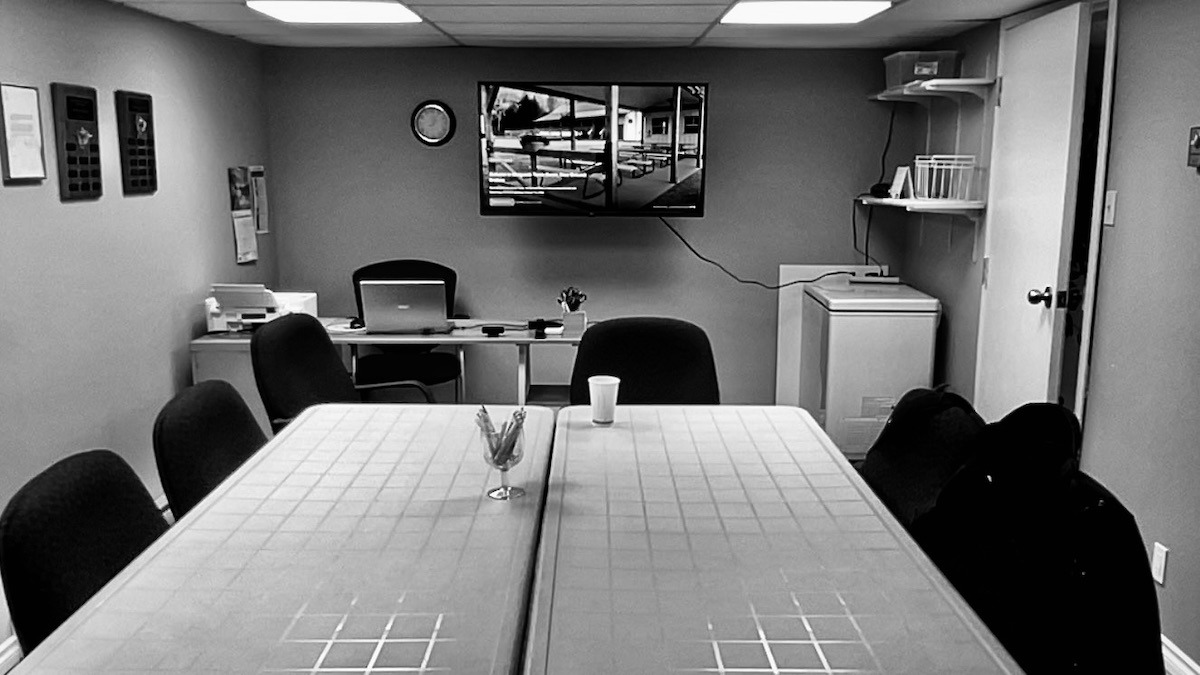
Over the past few months, the Art Borups Corners Society has been working on improvements to the digital connectivity and technical capabilities of the hall’s lower-level office and workspace. The upgrades are making the space better equipped to support community meetings, workshops, online participation, project coordination and a wider range of engagement activities.
For rural and northern communities across Northwestern Ontario, reliable digital infrastructure can make a real difference. Limited bandwidth, inconsistent connectivity and a lack of local IT infrastructure can make it harder to participate in online meetings, access resources or coordinate activities with people beyond the immediate community. These are practical challenges that affect how community organizations operate and how residents take part.
Improving the technology available at the hall is one way of addressing those challenges locally. The lower-level workspace is becoming a more capable place to bring people together, whether they’re meeting around a table, connecting with participants elsewhere or working on community projects.
A lot of this work isn’t particularly visible, and that’s fine. Not every improvement needs to be a major construction project or something new on display. Sometimes it’s about making the existing spaces work better and giving people more ways to use them.