
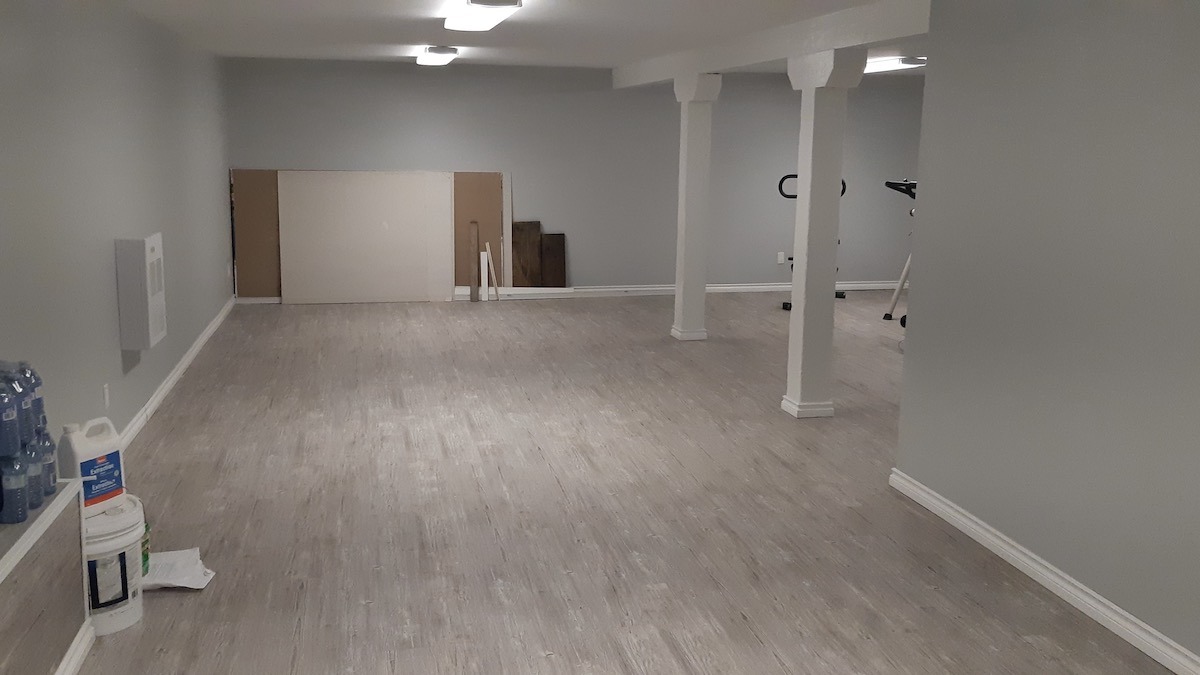
The lower level flooded in 2022, and has since been rebuilt. It has been largely empty since.
How a Simple Storytelling Project Built a Blueprint for Northern Arts
Small arts organizations in Northwestern Ontario routinely face unique challenges in digital engagement and creative capacity. And there have been a lot of changes since the pandemic. And with the aggressive growth of new technologies like AI, things have been changing fast.
The arts sector is not in transition—it has effectively shattered. And for small, remote, and chronically under-resourced arts organizations, particularly in Northwestern Ontario, this isn’t a theoretical discussion for a future-focused symposium; it’s daily, grinding reality. The digital shift isn’t a gentle tide; it’s a flash flood, often leaving behind overwhelming expectations, inadequate tools, and exhausted volunteers.
“Go digital,” “build an online presence,” “engage a global audience”—these mandates often become impossible tasks stacked atop grant writing, facility management, and the core work of making art.
This is the narrative of scarcity—a story of being left behind. The Unfinished Tales and Short Stories project was conceived as a direct rebuttal. On the surface, it introduced and explored things like storytelling, experimental narrative and applied AI research. However, its true purpose was far bigger: it was an experiment for building capacity. Storytelling became a Trojan horse to deliver foundational skills and systems thinking that artists and communities need not just to survive—but to thrive—in an arts sector that is changing faster than most of us can realize.
This wasn’t a storytelling project that happened to use technology; it was a capacity-building engine fueled by creativity. And the most important output wasn’t the six-million-words of datasets—it was a replicable model for resilience and artistic liberation.
Automation as Artistic Liberation
For too many small arts organizations, the greatest enemy is a tyranny of the urgent and repetitive. Time—the most precious, non-renewable resource—is most often consumed by endless minutiae: formatting blog posts, resizing images, compiling reports, or hunting for a grant proposal from three years ago to chase more funding. This administrative friction grinds down creativity, turning passionate artists into weary administrators.
The Unfinished Tales project attacked this head-on, reframing automation. A single story fragment didn’t just exist as text—it became the seed of an ecosystem. From that seed, the system generated literary analyses, cinematic treatments, and formatted screenplays. It wasn’t about producing more content; it was a way to understand narrative itself, and how ideas evolve across mediums.
We then applied this principle to distribution and communication. A finished story wasn’t an endpoint; it triggered a dozen automated processes. Key themes and quotes became social media posts. Collections were automatically transformed into blogs or EPUBs. Metadata—keywords, genre, tone—was functional, powering dynamic, searchable collections and automated reporting.
We were building an organizational nervous system. Think of it as a platform that offloads repetitive work and frees human hands and minds to focus on creation, connection, and dreaming. Artists weren’t learning to code; they were learning to architect their own efficiency. They discovered that structuring a story and structuring a system are the same principle—and this is the first, critical form of capacity: reclaiming time and creative energy.
The Modern Curators
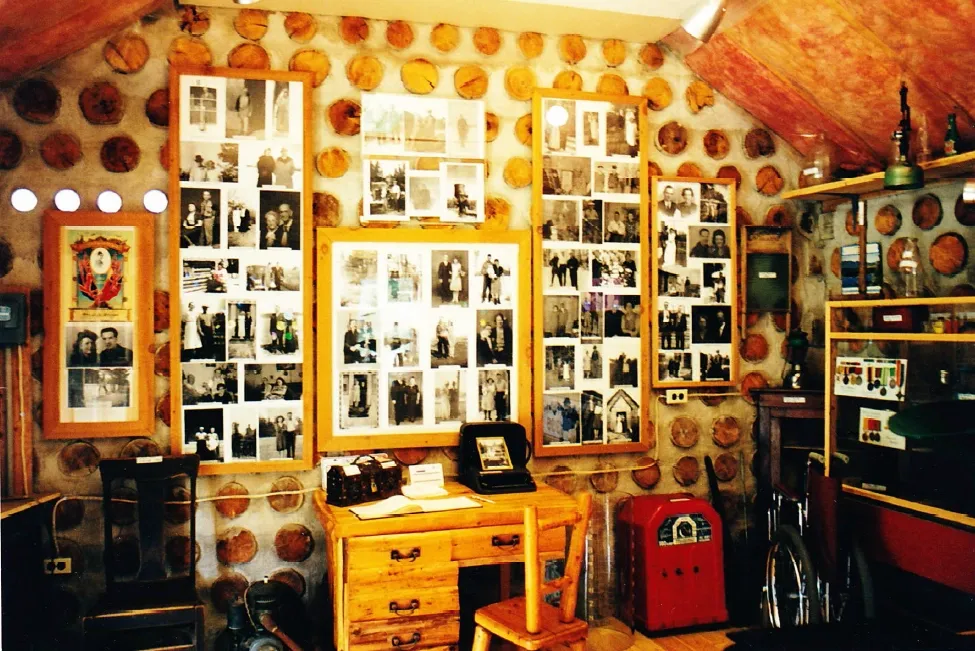
While the project delivered practical benefits, its deeper impact lay in preparing participants for the future of cultural work. Take the emerging gallery and museum program with Northwestern Ontario-based Melgund Recreation, Arts, and Culture. Here is a community with a rich history, aging knowledge-keepers, and remotely connected youth. With limited capacity, how do they manage collections, digitize heritage, and engage the public?
The Unfinished Tales project aimed to explore an answer. Managing a six-million-word dataset of stories, scripts, treatments, and analyses taught skills that translate directly to building a modern digital archive. Today’s curator is no longer just a steward of objects … they have to be an information architect, systems thinker, and digital storyteller too!
Artists learned to think in terms of metadata, linking stories to analyses, authors, historical context, and keywords. They discovered that a well-structured database is not a boring spreadsheet. It’s actually a powerful tool for uncovering hidden connections and generating insight.
This virtual experience is now a practical blueprint for Melgund Township’s small art gallery and museum program, showing how to ingest local histories, digitize photos, transcribe oral stories, and make everything accessible, searchable, and interconnected. The automation-related aspects were intended to help reduce the pressure on volunteers, enabling them to focus on interpretation, storytelling, and engagement.

Intergenerational Knowledge and the New North
When the project started to explore fusing digital systems with physical community spaces, they created a new vehicle for a critical task relevant to many Northwestern Ontario communities: intergenerational knowledge translation. The project became a form of digital campfire, able to capture Elders’ stories as more than static recordings. Stories that become living, interactive data.
Youth engaged these stories in meaningful ways. AI tools helped analyze narrative structures. Imagine a story as a short film, or draft scripts, creating a bridge between generations. Using AI doesn’t mean replacing human connection; it can amplify it, providing new languages and tools for young people to honour and carry forward their heritage.
As it grows, using these new tools and approaches, Melgund Township’s gallery and heritage space becomes more than a room with objects. It becomes a hub, a studio, a place where past and future meet. The skills cultivated in Unfinished Tales empower community members to curate their own stories and shape their cultural legacy, taking the heavy lifting off their shoulders while giving them the freedom to learn, create, and connect.

Building Capacity for the Future
This project was never just about art, stories or AI. It explored forging a new model for Northern arts: self-sufficient, technologically fluent, and deeply rooted in community. Investing in skills, systems, and creative processes, the program built a capacity that outlives any single project.
They built a platform for the future.
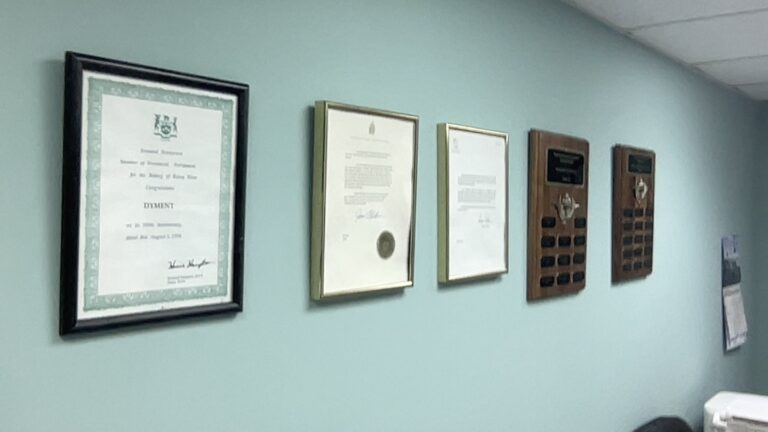
We are profoundly grateful to the Ontario Arts Council’s Multi and Inter-Arts Projects program and the Government of Ontario for their support. They invested in an experiment that proved the most powerful creation isn’t another artwork—it’s a more capable and resilient artistic community.
Unfinished Tales was a joy to create, a transformative learning experience, and a testament to how interdisciplinary exploration can light a path forward—especially for those who have long been told they are on the margins.
And as it turns out the margins are where the future is being built.
Thank You!
The project was made possible with funding and support from the Ontario Arts Council Multi and Inter-Arts Projects program and the Government of Ontario. Special thanks to The Arts Incubator Winnipeg, Art Borups Corners; The Local Services Board of Melgund and the Minneapolis College of Art and Design Creative Entrepreneurship program.
About the Author