
Did the Early Conversations Include Us?
As we look out over our beautiful corner of Northwestern Ontario, many of us are wondering how the proposed Deep Geological Repository ended up being planned for the Revell Site. The Nuclear Waste Management Organization has recently shared details about their ‘Phase 1’ consultation, which they call ‘Conversations About Expectations.’ For those of us in Melgund Township, Borups Corners, and Dyment, understanding this Impact Assessment process is the first step in making sure our voices aren’t lost in the shuffle.
What We Are Learning
The proponent explains that they started by ‘listening and learning’ through face-to-face meetings, workshops, and research. They commissioned about 70 specialist papers on everything from ethics to engineering. One of the biggest pieces was a ‘Scenarios Exercise’ where a team of 26 people tried to imagine what the world would look like 10,000 years from now to see how future generations might interact with buried nuclear waste. They say this ‘information foundation’ was built by combining expert opinions with Indigenous knowledge and the experiences of people currently living near temporary waste storage sites.
The Reality Check
What is being promised: A collaborative, nationwide study built on the ‘knowledge, wisdom, and insight’ of the public and Indigenous Peoples.
What we need to verify: While the list of meetings is long, there is very little data on who actually attended. We don’t know if any of our neighbors in Dyment or Borups Corners were involved, or if the ’26 individuals’ imagining the next 10,000 years represent the values of people who actually live on this land.
The Path Forward
The report noted a significant lack of demographic data and specific outcomes from these early meetings; therefore, we are calling for a detailed ‘What We Heard’ report that explicitly links community feedback to actual changes in the project. It is not enough to say they ‘listened’—we need to see the proof of what changed because of those conversations. Furthermore, the selection criteria for the ’26 individuals’ in the Scenarios Exercise must be made public to ensure the long-term safety of our water and soil isn’t being decided by a closed loop of insiders.
Why It Matters Here
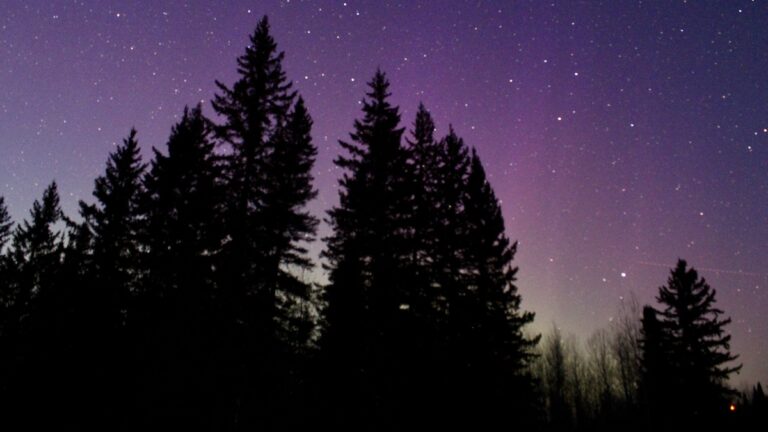
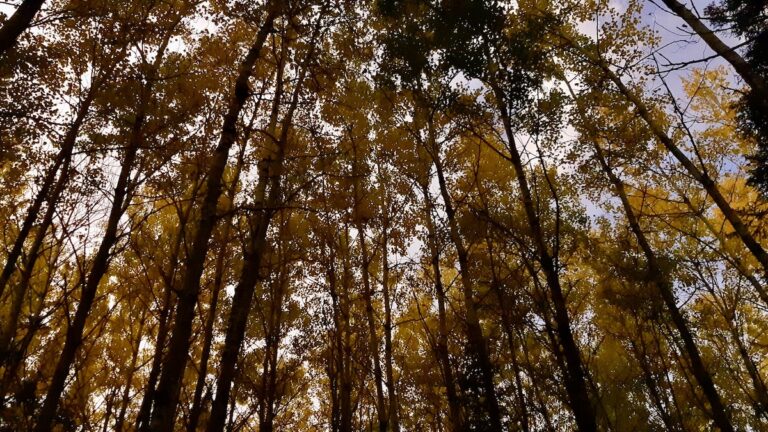
In Northwestern Ontario, our lifestyle is tied to the land. Whether it’s hunting, fishing, or just enjoying the silence of the bush, a project that lasts 10,000 years isn’t just a technical challenge—it’s a change to our home forever. When the Nuclear Waste Management Organization uses ‘simple what-ifs’ to describe the next ten millennia, it feels a bit thin for those of us living less than 10km from the Revell Site. We need to know that the ‘foundation’ of this study isn’t just corporate speak, but a solid plan that protects our backyard.
Have Your Say
This affects our future. Submit your feedback on this specific issue via our Engage page to ensure the Impact Assessment Agency hears from our community.
The Melgund Integrated Nuclear Impact Assessment Project
The Impact Assessment Agency of Canada (IAAC) is reviewing the Nuclear Waste Management Organization’s (NWMO) proposed Deep Geological Repository (DGR) at the Revell Site, located near Ignace and Wabigoon Lake Ojibway Nation in Northwestern Ontario.
This major nuclear infrastructure project is undergoing a joint federal review by the IAAC and the Canadian Nuclear Safety Commission (CNSC) to evaluate environmental, health, social, and Indigenous rights impacts over its projected 160-year lifecycle.
Public Feedback Open: Comments on the Initial Project Description are accepted until February 4, 2026. Submissions help shape the formal impact assessment guidelines.
This short article and summary is based on an initial analysis of a proponent’s initial project description. It does not represent, any community the NWMO or the Government of Canada. Learn more at the Melgund Integrated Nuclear Impact Assessment Project project page.
About the Author