
A 170-Year Plan for Our Backyard
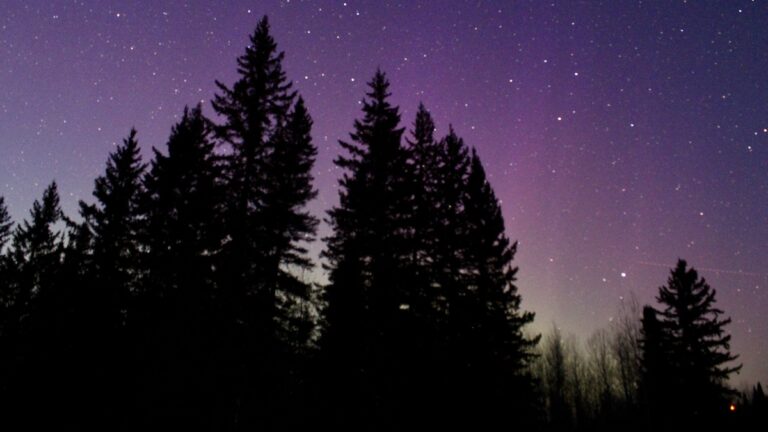
As we look out over the quiet woods of Northwestern Ontario, it is hard to imagine a massive industrial complex moving in. However, the Nuclear Waste Management Organization (NWMO) has released new details about the proposed Deep Geological Repository at the Revell Site. For those of us in Melgund Township, Borups Corners, and Dyment, this Impact Assessment is more than just paperwork—it is a blueprint for how our landscape might change for the next two centuries.
What We Are Learning
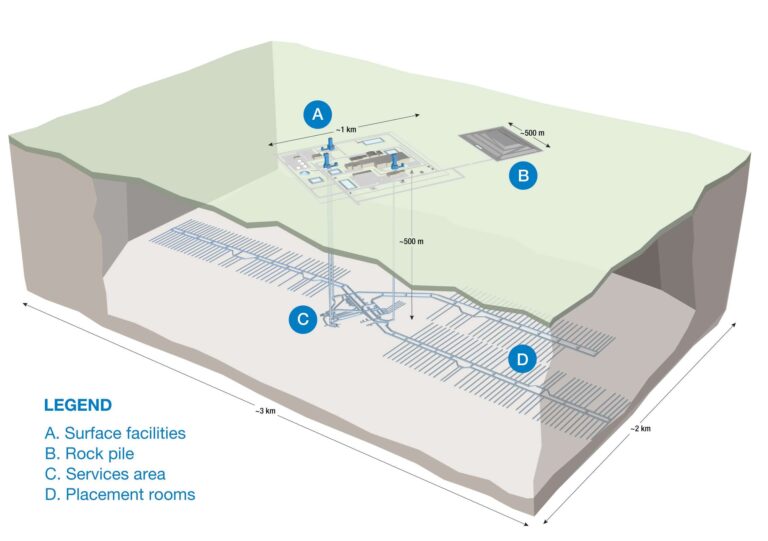
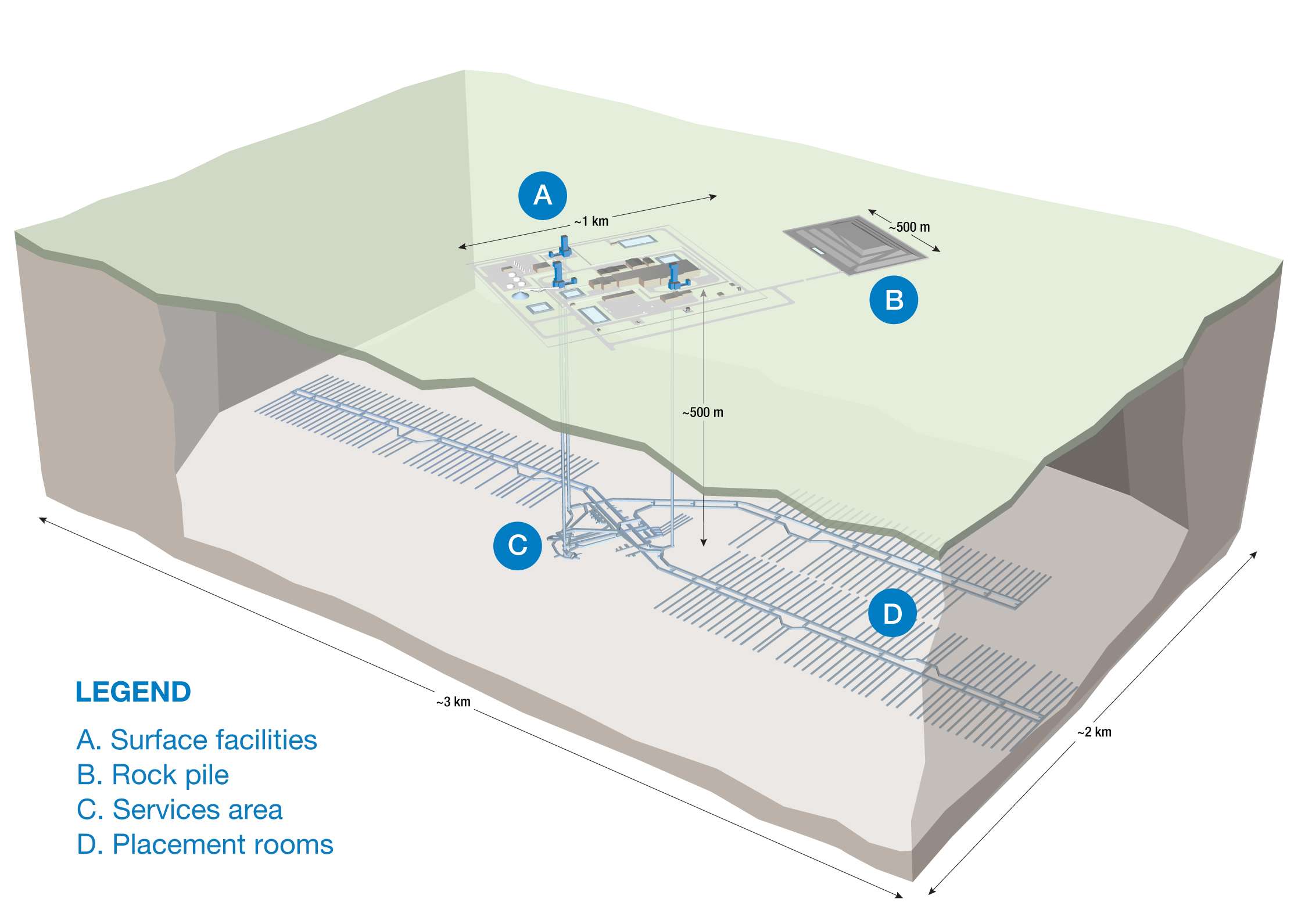
The NWMO is planning a 340-hectare surface facility designed to package and store used nuclear fuel deep underground. The project is broken into three main phases: a 10-year construction period, 60 years of active operations, and a 100-year ‘extended monitoring’ phase before the site is finally sealed. To keep everything safe, they are relying on a ‘multi-barrier’ system that includes the natural rock, bentonite clay, and specialized containers. The site will include a ‘Protected Area’ with high-security fencing, a rail spur for shipments, and areas for managing excavated rock and water.
The Reality Check
While the plans look polished on paper, there are some big questions we need to ask as neighbours.
- What is being promised: A ‘multi-barrier system’ that ensures long-term safety.
- What we need to verify: These are engineering hypotheses. We need to know how these materials will actually behave over thousands of years in our specific geological conditions.
- What is being promised: Collaborative engagement with host communities.
- What we need to verify: While the NWMO mentions Ignace and WLON, residents in Melgund Township, Dyment, and Borups Corners—who live less than 10km away—are often left out of the ‘host’ conversation.
The Path Forward
The report noted that the current design is ‘conceptual’ and subject to change; therefore, we are calling for a Design Evolution Framework. We cannot sign off on a plan that might grow or change significantly after the Impact Assessment is finished. Furthermore, the report mentions water management but lacks detail on where that water comes from or where it goes. The solution is a full, transparent water balance model that shows exactly how our local aquifers and lakes will be protected from radionuclides and chemicals.
Why It Matters Here
This isn’t just about science; it’s about our way of life. A 170-year project means our children and grandchildren will grow up with a major industrial site as their neighbour. We are looking at potential noise from a new rail spur, increased heavy traffic on our roads, and a permanent security zone in areas where many of us currently hunt, fish, and enjoy the silence of the bush. The transition to ‘institutional control’ after 170 years also leaves a massive question mark: who pays for the monitoring once the NWMO is gone?
Have Your Say
This affects our future. Submit your feedback on this specific issue via our Engage page to ensure the Impact Assessment Agency hears from our community.
The Melgund Integrated Nuclear Impact Assessment Project
The Impact Assessment Agency of Canada (IAAC) is reviewing the Nuclear Waste Management Organization’s (NWMO) proposed Deep Geological Repository (DGR) at the Revell Site, located near Ignace and Wabigoon Lake Ojibway Nation in Northwestern Ontario.
This major nuclear infrastructure project is undergoing a joint federal review by the IAAC and the Canadian Nuclear Safety Commission (CNSC) to evaluate environmental, health, social, and Indigenous rights impacts over its projected 160-year lifecycle.
Public Feedback Open: Comments on the Initial Project Description are accepted until February 4, 2026. Submissions help shape the formal impact assessment guidelines.
This short article and summary is based on an initial analysis of a proponent’s initial project description. It does not represent, any community the NWMO or the Government of Canada. Learn more at the Melgund Integrated Nuclear Impact Assessment Project project page.
About the Author