
Understanding the 160-Year Plan for Our Backyard
As we look out over the quiet woods of Northwestern Ontario, big changes are being discussed for the Revell Site. The Nuclear Waste Management Organization (NWMO) has released its Initial Project Description for a Deep Geological Repository (DGR) that would sit right in our backyard, triggering a major Impact Assessment that directly affects Melgund Township and our neighbours in Borups Corners and Dyment.
What We Are Learning
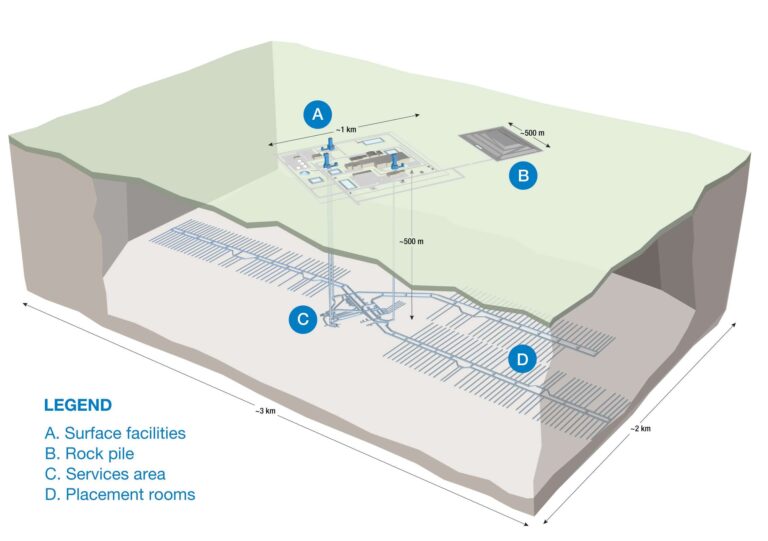
The plan involves burying 5.9 million bundles of used nuclear fuel 500 meters underground in the solid rock. This isn’t a quick fix; the project is expected to last 160 years, including 50 years of active operations and a century of monitoring. The NWMO presents this as a permanent solution to protect future generations from the burden of managing radioactive waste currently stored at reactor sites.
The Reality Check
What is being promised: A ‘consent-based’ siting process involving willing host communities like Ignace and Wabigoon Lake Ojibway Nation.
What we need to verify: While those communities have formal agreements, Melgund Township—which is actually closer to the Revell Site than the center of Ignace—is categorized only as the ‘interested public.’ We need to ensure our local voices carry the same weight as those further away, especially regarding the 160-year timeline.
The Path Forward
The report noted that Indigenous social, cultural, and health data are currently unrepresented in the baseline studies; therefore, we are calling for the full integration of Indigenous-led studies and traditional knowledge into the formal Impact Assessment before any final decisions are made. Additionally, the project acknowledges land-use changes due to ‘perception’ but lacks a plan to mitigate nuclear stigma. The report noted this gap; therefore, we are calling for a formal socio-economic study on nuclear stigma and a corresponding mitigation plan to protect our property values and local businesses.
Why It Matters Here
For those of us who hunt, fish, and enjoy the silence of Northwestern Ontario, this project changes our landscape forever. The NWMO uses a ‘graded approach’ to safety, which means the level of oversight is proportional to perceived risk. However, for residents in Borups Corners and Dyment, any risk to our groundwater or the safety of Highway 17 is significant. We need clear, measurable criteria for what ‘safe’ actually looks like over the next century.
Have Your Say
This affects our future. Submit your feedback on this specific issue via our Engage page to ensure the Impact Assessment Agency hears from our community.
The Melgund Integrated Nuclear Impact Assessment Project
The Impact Assessment Agency of Canada (IAAC) is reviewing the Nuclear Waste Management Organization’s (NWMO) proposed Deep Geological Repository (DGR) at the Revell Site, located near Ignace and Wabigoon Lake Ojibway Nation in Northwestern Ontario.
This major nuclear infrastructure project is undergoing a joint federal review by the IAAC and the Canadian Nuclear Safety Commission (CNSC) to evaluate environmental, health, social, and Indigenous rights impacts over its projected 160-year lifecycle.
Public Feedback Open: Comments on the Initial Project Description are accepted until February 4, 2026. Submissions help shape the formal impact assessment guidelines.
This short article and summary is based on an initial analysis of a proponent’s initial project description. It does not represent, any community the NWMO or the Government of Canada. Learn more at the Melgund Integrated Nuclear Impact Assessment Project project page.
About the Author