
Executive Summary
The Impact Assessment (IA) process serves as the primary regulatory mechanism to validate the long-term safety, social license, and environmental viability of the proposed Deep Geological Repository (DGR) at the Revell Site. Its importance lies in its mandate to evaluate cumulative effects over a multi-millennial timeframe before irreversible industrialization occurs. However, a forensic review of the Initial Project Description (IPD) and public submissions reveals profound systemic deficiencies in the current process. Stakeholders argue that the Nuclear Waste Management Organization (NWMO) has artificially narrowed the scope of the assessment by excluding the transportation of used nuclear fuel and segregating site characterization activities from the designated project. Furthermore, the definition of "willing host" has been challenged for excluding the unorganized territory of Melgund, which hosts the physical site, in favor of the distant Township of Ignace. These procedural gaps threaten the legitimacy of the regulatory review.
Detailed Analysis
1. Strategic Exclusion of Transportation (Project Splitting)
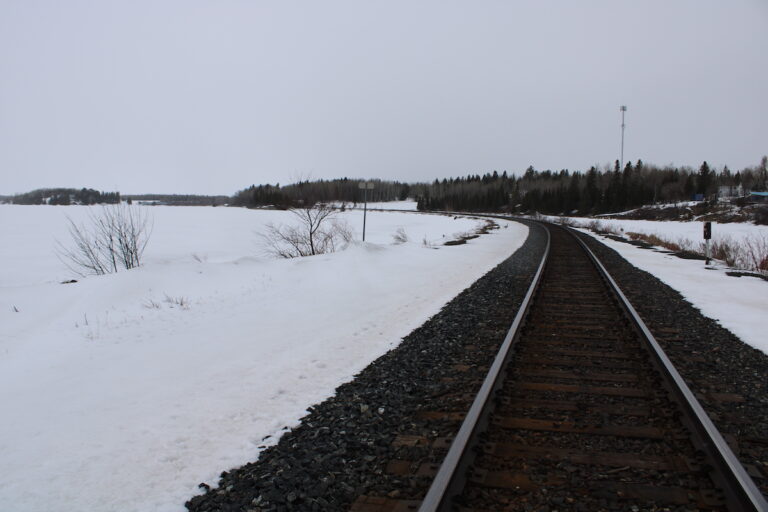
The most prevalent issue raised by commenters is the exclusion of off-site transportation from the Impact Assessment scope. The NWMO asserts that the transport of 5.9 million fuel bundles is regulated separately under the Nuclear Safety and Control Act (NSCA) and the Transportation of Dangerous Goods Act. However, stakeholders contend that the DGR cannot function without this logistical network, making transportation an incidental activity essential to the project.
- Public Evidence: The Grand Council Treaty #3 (GCT3) argues that excluding transportation violates the Impact Assessment Act (IAA) and ignores adverse effects on Indigenous peoples within transportation corridors [Ref: 660]. Residents along the Trans-Canada Highway (Highway 17) characterize the exclusion as "project splitting," noting that the risks of moving hazardous materials through unorganized territories with limited emergency response capabilities are integral to the project’s social license [Ref: 605, 585, 255].
- Technical Deficiencies: Our analysis confirms that the IPD limits transportation effects to "primary and secondary access roads within the Project site," effectively ignoring the 1,700 km transit corridor [Analysis: Executive Summary – Description of the Project]. This fragmentation prevents a cumulative assessment of risk for communities like Dyment and Borups Corners, which sit directly on the haul route.
2. Procedural Fairness and Timeline Insufficiency
The integrity of the IA process relies on meaningful public participation. However, the 30-day comment period allocated for the review of over 1,200 pages of technical documentation has been universally criticized as a functional barrier to entry.
- Public Evidence: Commenters describe the timeline as a "mockery of democratic engagement" and "patently unfair," particularly for volunteer-run groups and unorganized communities lacking municipal staff [Ref: 256, 116]. The Nishnawbe Aski Nation (NAN) asserts that the current process fails to facilitate Free, Prior, and Informed Consent (FPIC) due to these constraints [Ref: 485].
- Technical Deficiencies: The NWMO admits that baseline data for Indigenous populations is incomplete [Analysis: Section 15.6]. Proceeding with a short review period while acknowledging data gaps undermines the "risk-informed" nature of the assessment.
3. Jurisdictional Conflicts and the "Willing Host" Definition
The IA process is intended to harmonize federal, provincial, and Indigenous jurisdictions. However, the current framework prioritizes municipal agreements over Indigenous sovereignty and the rights of unorganized territories.
- Public Evidence: GCT3 asserts that the process ignores Manito Aki Inaakonigewin (MAI), the Nation’s traditional laws [Ref: 705]. Furthermore, the designation of Ignace (43 km away) as a host while excluding Melgund Township (10 km away) is viewed as "gerrymandering" consent. Residents of Melgund argue they are the de facto hosts bearing the physical risk without the decision-making power [Ref: 391, 549].
- Technical Deficiencies: The IPD relies on "confidential" hosting agreements with WLON and public agreements with Ignace, creating a transparency deficit. The analysis indicates that the "willingness" metrics for the unorganized communities of Dyment and Borups Corners are non-existent [Analysis: Enhanced Narrative – Site Selection].
Recommendations and Mandates
To rectify these deficiencies and ensure a robust Impact Assessment, we strongly recommend the following corrective measures:
- Scope Expansion: The Impact Assessment Agency of Canada (IAAC) should strongly recommend that the NWMO include the transportation of used nuclear fuel as a designated activity within the IA scope. This must include a cumulative risk assessment for the Highway 17 corridor through Melgund Township.
- Timeline Extension: We strongly recommend extending the public comment period to a minimum of 90 days to allow for independent technical review by Indigenous groups and unorganized community representatives.
- Recognition of Unorganized Territories: The proponent should strongly recommend the inclusion of the Local Services Board of Melgund as a primary stakeholder with standing equivalent to a "Host Community," ensuring they are party to socio-economic monitoring and mitigation agreements.
- Data Completion: We strongly recommend suspending the finalization of the Impact Statement guidelines until the admitted data gaps regarding Indigenous identity and on-reserve socio-economic baselines are filled via community-led studies.
Conclusion
The current Impact Assessment process is compromised by a strategic narrowing of scope and a failure to recognize the unique geopolitical reality of the Revell Site. By excluding transportation and marginalizing the unorganized communities of Melgund, the proponent has created a regulatory blind spot that ignores the project’s most immediate human receptors. Without significant structural changes to the assessment framework, the process risks failing to meet the standards of the Impact Assessment Act and the constitutional duty to consult.
About the Deep Geological Repository (DGR) for Canada’s Used Nuclear Fuel Project
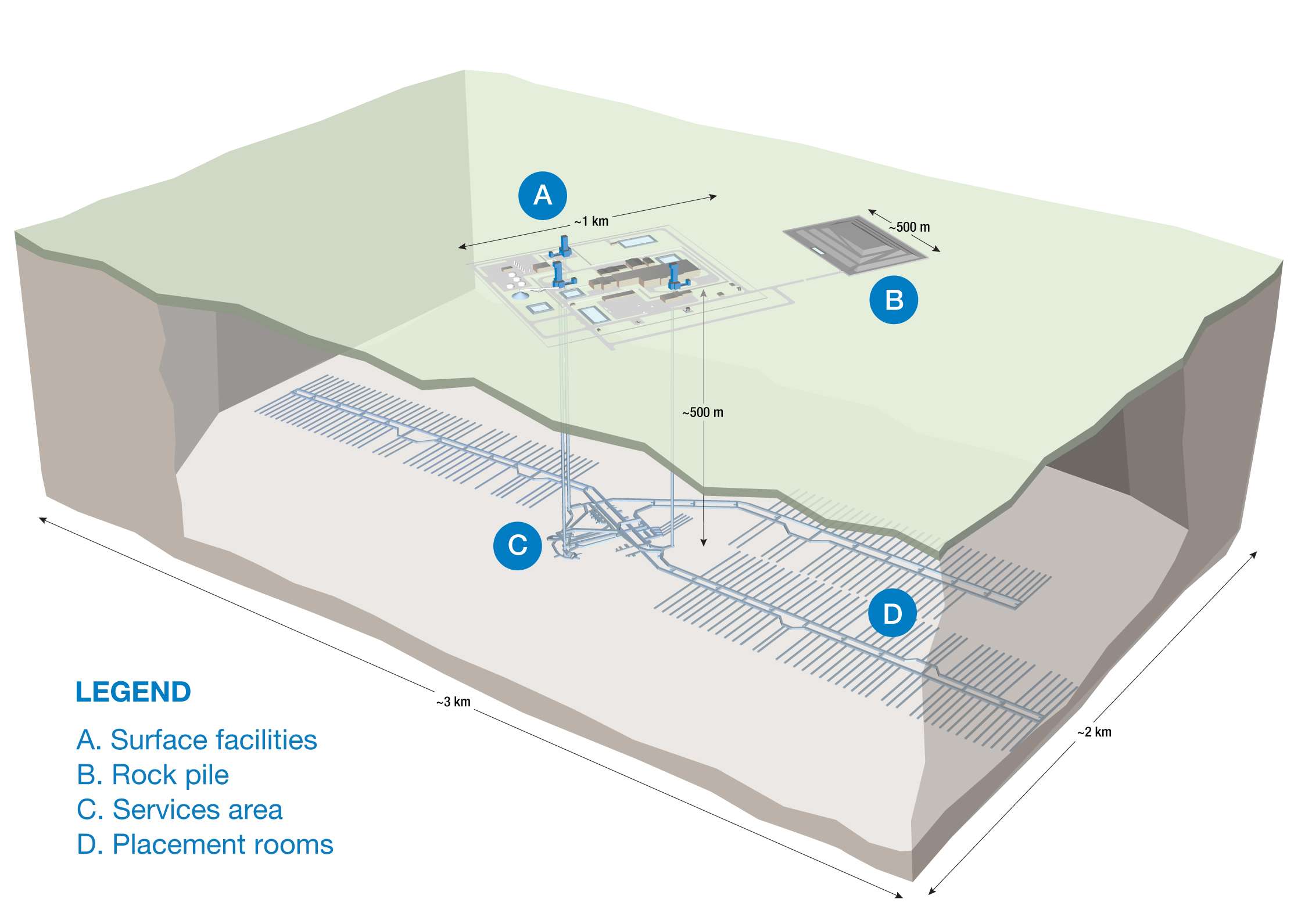
The Nuclear Waste Management Organization (the NWMO) is proposing a new underground deep geological repository system designed to safely contain and isolate used nuclear fuel. Wabigoon Lake Ojibway Nation (WLON) and the Township of Ignace have been selected as the host communities for the proposed project, which is located 21 kilometres southeast of the WLON and 43 kilometres northwest of the Town of Ignace, Ontario along Highway 17. As proposed, the Deep Geological Repository (DGR) for Canada’s Used Nuclear Fuel Project would provide permanent storage for approximately 5.9 million bundles of used nuclear fuel. The project is expected to span approximately 160 years, encompassing site preparation, construction, operation and closure monitoring. The project assessment is being conducted in collaboration with the Canadian Nuclear Safety Commission.
Learn more about the Integrated Impact Assessment process which is led by the Impact Assessment Agency of Canada and Canadian Nuclear Safety Commission.
- Read the Summary of Issues (February 16, 2026)
- Read the Summary of the Initial Project Description (January 5, 2026)
- Read the Initial Project Description (January 5, 2026)
- Learn More about the Melgund Integrated Nuclear Impact Assessment (MINIA) Project
- Learn More about the Nuclear Waste Management Organization (NWMO)
About the Author