Grand Council Treaty 3 Questions Oversight of Canada’s Nuclear Waste Facility
The Grand Council of the Anishinaabe Nation in Treaty #3 (GCT3) has raised serious concerns over the Impact Assessment Agency of Canada’s (IAAC) recent “Summary of Issues” (SOI) for the Nuclear Waste Management Organization’s (NWMO) proposed nuclear waste facility.
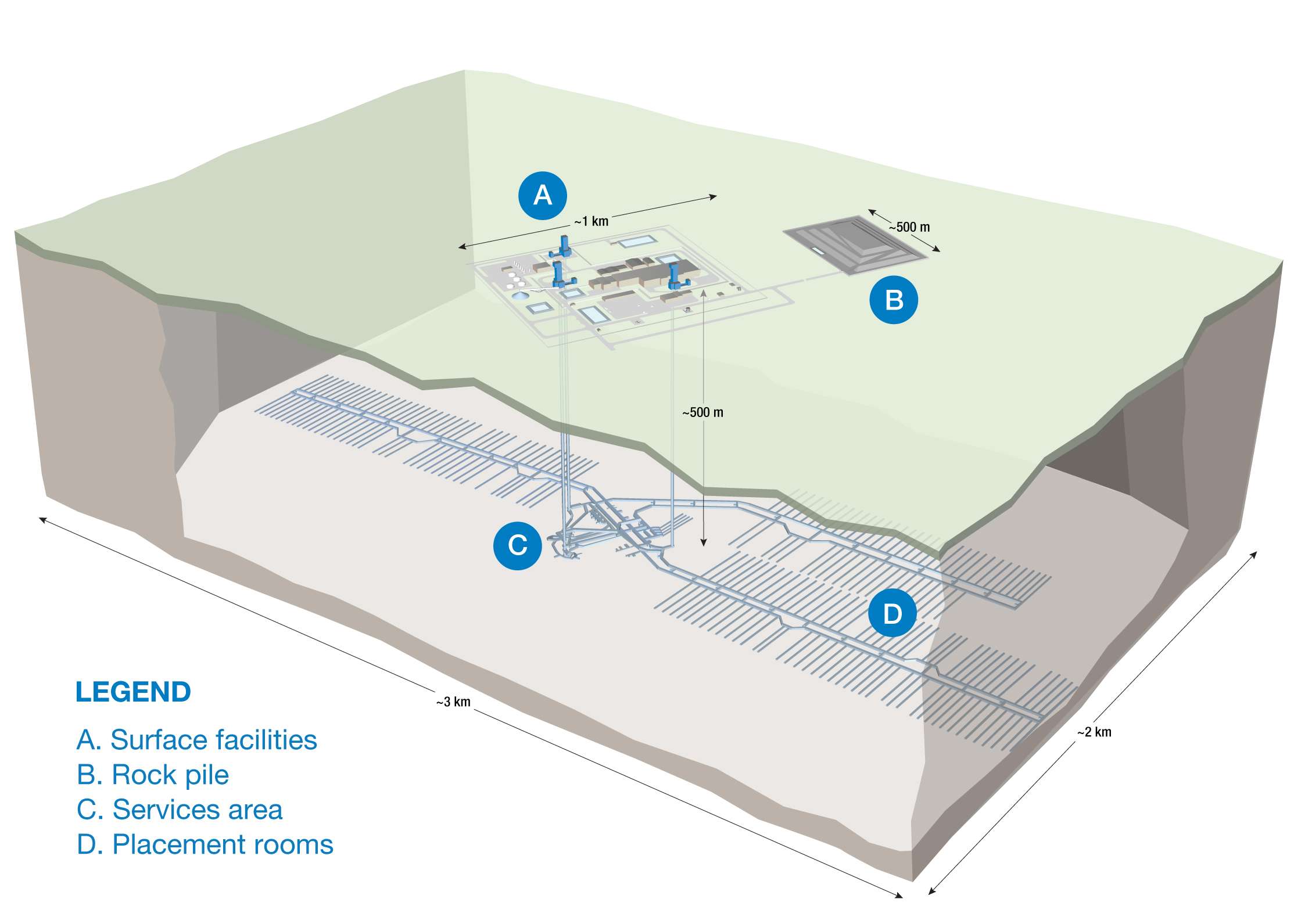
The project, planned within Treaty #3 territory, aims to store all of Canada’s high-level nuclear fuel for up to one million years — a duration that means decisions made today could have consequences far beyond any human lifespan.
GCT3 submitted detailed feedback on NWMO’s Initial Project Description (IPD) in early February, followed by a corrected submission. However, the IAAC’s SOI, released on February 23, 2026, fails to address key issues identified by the Nation, including legal authority, procedural fairness, and regulatory oversight.
Without properly acknowledging these concerns, the review process risks missing critical legal, social, and environmental impacts that could affect both Treaty #3 territory and the surrounding communities for generations.
Concerns Over Regulatory Review
A central critique is that NWMO has conducted site selection without independent regulatory review. The Nation notes that, although federal environmental assessments could have reviewed site selection as early as 2008, NWMO instead pursued a self-directed, internal process.
This creates serious gaps in oversight, leaving the most toxic materials in Canada’s history unexamined by independent regulators. The IAA now provides the first opportunity for outside scrutiny, but the SOI offers no clarity on whether and how these risks were considered. Without transparent evaluation, there is no guarantee that social, environmental, and technical factors were adequately addressed.
Ignace’s Role Questioned
The designation of the Township of Ignace as the project’s “host municipal community” has also drawn criticism. The IPD places the project more than 40 km outside the township’s boundaries, yet labels it as the host community without definition. GCT3 emphasizes that Ignace has no municipal authority or regulatory oversight over the site, and the SOI does not address this fundamental issue.
Mislabeling a municipality as a “host” in an area where it has no legal jurisdiction creates a false perception of local consent and accountability, leaving nearby Indigenous and non-Indigenous communities without proper avenues to influence decisions affecting their land and water.
Upholding Nation Laws
At a Special Chiefs Meeting on February 12 in Thunder Bay, Treaty #3 Chiefs reaffirmed GCT3’s mandate to ensure that Manito Aki Inaakonigewin, the Nation’s laws, are respected throughout the project’s review process. These laws govern land stewardship, governance, and consultation within Treaty #3 territory, and disregarding them risks both legal conflict and long-term harm to the environment and the Nation’s rights.
The Nation has circulated its detailed IPD comments to Treaty #3 Chiefs, the Territorial Planning Unit, and relevant NWMO and federal officials, and expects a substantive response addressing all procedural, legal, and environmental concerns.
GCT3 also notes that the IAAC SOI does not provide the transparency and accountability necessary to ensure that these concerns are meaningfully considered, leaving fundamental questions about the project’s safety, governance, and compliance unanswered.
Click here to read the full report.