
What Does the DGR Mean for Our Backyard?
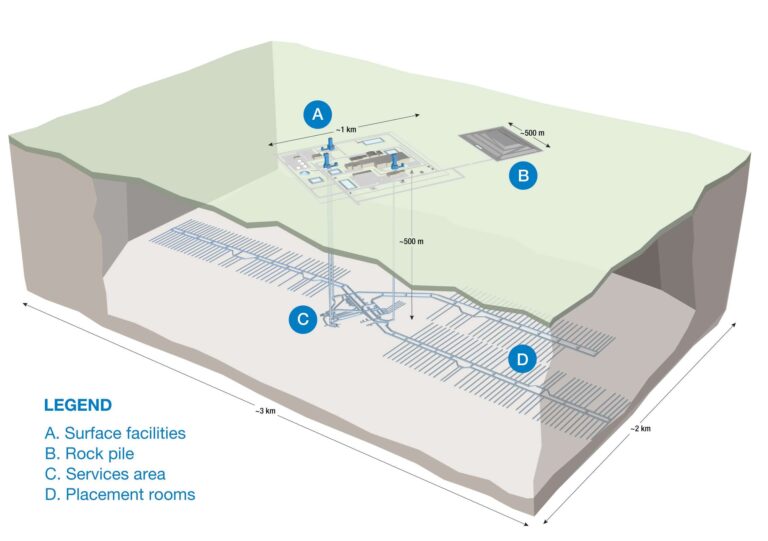
As we go about our days in Northwestern Ontario, a major project is being discussed that could change our landscape for generations. The Nuclear Waste Management Organization (NWMO) is moving forward with its proposal for the Revell Site, located right in the heart of our region. This Deep Geological Repository (DGR) is part of a national plan to store 5.9 million used nuclear fuel bundles underground. As part of the ongoing Impact Assessment, we want to make sure everyone in Melgund Township, Borups Corners, and Dyment understands what is being proposed and what questions still need answering.
What We Are Learning
The NWMO describes this project as a permanent solution for Canada’s nuclear waste. By burying the fuel deep in the rock at the Revell Site, they aim to move away from temporary storage at reactor sites. They see this as a key step for Canada’s ‘net-zero’ energy future and a way to provide long-term jobs and business opportunities right here in Northwestern Ontario. The plan is called ‘Adaptive Phased Management,’ which they say allows them to be inclusive and adjust as they go.
The Reality Check
What is being promised: A permanent, safe home for 5.9 million fuel bundles that creates local prosperity.
What we need to verify: While 5.9 million is the current number, we need to know if the Revell Site is being built to scale up if Canada builds more reactors. We also need to see the actual proof that jobs will go to locals rather than workers brought in from outside the region.
The Path Forward
The report noted that the ‘Adaptive Phased Management’ system doesn’t clearly define what would trigger a change or a pause in the project; therefore, we are calling for a detailed ‘Adaptive Management Framework’ that sets clear rules for when the community can say ‘stop’ or ‘adjust.’ Additionally, the report found that claims of local economic benefits aren’t yet backed by a specific Northwestern Ontario labor study; therefore, we are requesting a full socio-economic assessment. This is the only way to ensure our roads, housing, and emergency services in Melgund Township aren’t overwhelmed by the sudden influx of a massive construction project.
Why It Matters Here
For those of us in Dyment and Borups Corners, the Revell Site isn’t just a dot on a map—it’s our home. We value our quiet nights, our hunting grounds, and our clean water. A project of this scale brings a ‘stigma effect’ that could change property values and the very feel of our community. We need to know that ‘inclusive’ engagement means our Traditional Ecological Knowledge and our local concerns about traffic and safety actually have the power to change the project’s outcome.
Have Your Say
This affects our future. Submit your feedback on this specific issue via our Engage page to ensure the Impact Assessment Agency hears from our community.
The Melgund Integrated Nuclear Impact Assessment Project
The Impact Assessment Agency of Canada (IAAC) is reviewing the Nuclear Waste Management Organization’s (NWMO) proposed Deep Geological Repository (DGR) at the Revell Site, located near Ignace and Wabigoon Lake Ojibway Nation in Northwestern Ontario.
This major nuclear infrastructure project is undergoing a joint federal review by the IAAC and the Canadian Nuclear Safety Commission (CNSC) to evaluate environmental, health, social, and Indigenous rights impacts over its projected 160-year lifecycle.
Public Feedback Open: Comments on the Initial Project Description are accepted until February 4, 2026. Submissions help shape the formal impact assessment guidelines.
This short article and summary is based on an initial analysis of a proponent’s initial project description. It does not represent, any community the NWMO or the Government of Canada. Learn more at the Melgund Integrated Nuclear Impact Assessment Project project page.
About the Author