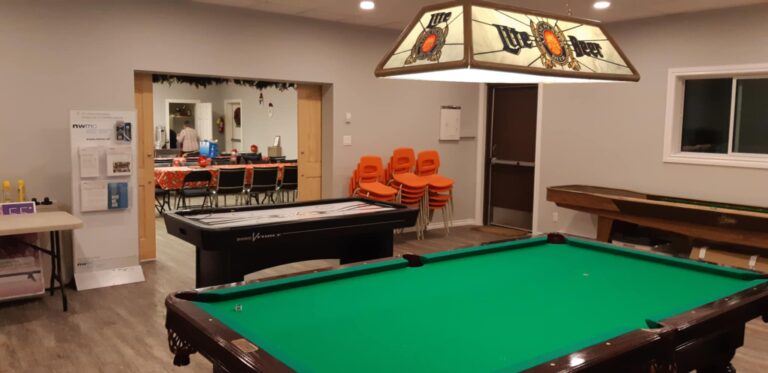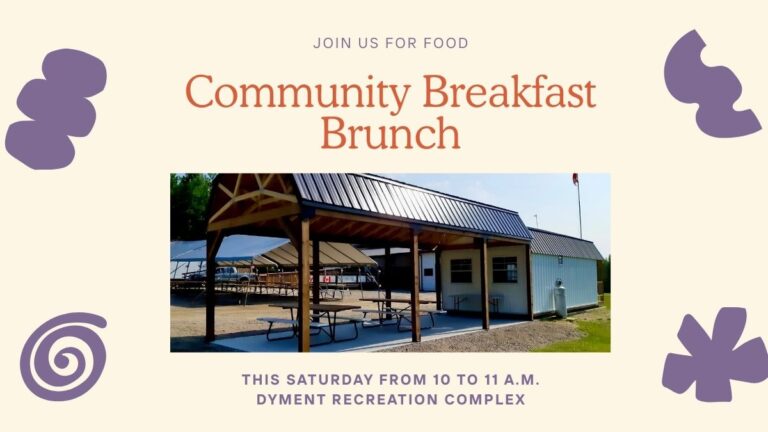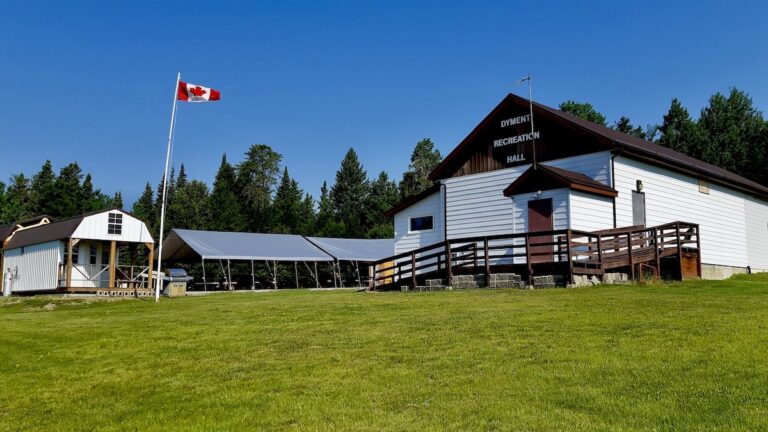

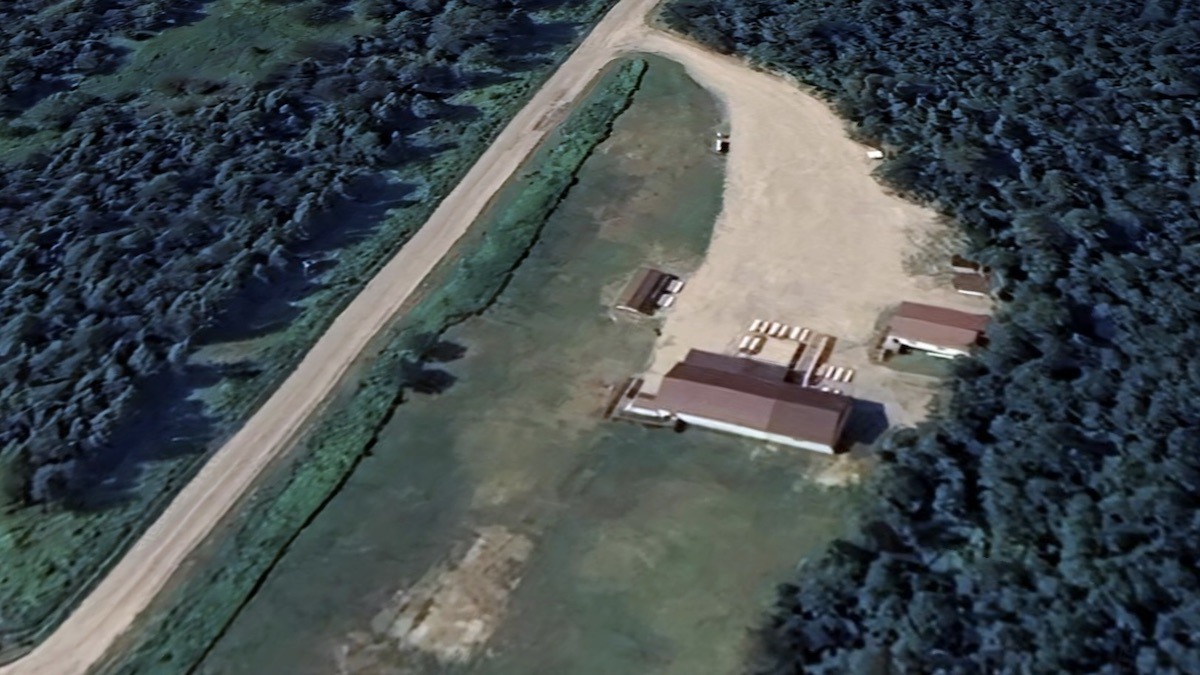
The Dyment Recreation Complex features a spacious, unused park and open greenspace designed to support a wide range of outdoor activities and community gatherings. This versatile natural area provides a welcoming environment for residents of all ages to enjoy leisure, exercise, and quiet relaxation.
A Vision for the Dyment Recreation Complex
A community garden is far more than a simple plot for cultivation; it is an example of dynamic community recreation programs designed to activate public spaces through purposeful, hands-on engagement. Transitioning unused park and green spaces to an active “outdoor classroom,” the community garden will provide a structured venue where local residents can improve their physical health, reduce social isolation, and gain tangible skills.
As a formal recreation initiative, it shifts the focus from the act of growing food to the act of growing community, offering a low-barrier entry point for people of all ages to participate in a shared, healthy activity that promotes both individual wellbeing and collective pride.
As a core recreation offering, this program integrates with broader health food security and community wellness strategies, ensuring it serves as a reliable hub for sustainable local activities. Unlike traditional sports that may require expensive equipment or specialized facilities, a community garden utilizes the existing natural landscape to host workshops, volunteer sessions, and self-guided interactions. It serves as a vital recreational “must-have” that encourages regular physical activity and stewardship, proving that the most effective community programming often arises from the simple, sustainable use of the land and resources already available to us.
Food Security in Northwestern Ontario
Household food insecurity is a growing reality for northwestern Ontario residents, now affecting more than 1 in 5 households across the region.
Food security in Northwestern Ontario is a complex challenge driven by high transportation costs, a short growing season, and the systemic “leakage” of economic resources out of the region. Research indicates that households in Northern Ontario face significantly higher food costs compared to southern regions, with some remote communities paying nearly double for basic perishables.
This disparity is exacerbated by a reliance on long-distance supply chains that are vulnerable to climate-related disruptions and fuel price volatility. Strengthening local production and processing is essential to reducing this dependency and ensuring that high-quality, culturally appropriate food remains accessible to all residents, regardless of their proximity to major urban centers.
Addressing these gaps requires a shift toward community-led agricultural initiatives and the protection of local food assets. The Northwestern Ontario Health Unit highlights that while the region possesses the land and the will for increased self-sufficiency, there is a critical need for infrastructure that supports small-scale producers and community-sharing networks.
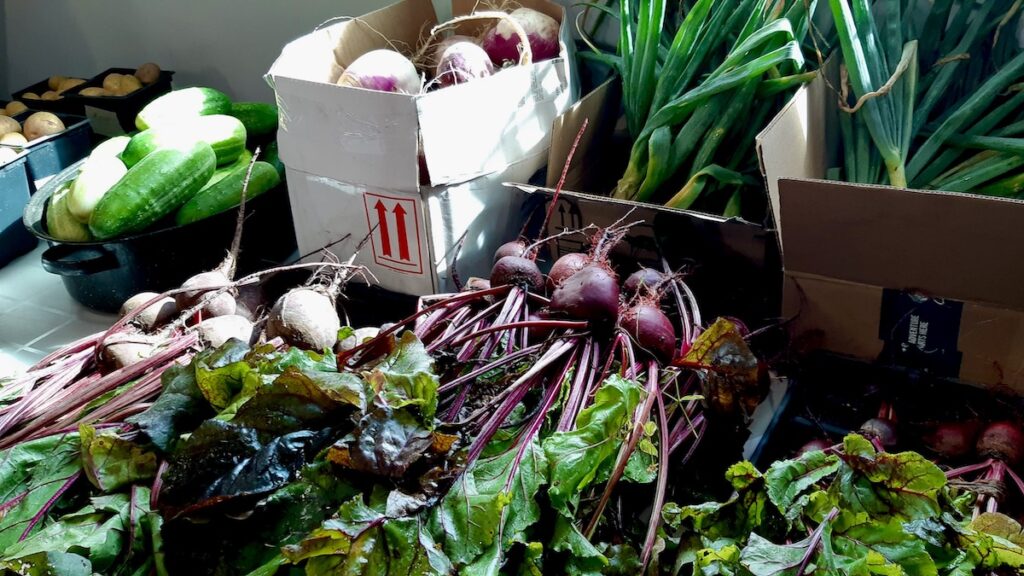
Recreation programs that integrate food production into public spaces—such as community gardens and “edible landscapes”—act as vital buffers against food insecurity by providing direct access to fresh produce and fostering traditional land-based skills. By localized nutrient cycles and leveraging underutilized municipal resources, communities in the North can build a more resilient food system that promotes both public health and regional economic stability.
Connecting People with Nature
The Dyment Recreation Complex Park and Greenspace is ideally suited for outdoor recreation programming that bridges the gap between daily life and the natural world. In establishing a community garden, the Local Services Board of Melgund directly aligns with Goal 3 of the Framework for Recreation in Canada, which seeks to help people connect to nature through active participation. This garden serves as a “natural space” that provides accessible signage and educational opportunities for all ages, fostering a sense of stewardship.
As a community recreation program, the garden functions as a low-cost initiative that invites self-guided interaction with the environment, allowing residents to learn Indigenous land-based perspectives and participate in pollinator conservation. By promoting the retention of this natural area, the garden ensures that the greenspace is not just a passive landscape but an active site for health and wellbeing.
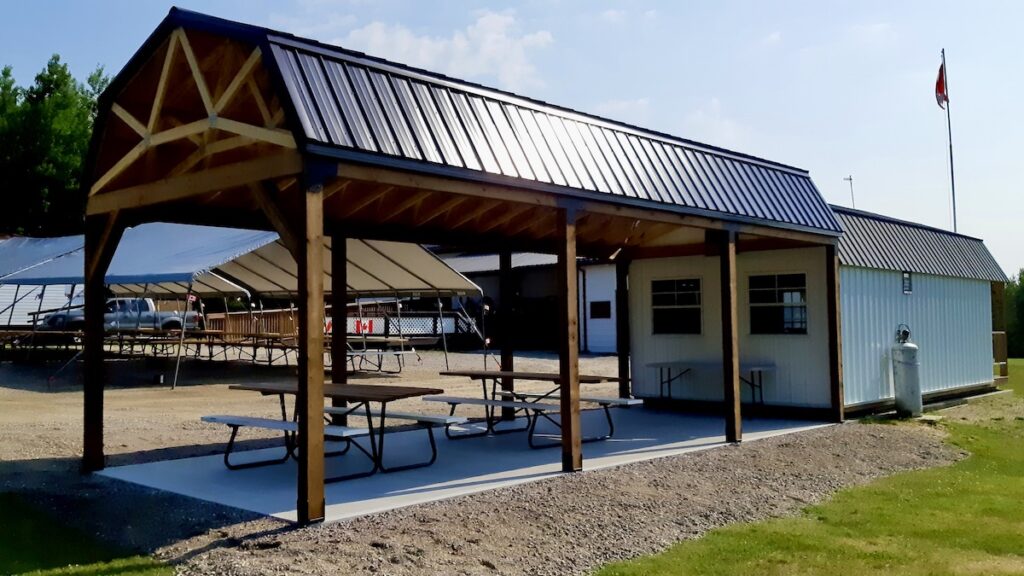
Infrastructure and Rural Design
In Northwestern Ontario, infrastructure and rural design focus on repurposing existing local assets to overcome the high costs and logistical barriers of the region’s geographic isolation. Transforming underutilized spaces and materials into multifunctional community recreation hubs, remote townships create “edible infrastructure” that provides essential services without the need for expensive new construction or southern supply chains.
In Northwestern Ontario, recreation infrastructure remains a “must-have” for a high quality of life. The proposed community garden at the Dyment Complex is a critical piece of infrastructure that provides vital amenities exactly where people live, reducing the need to travel for access to nature.
As an innovative approach to land use, the garden retrofits existing and under-utilized park and green space, acting as a recreation and public health asset. As a recreation program the garden can be viewed as “critical recreation infrastructure,” vital to public wellbeing. It represents a necessary investment in the park’s long-term utility, ensuring that as the local population grows, our “must-have” infrastructure keeps pace with community needs.
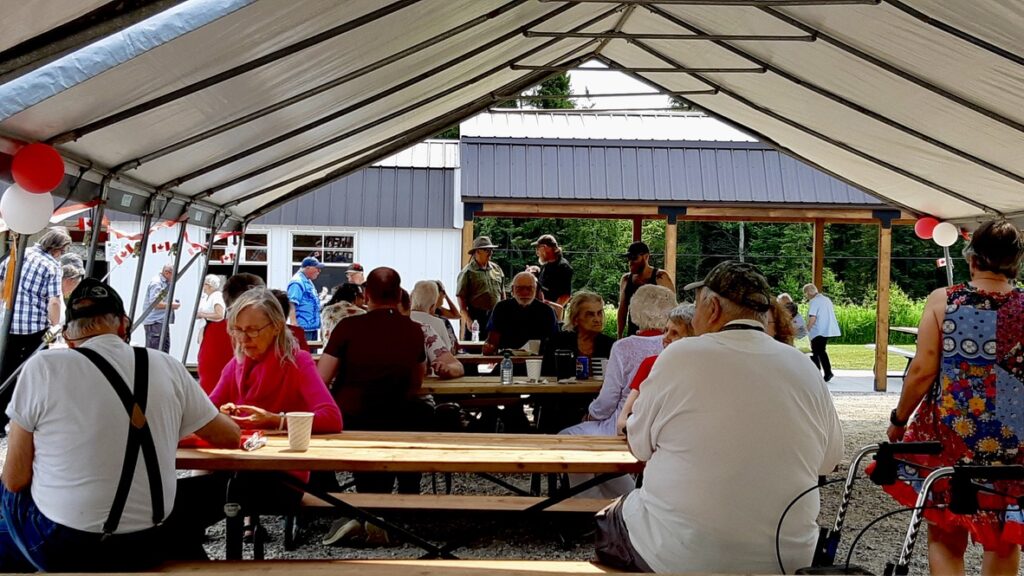
Placemaking and Community Activation
In a Northwestern Ontario context, placemaking is the process of reclaiming and activating under-utilized local public spaces to foster community pride and social connection. It involves residents taking the lead to transform “empty” spaces and dormant assets into active destinations—like turning our quiet greenspace into a vibrant community garden—ensuring that the township remains a destination for gathering rather than just a place to pass by on the highway.
Placemaking involves the intentional shaping of public spaces to strengthen the bond between people and their environments. The community garden is a premier example of placemaking, as it empowers local “placemakers”—from volunteers to hobbyist gardeners—to initiate impactful changes on public land. By animating the Dyment Greenspace with a small community garden, the recreation sector shifts from being a mere provider of facilities to an active supporter of public initiatives.
This program fosters social interaction and physical activity at the neighborhood level, creating a versatile venue for community connection. Through the strategic integration of park and green space into recreation complex programming, the community facilitates programming that enhances the overall social fabric of the community.
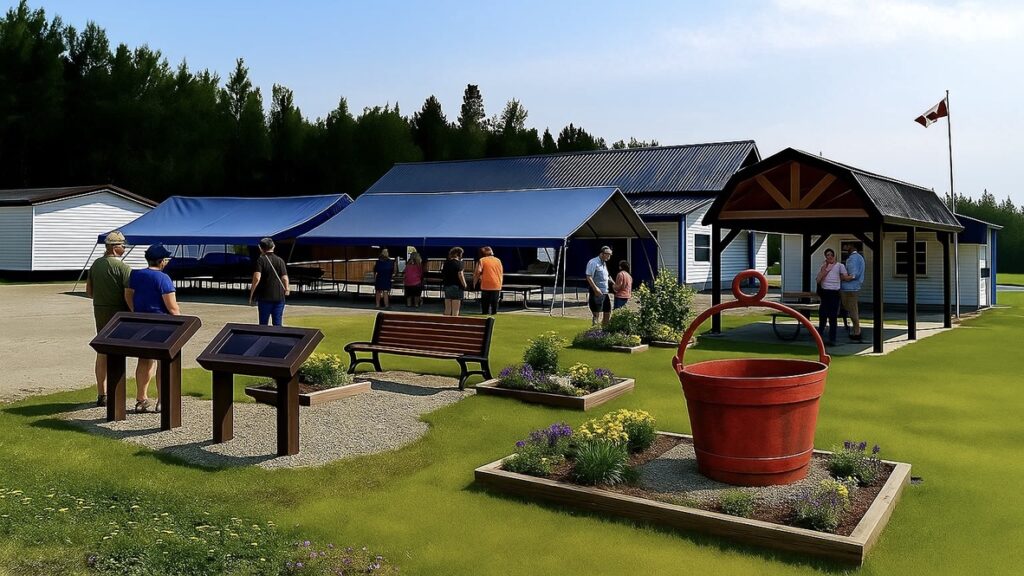
Nature Trails and Parks: Ensuring Equity and Access
While Melgund Township is defined by an abundance of world-class nature, trails, and park spaces, there is a glaring lack of structured programming to activate and sustain these assets for the local community. Without intentional recreation programming, these vast and incredible greenspaces remain passive backdrops rather than active sites for health, social connection, and skill-building.
The community garden project addresses this gap by providing a purposeful, high-leverage gateway that finally utilizes our natural surroundings as a functional venue for community recreation.
The community garden program provides a welcoming, unstructured, and inclusive environment for groups that may have felt marginalized in traditional recreation settings. In maintaining and enhancing this space, the program nurtures enthusiasm for the outdoors while serving as a public health asset that builds community resilience.
The garden acts as a safe, shared venue where people of all backgrounds can engage in environmental stewardship and climate-related learning, ensuring that the benefits of our parks are accessible to everyone.
Upcycled Masonry Infrastructure & Cost Efficiency
A central component of this program’s feasibility is the creative reclamation of existing on-site materials. The Recreation Hall currently stores a large, unused supply of decorative concrete masonry blocks beneath the front wheelchair ramp.
The long-term storage of these decorative masonry units beneath the wheelchair ramp is a clear example of wasted community resources that can be reclaimed to provide immediate value to recreation programming and a community garden project.
These blocks—ideally suited for garden walls and tiered landscaping—represent a significant cost-saving opportunity that is currently being wasted. In repurposing these materials to build out the community garden beds, the program achieves a high-end, professionally landscaped look for zero material cost.
This “reclaimed” infrastructure can be used to create permanent, durable beds that beautifully complement the aesthetic of the CookShack and the newly constructed Pavilion, transforming a storage problem into a community asset. It is also a resource that comes at zero cost as the community is presently in a deficit situation.
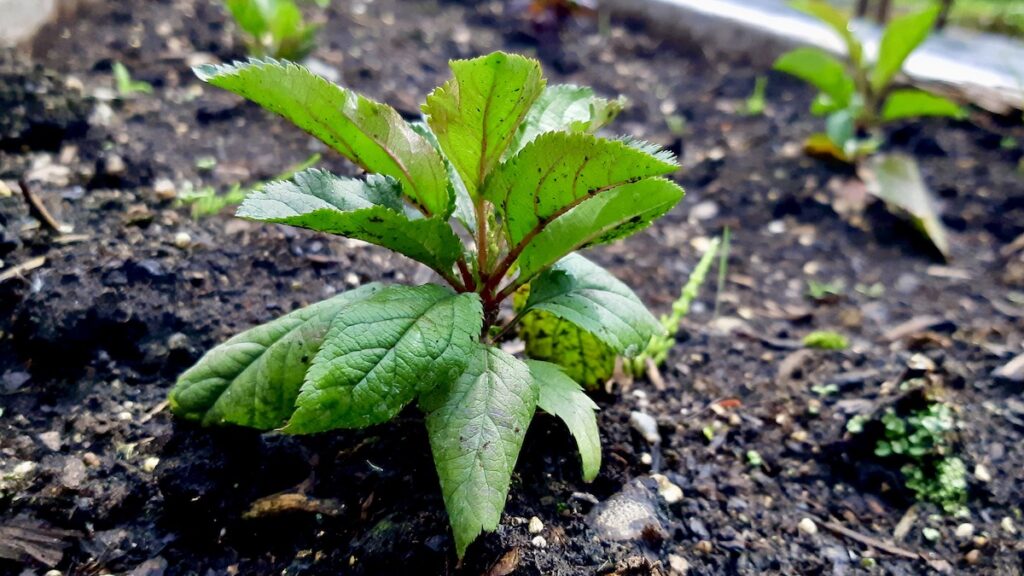
Components
Building on this foundation, this year’s program will include recreational community gardening activities and social events designed for engaging, hands-on experiences. These components combine outdoor leisure with practical skills development to strengthen local food security and social connectedness through active participation.
Related Programs and Research
This program builds on established research highlighting how recreational and community-based agricultural initiatives serve as effective vehicles for fostering both social cohesion and long-term food sovereignty. Expanding upon proven participatory food security research and pedagogical frameworks, the initiative elevates traditional skills development into a scalable model that reinforces the vital link between community engagement and sustainable food systems.
- Towards a Framework for Northern Food Systems Innovation
- Relationship Development and Engagement with the Minneapolis College of Art and Design and University of Minnesota Duluth
- Relationship Development and Engagement Activities with the University of the Arctic
- Food Preservation Training and Curriculum Development
- Melgund: Come Eat With Us Cookbook
- The Art of Canning and Creative Entrepreneurship
Support our Recreational Community Garden Program
Would you like to support this program? Contact the Local Services Board of Melgund at melgundlsb@gmail.com for more information!
About the Author