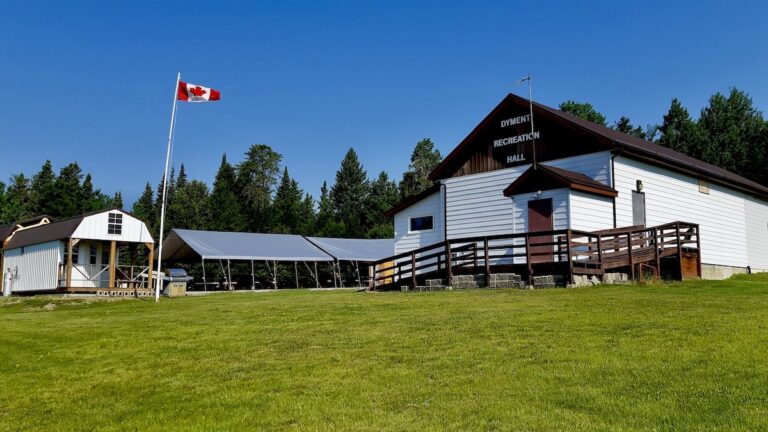


These resilient seedlings, nurtured at the Art Borups Corners Land Lab, are prepared for their spring transplant. Their local lineage ensures they will thrive as a permanent, edible addition to the Dyment Recreation Complex.
From Land Lab to Community Legacy
Vision and Creative Foundation
The establishment of a community apple orchard at the Dyment Recreation Complex is a project that prioritizes the “poetry of growth” over complex engineering.
This initiative centers on the transplantation of four hardy apple pippins that were successfully started during the 2025 Art Borups Corners Land Lab program. This project builds on pilot participatory research seeded from 2023-2025 with funding from Manitoba Agriculture, Agriculture Canada and the Sustainable Canadian Agricultural Partnership.
Seeds for this project were donated by Jack Robinson and represent a second generation of a tree he has carefully nurtured. The saplings are the living results of last year’s creative experimentation, having been nurtured from their first sprout to a stage where they are now resilient enough for the open landscape. Moving these four trees into a public space in April 2026, we are closing the loop on a year-long journey of growth, turning a lab-based success into a permanent community gift.
This project demonstrates that meaningful innovation requires very little heavy lifting—only the vision to see a future harvest in a handful of year-old saplings. These saplings will need about six more years of growth before they are expected to bear fruit.
Artistic Integration with Existing Spaces
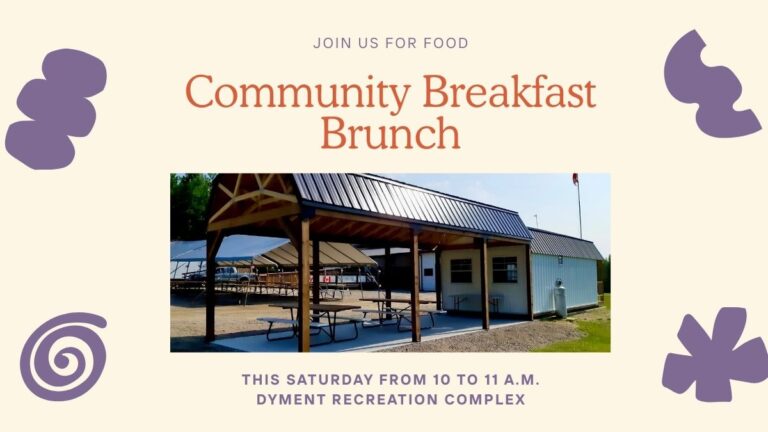
The project is designed to be low-impact and high-resonance, integrating seamlessly with the existing park infrastructure. By choosing a small, deliberate footprint near the Cook Shack and Pavilion, we are adding a layer of “edible landscaping” to the park’s social heart.
The goal is for these four trees to feel like a natural extension of the greenspace, providing a touch of seasonal color and eventual fruit for park-goers without requiring any major structural changes or invasive construction. This is about enhancing the beauty of the Dyment Complex through a “light-touch” intervention that respects the existing flow of the recreational area.
Simple, Natural Infrastructure
The physical requirements for this installation are intentionally minimal, utilizing basic materials to create a rustic, intentional aesthetic.
To protect the pippins as they adjust to their new soil, we will create small, low-profile wooden borders for each tree. Using 2×4’s or locally sourced logs, these frames act as a simple boundary, holding a small base of gravel for drainage and a mound of rich topsoil to nourish the transplant.
To complete the installation, we will surround the saplings with local berries and hardy native plants. This creates a self-sustaining, low-maintenance “micro-ecosystem” that looks like a curated piece of the natural landscape, requiring almost no effort beyond the initial creative placement.
Implementation Phases: Starting April 2026
The transition from the Land Lab to the Dyment Recreation Greenspace is a straightforward process of relocation and settling:
- Mapping the Placement (Early April): Selecting the four perfect spots near the Pavilion that allow the trees to breathe and grow without encroaching on the recreational use of the CookShack.
- Constructing the Frames: Laying down the logs or 2x4s to create a simple, grounded square for each of the four trees.
- Preparing the Bed: Adding a layer of gravel for drainage followed by fresh soil, creating a nutrient-rich “welcome mat” for the incoming saplings.
- The Spring Transplant: Carefully moving the four 2025 pippin saplings from the Art Borups Corners Land Lab and setting them into their new permanent home.
- The Finishing Touch: Planting the low-maintenance local berries around the base to provide immediate ground cover and aesthetic completion, ensuring the site looks finished and intentional from day one.
The Power of Imaginative Simplicity
This orchard is a testament to the idea that the best projects are often the simplest ones. By taking four trees that were started with care last year and placing them with intention this year, we are creating a legacy that will grow alongside the community. It is a “set it and forget it” installation that relies on the natural resilience of the pippins and the original creativity of the Land Lab. This small-scale orchard proves that with a bit of imagination and four healthy saplings, we can transform a simple greenspace into a landmark of northern growth and community spirit.
Related Components
Building on this foundation, this year’s program will include recreational community gardening activities and social events designed for engaging, hands-on experiences. These components combine outdoor leisure with practical skills development to strengthen local food security and social connectedness through active participation.
Related Programs and Research
This program builds on established research highlighting how recreational and community-based agricultural initiatives serve as effective vehicles for fostering both social cohesion and long-term food sovereignty. Expanding upon proven participatory food security research and pedagogical frameworks, the initiative elevates traditional skills development into a scalable model that reinforces the vital link between community engagement and sustainable food systems.
- Towards a Framework for Northern Food Systems Innovation
- Relationship Development and Engagement with the Minneapolis College of Art and Design and University of Minnesota Duluth
- Relationship Development and Engagement Activities with the University of the Arctic
- Food Preservation Training and Curriculum Development
- Melgund: Come Eat With Us Cookbook
- The Art of Canning and Creative Entrepreneurship
Support our Recreational Community Garden Program
Would you like to support this program? Contact the Local Services Board of Melgund at melgundlsb@gmail.com for more information!
About the Author