
Keeping the Peace in the Boreal Forest
For those of us living in Melgund Township, Borups Corners, and Dyment, the silence of the bush isn’t just a luxury; it is a way of life. Whether you are out checking a trapline or just enjoying a coffee on the porch, the quiet of Northwestern Ontario is a defining feature of our home. However, the proposed Revell Site for the Deep Geological Repository (DGR) brings with it the promise of heavy construction, blasting, and 24-hour operations. We are digging into the latest Impact Assessment documents to understand how the Nuclear Waste Management Organization (NWMO) plans to manage the noise, vibration, and light that comes with such a massive project.
What We Are Learning
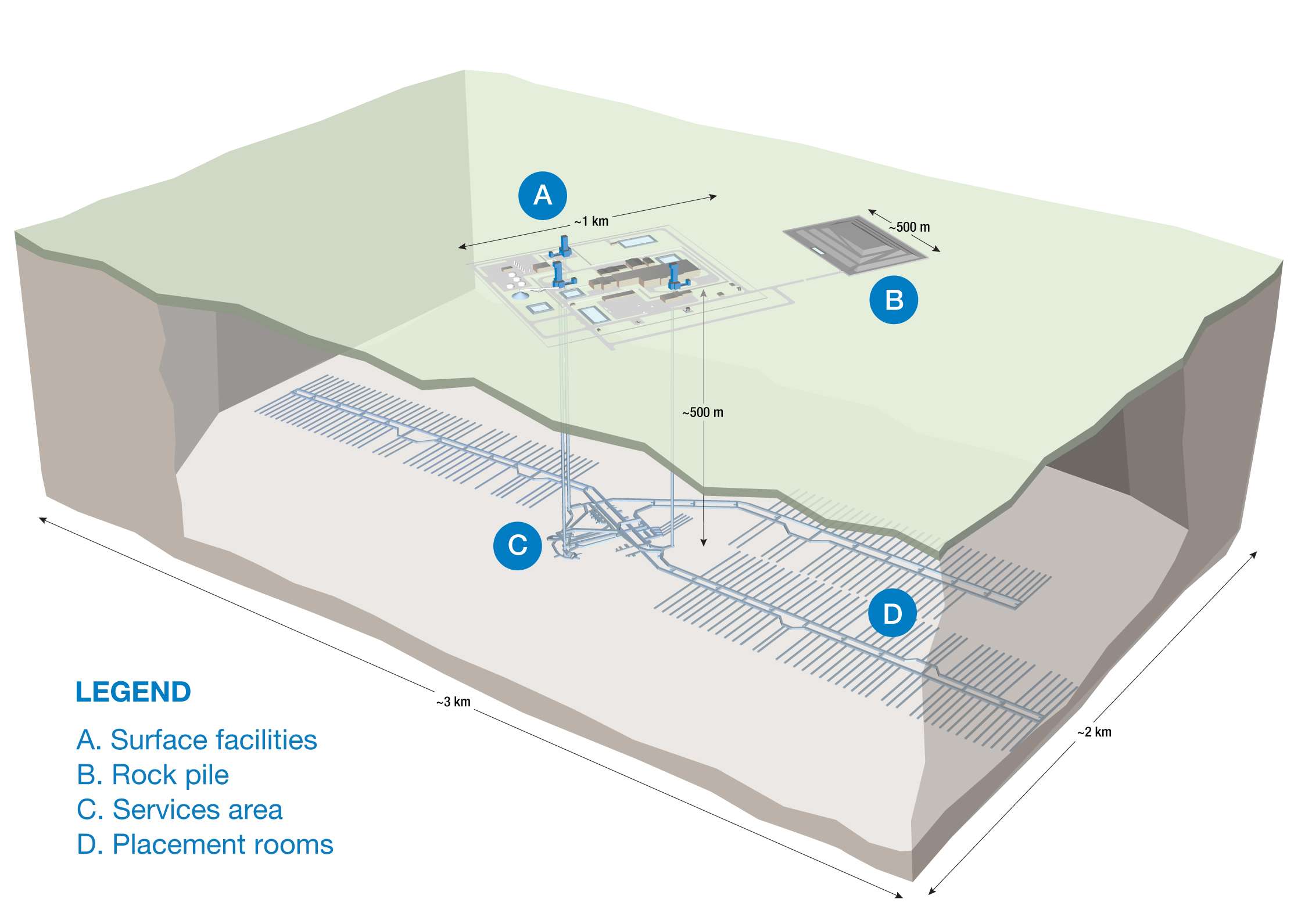
The NWMO acknowledges that building the DGR will be a noisy affair. The initial project description outlines activities like land clearing, rock blasting for underground tunnels, and the construction of new rail spurs. They also note that the facility will require lighting for safety and operations, which will introduce new light sources into our dark skies.
In their report, the NWMO suggests that because the site is roughly 10km from the nearest community and 12km from the nearest Wabigoon Lake Ojibway Nation resident, the disruption will be minimal. They plan to use standard industry methods—like dampening equipment and using setbacks—to keep things quiet. Their current assessment labels the risk of disturbance as “negligible,” meaning they do not expect it to significantly bother us or the environment.
The Reality Check
While the promise of a quiet operation is reassuring, we need to look at how they arrived at that conclusion. Here is the breakdown of what is being promised versus what we still need to verify:
- The Claim: The NWMO states with “high confidence” that noise, vibration, and light risks are negligible because of the remote location.
- The Evidence: The report admits that “Noise, vibration, and light modelling have not yet been completed for the Project.” essentially, the conclusion has been drawn before the specific math has been done.
The Path Forward
This brings us to a critical gap in the current assessment. The report has labeled the risk as “negligible” without the site-specific data to back it up. Relying on distance alone doesn’t account for how sound travels across our specific topography, especially across water or frozen ground in winter.
The Solution: We are calling for the NWMO to prioritize and release the preliminary noise, vibration, and light modelling before finalizing the risk screening. Furthermore, the definition of who is affected needs to change. Currently, they look at permanent residents in towns. We need the assessment to include “sensitive receptors” that matter to us: seasonal camps, traditional hunting grounds, and active traplines within that 10km buffer. We cannot accept a “negligible” rating until the data proves that our land use won’t be disrupted.
Why It Matters Here
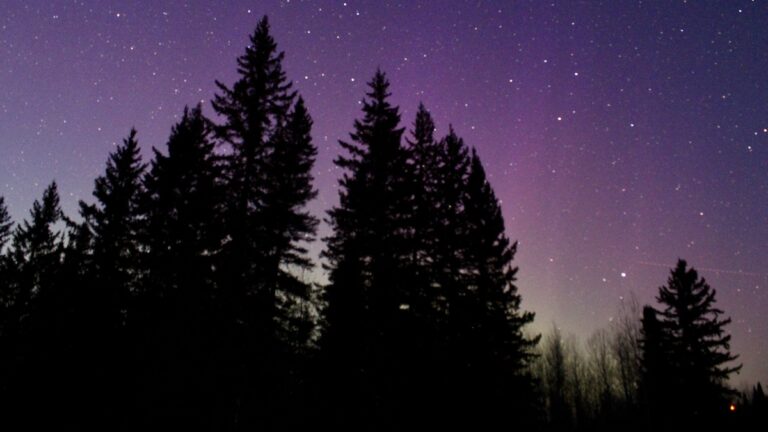
This isn’t just about whether you can hear a truck reversing from your driveway. In Northwestern Ontario, vibration and light affect the wildlife we depend on. If the Revell Site becomes a hub of noise and light, it could alter the movement of moose and deer or disturb fish habitats in nearby watercourses. For the residents of Melgund Township, it is also about the preservation of our dark skies and the deep silence that draws people to live here in the first place.
Have Your Say
This affects our future. Submit your feedback on this specific issue via our Engage page to ensure the Impact Assessment Agency hears from our community.
The Melgund Integrated Nuclear Impact Assessment Project
The Impact Assessment Agency of Canada (IAAC) is reviewing the Nuclear Waste Management Organization’s (NWMO) proposed Deep Geological Repository (DGR) at the Revell Site, located near Ignace and Wabigoon Lake Ojibway Nation in Northwestern Ontario.
This major nuclear infrastructure project is undergoing a joint federal review by the IAAC and the Canadian Nuclear Safety Commission (CNSC) to evaluate environmental, health, social, and Indigenous rights impacts over its projected 160-year lifecycle.
Public Feedback Open: Comments on the Initial Project Description are accepted until February 4, 2026. Submissions help shape the formal impact assessment guidelines.
This short article and summary is based on an initial analysis of a proponent’s initial project description. It does not represent, any community the NWMO or the Government of Canada. Learn more at the Melgund Integrated Nuclear Impact Assessment Project project page.
About the Author