Understanding How the DGR Affects Our Culture and Cost of Living
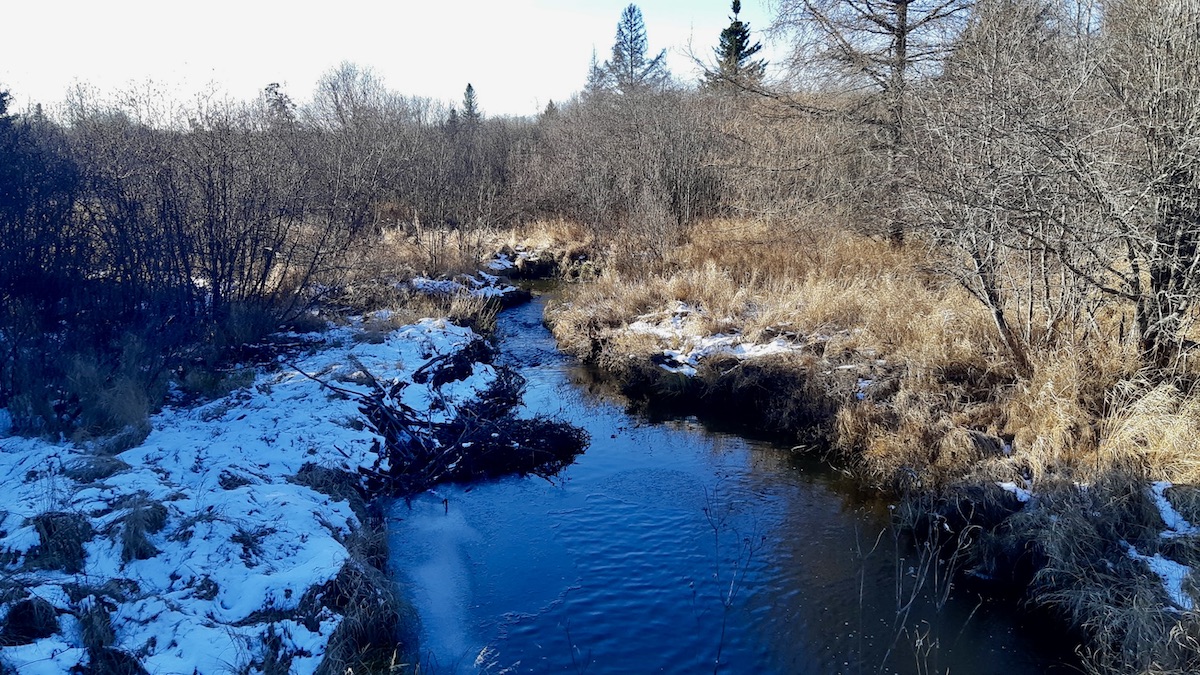
As we look out our windows here in Melgund Township and Borups Corners, the quiet beauty of Northwestern Ontario is something we never take for granted. However, with the Nuclear Waste Management Organization (NWMO) moving forward with the Revell Site selection process, many of us are asking: how will this massive infrastructure project change the fabric of our daily lives? The latest documents released for the Impact Assessment try to describe who we are as a community, but today we are looking deeper at what those descriptions actually mean for our future.
What We Are Learning
The NWMO’s latest report, specifically the section on "Community and Culture," paints a picture of our region that will feel familiar to many of you. It highlights our love for the "small-town feel," our deep connection to nature, and our reliance on a resource-based economy. The document specifically mentions the Local Services Board of Melgund, describing us as a "quiet community" where neighbours help neighbours—a sentiment we can certainly agree with.
However, the report also highlights some tough truths. It acknowledges that food insecurity is rising across the region due to inflation and limited competition. It also outlines the complex political landscape: while the Wabigoon Lake Ojibway Nation has signed a hosting agreement, our neighbours in Eagle Lake First Nation have launched a legal challenge against the site selection. This suggests that the definition of a "willing host" is more complicated than it appears on paper.
The Reality Check
When we look at the promises versus the evidence, a few things stand out:
- What is being promised: The NWMO claims they have a "sufficiently advanced" understanding of our community well-being to assess risks.
- What we need to verify: The assessment relies heavily on census data (the Community Well-Being Index) rather than deep, verified conversations with residents about what we value. Statistics don’t always capture the heart of a town.
- What is being promised: The project will bring economic benefits and jobs to the Deep Geological Repository site.
- What we need to verify: The report admits food insecurity is already a crisis here. We need to verify that an influx of high-wage workers won’t drive up the price of groceries and housing, making life harder for seniors and families in Dyment and Ignace who are already stretched thin.
The Path Forward
To ensure our community is protected, we need to bridge the gap between observation and action.
The Gap: The Impact Assessment correctly identifies that food costs are high and social services are limited, but it stops short of explaining how the project will prevent making these problems worse. Simply listing the problem doesn’t solve it.
The Solution: We are calling for a targeted "Project-Induced Inflation" study. The NWMO must move beyond descriptions and propose concrete mitigation strategies. If the project is going to exist, there must be a plan to support local food supply chains or cooperatives to ensure that the cost of living in Melgund Township remains affordable for the people who live here now, not just the new workers arriving later.
Why It Matters Here
For us in Melgund and Borups Corners, this is about preserving the "quiet" the report says we value. If the Revell Site moves forward without addressing the legal opposition from Eagle Lake First Nation, we risk years of social tension and protests in our backyard. Furthermore, if the project drives up the cost of a loaf of bread or a tank of gas, the "resource-based economy" might boom, but our household budgets could bust. We need to ensure that "progress" doesn’t price us out of our own history.
Have Your Say
This affects our future. Submit your feedback on this specific issue via our Engage page to ensure the Impact Assessment Agency hears from our community.
The Melgund Integrated Nuclear Impact Assessment Project
The Impact Assessment Agency of Canada (IAAC) is reviewing the Nuclear Waste Management Organization’s (NWMO) proposed Deep Geological Repository (DGR) at the Revell Site, located near Ignace and Wabigoon Lake Ojibway Nation in Northwestern Ontario.
This major nuclear infrastructure project is undergoing a joint federal review by the IAAC and the Canadian Nuclear Safety Commission (CNSC) to evaluate environmental, health, social, and Indigenous rights impacts over its projected 160-year lifecycle.
Public Feedback Open: Comments on the Initial Project Description are accepted until February 4, 2026. Submissions help shape the formal impact assessment guidelines.
This short article and summary is based on an initial analysis of a proponent’s initial project description. It does not represent, any community the NWMO or the Government of Canada. Learn more at the Melgund Integrated Nuclear Impact Assessment Project project page.

