
Executive Summary
This report provides a forensic analysis of the concerns raised by the Manitoba Red River Metis (MMF) regarding the proposed Revell Site Deep Geological Repository (DGR). The MMF, representing the National Government of the Red River Metis, has formally expressed opposition to the project, citing significant deficiencies in the proponent’s (NWMO) engagement strategy, project scoping, and environmental baseline data. The MMF asserts that the current regulatory process fails to recognize their specific Section 35 constitutional rights and relies on a ‘pan-Indigenous’ approach that neglects the distinction-based engagement required for the Red River Metis.
Detailed Analysis
Distinction-Based Engagement and Sovereignty
The MMF has identified a critical failure in the NWMO’s engagement model, which has largely focused on municipal and local First Nations communities while neglecting the specific governmental status of the Red River Metis [Ref: 517]. The MMF demands a formal relationship that includes a project-specific Red River Metis Knowledge and Land Use Study (RRMKLUS). They argue that the current reliance on the Canadian Nuclear Safety Commission (CNSC) public hearing process is an insufficient substitute for meaningful, nation-to-nation relationship building [Ref: 517].
Environmental and Health Concerns
The MMF has raised significant red flags regarding the potential downstream effects on water quality and aquatic ecosystems. There is profound concern regarding the safety of harvested wildlife, specifically moose and caribou, which are already under pressure from climate change and existing industrial development. Furthermore, the MMF highlights the ‘psychological and perceived effects’ of the project, noting that the mere perception of contamination can lead to behavior modification, where citizens avoid traditional harvesting areas, thereby impacting their cultural connection to the land and mental wellness [Ref: 517].
Technical Deficiencies & Gaps
The MMF strongly disputes the current project scope, specifically the exclusion of nuclear waste transportation from the federal impact assessment. They argue that transportation is an inherent, incidental activity of the project and that its exclusion creates a dangerous gap in understanding potential adverse impacts along transportation corridors [Ref: 517]. The MMF also requests that the assessment explore the potential for the repository to receive fuel from sources not currently listed, such as Small Modular Reactors (SMRs) and the Point Lepreau facility, which would significantly alter the project’s risk profile [Ref: 517].
Recommendations & Mandates
We strongly recommend that the Impact Assessment Agency of Canada (IAAC) require the NWMO to include all upstream activities, from the point of waste generation to the repository site, within the scope of the federal impact assessment. This must include a comprehensive analysis of transportation risks along all corridors crossing Red River Metis territory [Ref: 517].
We strongly recommend that the NWMO establish a formal, distinction-based engagement framework with the MMF. This framework must include adequate resourcing for MMF-led studies, including the RRMKLUS, to ensure that the proponent’s conclusions regarding environmental risk are not based on incomplete Indigenous baseline information [Ref: 517].
Conclusion
The Manitoba Red River Metis have clearly signaled that the current project description and scoping are inadequate. Without a fundamental shift toward distinction-based engagement and the inclusion of transportation risks, the project faces sustained legal and regulatory challenges that threaten its social license and long-term viability.
About the Deep Geological Repository (DGR) for Canada’s Used Nuclear Fuel Project
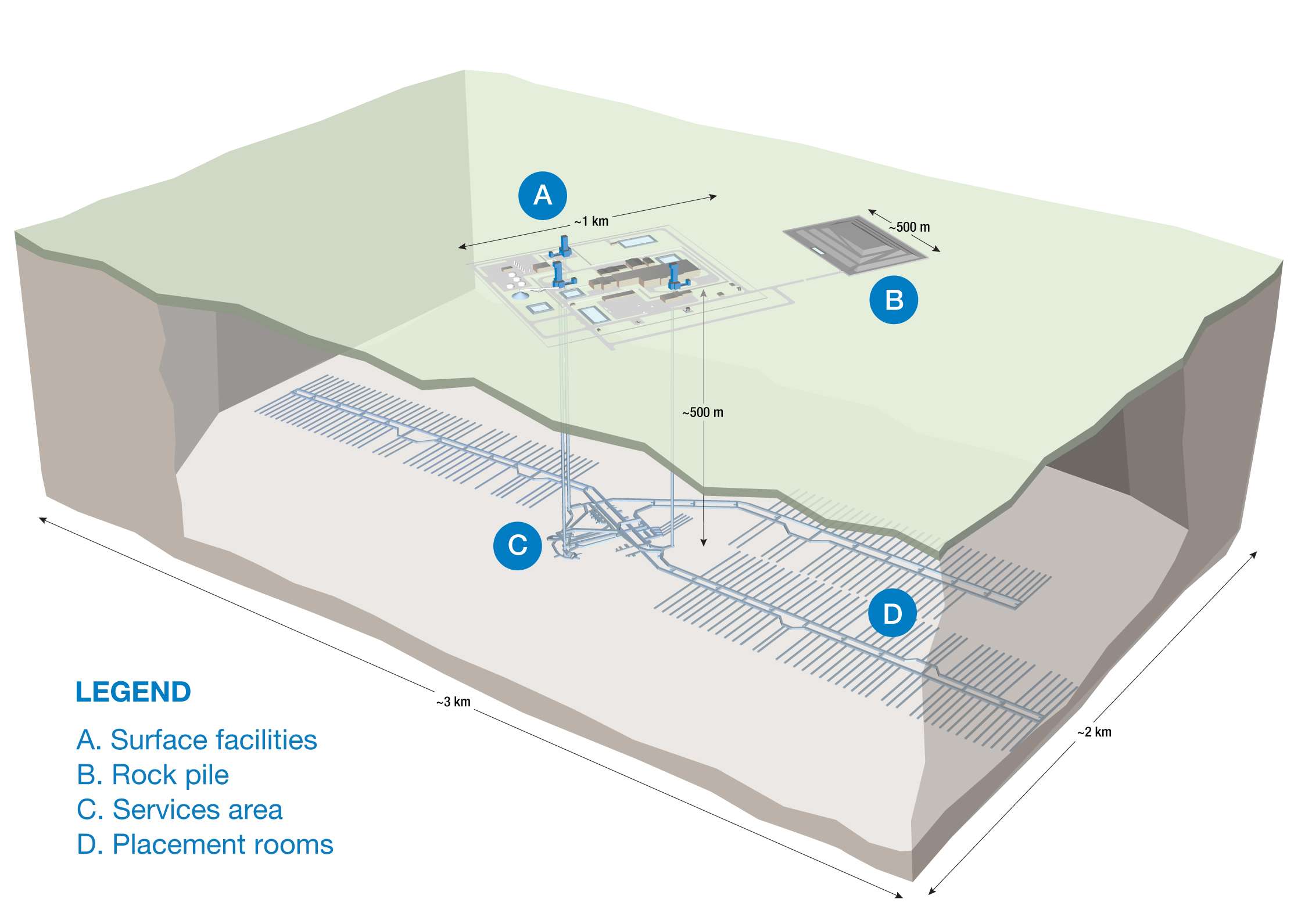
The Nuclear Waste Management Organization (the NWMO) is proposing a new underground deep geological repository system designed to safely contain and isolate used nuclear fuel. Wabigoon Lake Ojibway Nation (WLON) and the Township of Ignace have been selected as the host communities for the proposed project, which is located 21 kilometres southeast of the WLON and 43 kilometres northwest of the Town of Ignace, Ontario along Highway 17. As proposed, the Deep Geological Repository (DGR) for Canada’s Used Nuclear Fuel Project would provide permanent storage for approximately 5.9 million bundles of used nuclear fuel. The project is expected to span approximately 160 years, encompassing site preparation, construction, operation and closure monitoring. The project assessment is being conducted in collaboration with the Canadian Nuclear Safety Commission.
Learn more about the Integrated Impact Assessment process which is led by the Impact Assessment Agency of Canada and Canadian Nuclear Safety Commission.
- Read the Summary of Issues (February 16, 2026)
- Read the Summary of the Initial Project Description (January 5, 2026)
- Read the Initial Project Description (January 5, 2026)
- Learn More about the Melgund Integrated Nuclear Impact Assessment (MINIA) Project
- Learn More about the Nuclear Waste Management Organization (NWMO)
About the Author