How placemaking, exhibition training, and community-led curation are transforming a rural recreation hall into a cultural hub
Over the past few months, a lot of our learning has centred on something that doesn’t always get enough attention in community arts work: curation, exhibition design, and placemaking. These aren’t abstract ideas—they’re practical skills that determine how art is experienced, shared, and understood in public space.
In Melgund Township, Northwestern Ontario, that learning is taking shape in a very real way.
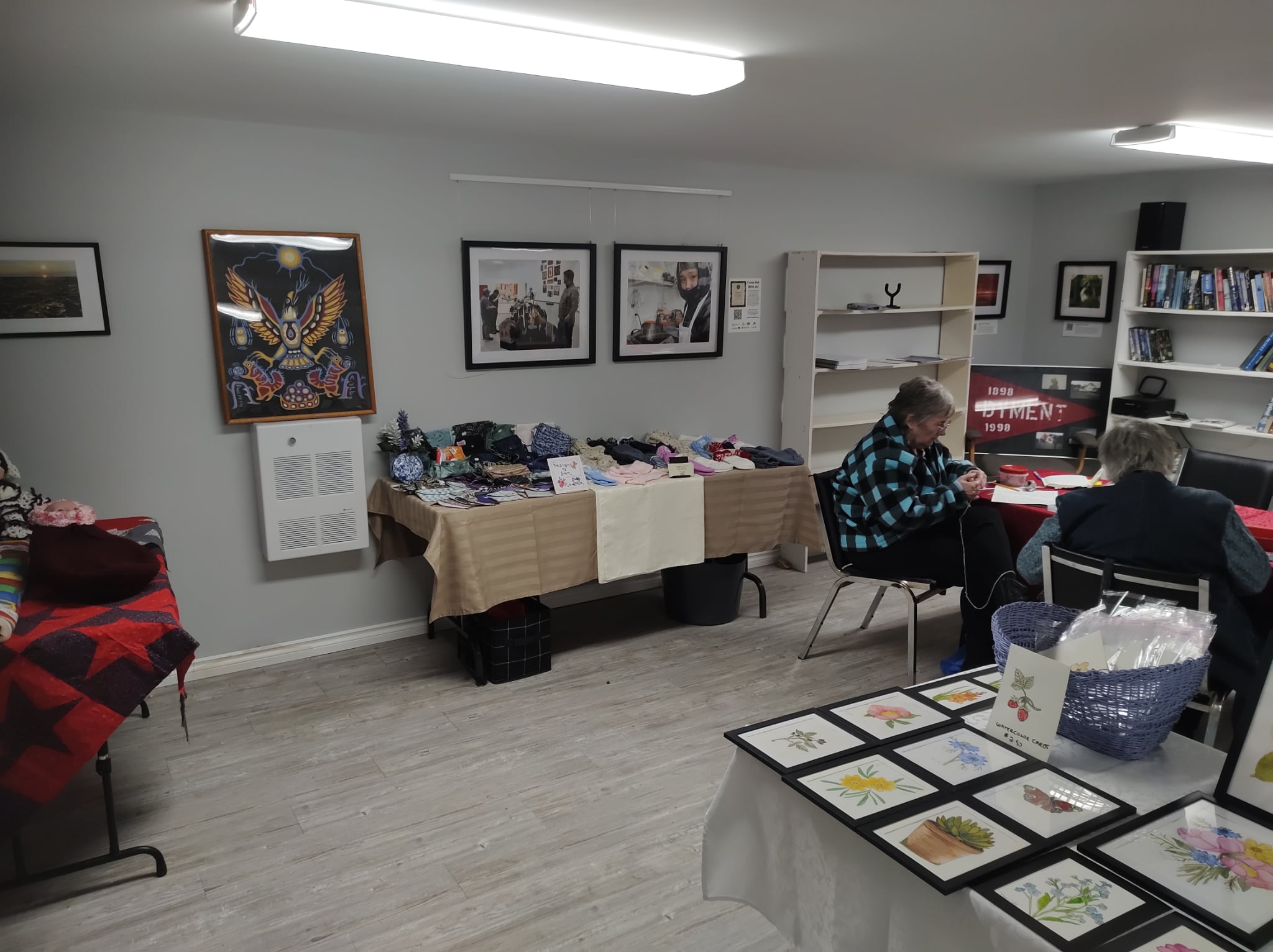
An unused, empty section of the Dyment Recreation Hall is being transformed into a living arts and culture space. What was once a quiet, underused room is now steadily becoming a place where work is shown, discussed, and developed. It is not just about displaying art—it is about building the infrastructure that allows art to exist in community in the first place.
Placemaking in a Rural Arts Context
In many Northwestern Ontario communities, arts and culture infrastructure is limited. Dedicated gallery spaces are rare, and opportunities for exhibition and professional development are often concentrated in larger urban centres. That gap makes local placemaking efforts especially important.
This project is rooted in a simple idea: if the space doesn’t exist, you build it together.
Through volunteerism, community-led design, and programming, the Dyment Recreation Hall is being reshaped into a flexible exhibition and gathering space. It is designed to support both emerging and established artists, while also giving community members direct access to the process of curation—how work is selected, installed, interpreted, and experienced.
Curation and Exhibition as Skill-Building Practice
One of the most important parts of this work has been treating curation and exhibition design as learnable skills, not just professional roles.
Artists and participants are actively learning how to:
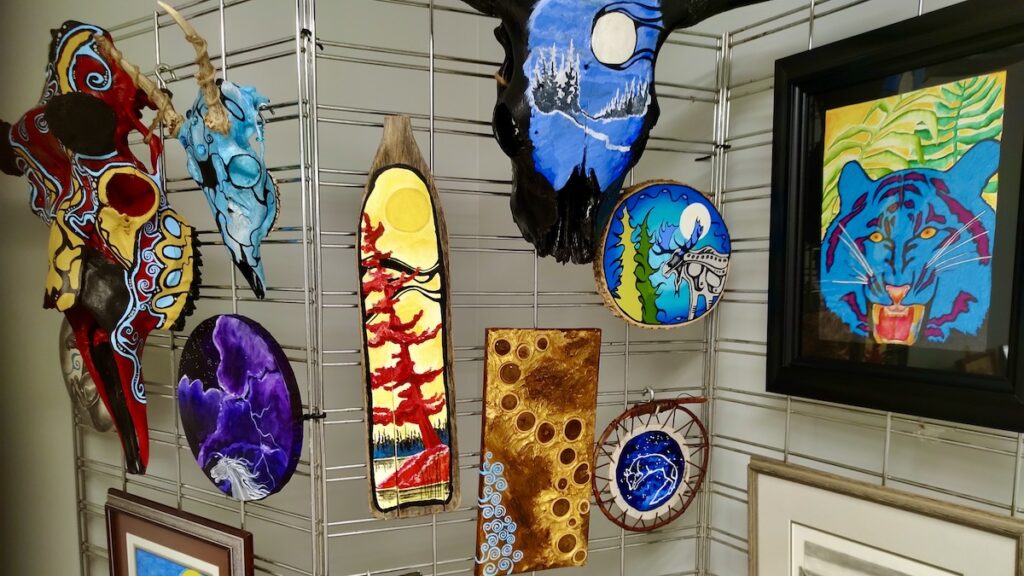
- Select and sequence artwork for display
- Think about flow, spacing, and visual storytelling
- Install work in a shared public environment
- Consider how audiences move through and experience a space
These are skills that often sit behind the scenes in the arts sector, but they are essential. By bringing them into a community recreation setting, the learning becomes hands-on, accessible, and shared.
For emerging artists, this is often the first time their work is installed in a curated environment. For more established artists, it becomes an opportunity to mentor, experiment, and revisit their practice in a new context.
A Partnership-Led Creative Space
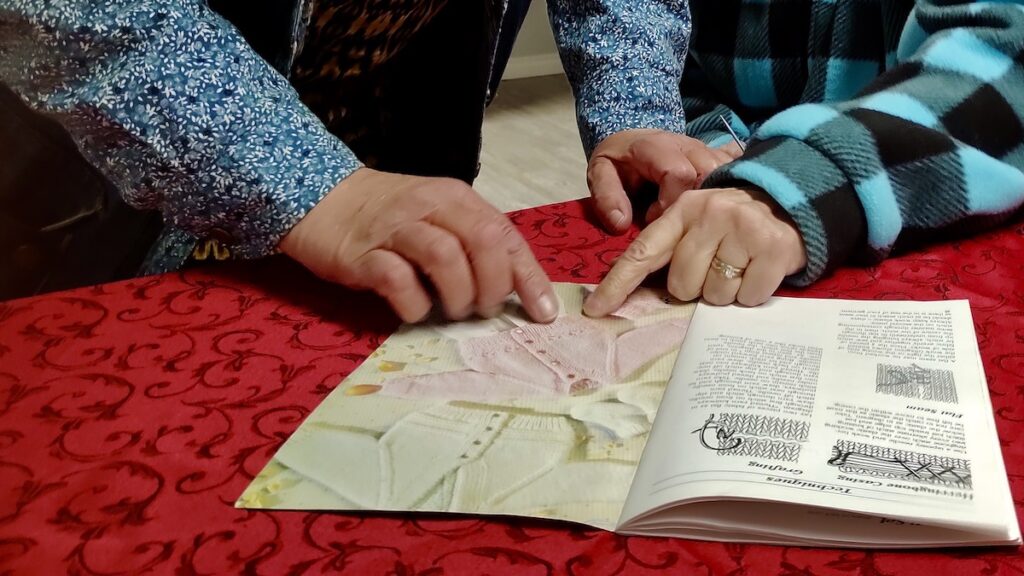
This work is being developed in collaboration with the Arts Incubator Winnipeg, Art Borups Corners, Melgund Recreation Arts and Culture, and the Local Services Board of Melgund. It also builds on programming seeded last year with the Ontario Arts Council and the Government of Ontario. Together, these partners and an incredible team of volunteers are helping build a program that is both structured and open-ended—grounded in regular gatherings but shaped by the people who show up.
The result is a space that feels active rather than static. It changes week to week as new work comes in, as installations shift, and as conversations reshape how the space is used.
Programming and Community Participation
The program is currently running on a consistent weekly schedule:
- Mondays: 1:00 p.m. – 4:00 p.m.
- Wednesdays: 1:00 p.m. – 4:00 p.m.
- Saturdays: 10:00 a.m. – 12:00 noon
These sessions are open to artists, makers, and community members who are interested in visual arts, exhibition development, or simply being part of a creative space in progress.
There is no requirement to arrive with finished work. In many cases, ideas begin in the room—sketches, discussions, or rough concepts that evolve into displayed pieces over time. That process is part of the learning.

Why Curation Matters in Community Arts
Curation is often thought of as something that happens in formal galleries or institutions. But in reality, it is also a community practice. It shapes what stories are told, whose work is seen, and how creative work is framed within a shared environment.
By introducing curation and exhibition training into a recreation setting, this program is helping build long-term capacity in the region. It allows participants to understand not just how to make art, but how to present it, contextualize it, and build meaning around it.
An Open Invitation
At its core, this project is about access—access to space, to skills, and to creative opportunity in a region where those resources are often limited.
Anyone interested in visual arts, curation, or community-based exhibition work is encouraged to attend. Whether you are an established artist or just beginning to explore creative practice, there is space here to learn, contribute, and be part of something growing in real time.
In Melgund Township, a recreation hall is becoming more than a building. It is becoming a place where arts and culture is made visible, shared, and shaped by the community itself.