The narrative follows Ben and Sam, two young adults attempting a radical forty-eight-hour digital detox in a world dominated by algorithmic pressure and economic instability. After locking their smartphones in a metal box and freezing the key in an ice tray, they venture out into the city without the safety net of GPS or constant connectivity. Ben initially suffers from intense psychological withdrawal, characterized by phantom vibrations and a compulsive need to document his surroundings for external validation.
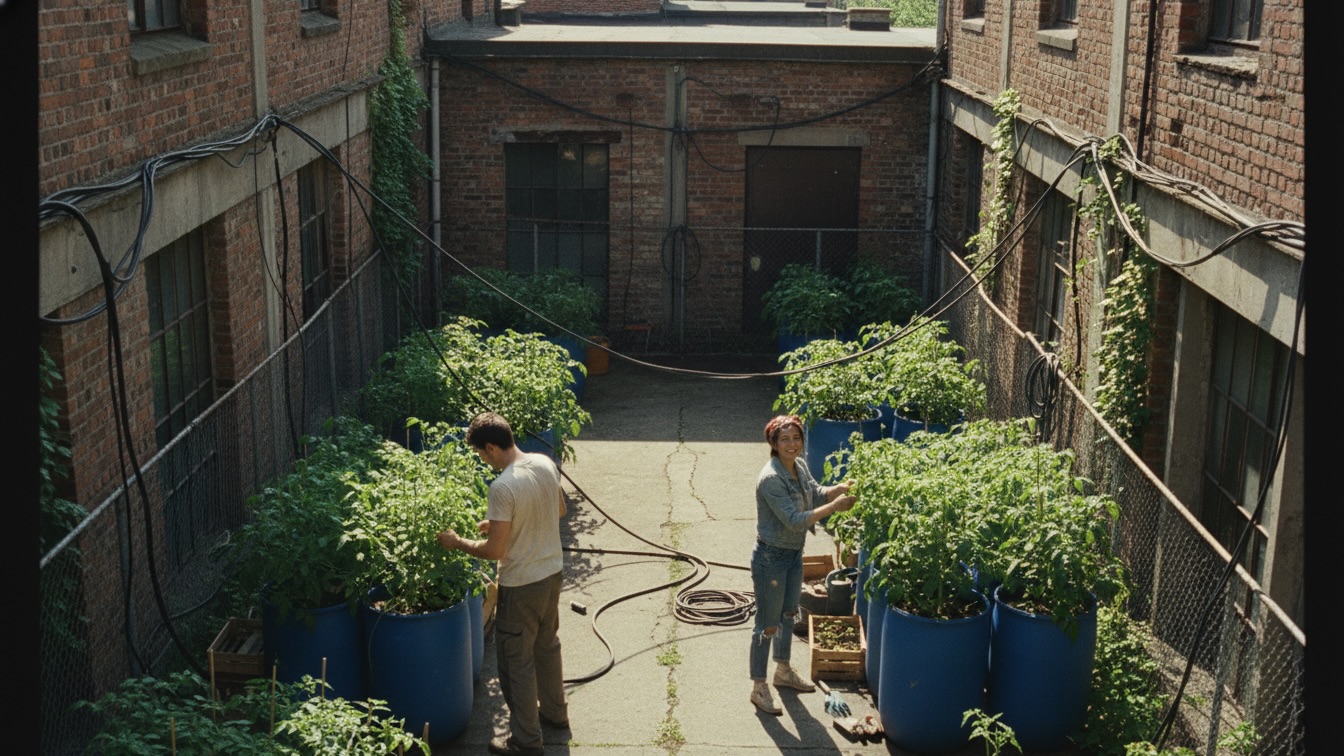
Their aimless walk leads them to a hidden industrial lot that functions as a "node," a self-sustaining community garden and localized mesh network. There, they meet Maya and Taren, who have built a physical, private intranet that exists entirely outside the commercial internet. Ben finds relief from his chronic anxiety by performing manual labor, helping Taren wire an antenna on a warehouse roof. The chapter concludes with Ben and Sam experiencing a profound sense of presence and physical reality, even as they acknowledge that they must eventually return to the digital grid.
The central theme of the story is the conflict between digital abstraction and physical reality. Ben’s phone is described as a phantom organ, suggesting that technology has moved beyond being a tool and has become a parasitic extension of the human nervous system. The narrative posits that the digital world is "leased" and ephemeral, whereas the physical world—represented by dirt, rust, and manual labor—is something that can be truly owned and felt. This reclamation of the tangible serves as the only viable defense against a system designed to monetize human attention.
Another significant theme is the concept of "Analog Resistance" as a form of psychological survival. The characters do not seek to overthrow the global digital infrastructure, which Taren admits is too vast to escape entirely. Instead, they focus on carving out "pockets" of autonomy where the algorithm cannot reach. This suggests a shift from traditional revolution to a more personal, localized form of secession. By creating their own mesh network and growing their own food, the members of the node regain a sense of agency that the commercial grid had stripped away.
The story also explores the sensory overload inherent in modern urban life when stripped of digital filters. Ben’s reliance on noise-canceling headphones and curated feeds has left him ill-equipped to handle the raw data of the city. When he steps outside without his device, the environment hits him like a "physical blow." The narrative suggests that the digital world acts as a buffer that numbs the senses, and true engagement with life requires a painful, often overwhelming period of sensory re-entry.
Ben serves as the primary lens through which the psychological toll of digital addiction is viewed. He is characterized by a high state of baseline anxiety, which manifests as physical tics and a crushing sensation in his chest. His identity is deeply tied to his digital status, as evidenced by his fear of "missing an organ" when his phone is removed. He represents the modern individual who is perpetually haunted by the "metrics" of his life, from job rejections to his bank balance.
His arc in the chapter is one of grounding and sensory reconnection. Initially, he is terrified of the "endless, terrifying desert" of a weekend without scrolling, showing a profound fear of his own internal thoughts. However, by engaging in the physical task of hauling wire and climbing a fire escape, he shifts from a state of paralysis to one of focused action. The "sudden oxygen" he feels at the node is not just a metaphor for relief, but a physiological response to the cessation of digital noise.
By the end of the narrative, Ben has moved from a state of digital dependency to a fragile state of presence. While he remains aware that he must eventually return to the "machine," his perspective has been permanently altered. He finds satisfaction in a "real, earned ache" and the stinging pain of a scraped knuckle. These physical sensations provide him with a sense of certainty that the digital world, with its "lo-fi beats" and "job algorithms," could never offer.
Sam acts as the catalyst for the story's events, possessing a more proactive and grounded temperament than Ben. She is the one who enforces the digital fast, demonstrating a level of willpower that Ben lacks. Her decision to freeze the key shows a practical understanding of human weakness and the need for physical barriers against digital temptation. She is less interested in the technical aspects of the resistance and more drawn to the biological, as seen in her desire to plant seeds.
Her character represents the nurturing aspect of the analog resistance. While Ben is on the roof dealing with hardware, she is on the ground with her hands in the soil. This connection to the earth provides her with a visible sense of peace, as the dark circles under her eyes transform from signs of exhaustion into mere shadows. She seeks a version of life that is "doing its thing" regardless of economic dips or digital trends.
Maya is the pragmatic leader of the local node, embodying the fusion of technical skill and survivalist grit. She is cautious but not hostile, representing a community that has learned to value privacy as a defensive necessity. Her use of a physical clipboard and paper is a deliberate choice that highlights her rejection of digital tracking. She views the garden and the mesh network as integrated systems of survival rather than mere hobbies.
Taren serves as a mentor figure for Ben, providing a realistic perspective on the limits of their secession. He is a "handyman" of the new age, comfortable with both wrenches and cat6 cables. He lacks the idealistic delusions that often accompany counter-culture movements, acknowledging that he still has to "clock in on the app" to survive. His role is to teach Ben that resistance is not about total escape, but about maintaining one's sanity within a pocket of one's own making.
The author employs a gritty, sensory-heavy prose style that mirrors the protagonist's transition from digital numbness to physical awareness. The descriptions of the apartment and the city are intentionally harsh, using words like "aggressive," "unforgiving," and "chaotic." This creates a tone of high tension that matches Ben’s internal state of withdrawal. The contrast between the "harsh, yellow light" of the bedroom and the "deep, bruised purple" of the sunset marks the shift from artificial to natural environments.
Pacing is used effectively to simulate the subjective experience of time. In the beginning, the prose is clipped and urgent, reflecting the frantic energy of a digital mind. As Ben and Sam begin their walk, the narrative slows down, emphasizing the "slow and sticky" nature of time when it is no longer measured in scrolls and refreshes. The detailed description of the manual labor on the roof further slows the pace, forcing the reader to experience the deliberate, step-by-step nature of physical work.
The use of metaphorical language emphasizes the predatory nature of technology. The "job algorithm" and "commercial bands" are treated as environmental hazards, while the "Faraday netting" is described as a protective shield. The "machine" is personified as an entity that "owns the roads and the pipes." This framing elevates the story from a simple tale of a weekend walk to a high-stakes struggle for psychological and spiritual autonomy in a technocratic world.


