

Understanding How the DGR Could Change the Look and Sound of Our Home
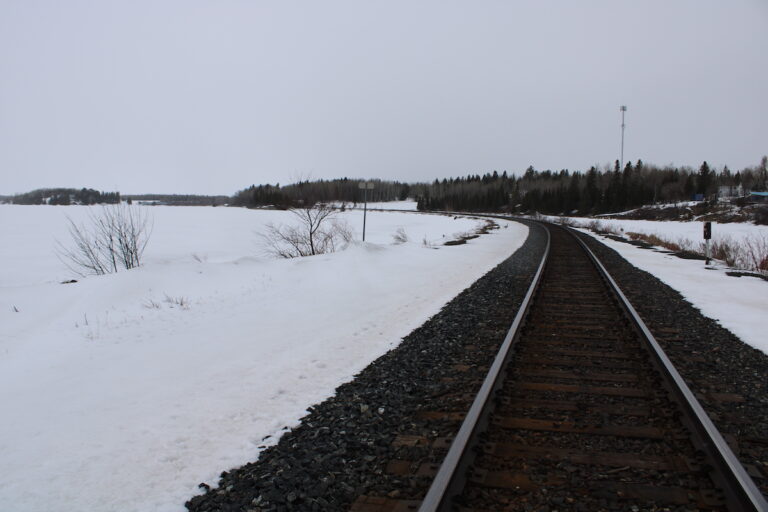
Here in Northwestern Ontario, we know the value of a dark sky and a quiet bush. Whether you are in Melgund Township, Borups Corners, or Dyment, the sensory experience of our landscape is unique. It is not just about what is under the ground; it is about the air we breathe, the silence we enjoy, and the stars we see at night. As the Nuclear Waste Management Organization (NWMO) moves forward with the Revell Site assessment, they have released documents detailing how they plan to measure these environmental factors. We took a closer look at their plans for the Deep Geological Repository to see if they truly capture the reality of life in our neck of the woods.
What We Are Learning
The NWMO has acknowledged that our area is “intrinsically dark” with very little development. Currently, they admit that they don’t have much local data on air quality. In fact, the nearest official monitoring stations they rely on for historical context are in Thunder Bay and Winnipeg—hundreds of kilometers away. To fix this, they started a new air quality collection program in 2023. Regarding noise, they plan to monitor sound levels for two-week periods in different seasons. For light pollution, they are planning a summer campaign to measure sky glow. Interestingly, they have stated that their study of the “visual environment” (what the land looks like) is already considered “sufficiently complete” based on maps of trees and wetlands.
The Reality Check
When we look at the Impact Assessment documents, we need to separate promises from the data gaps.
- What is being promised: The NWMO claims they will establish a baseline for light and noise to ensure the project doesn’t disrupt the environment. They also claim the visual study is done because they know the area is mostly Jack Pine and Black Spruce.
- What we need to verify: Relying on air quality data from Winnipeg to model Melgund Township is a stretch. Furthermore, claiming the visual assessment is “complete” without asking locals which views are culturally significant feels premature. A map of trees is not the same as understanding a view.
The Path Forward
The Gap: The current plan for monitoring light pollution only includes summer data collection. This is a major oversight for Northwestern Ontario.
The Solution: We are calling for mandatory winter light monitoring. Why? Because snow reflects light (a phenomenon called albedo). A light source that seems dim in July can light up the whole horizon in January when the ground is white. Omitting winter data underestimates the true impact on our dark skies.
The Gap: The noise monitoring is limited to short, two-week snapshots.
The Solution: Noise monitoring should be synchronized with key biological windows for local wildlife, not just arbitrary calendar dates. We need to know how industrial noise will travel during the quietest, crispest days of winter when sound carries for miles.
Why It Matters Here
For residents of the Revell Site area, these aren’t just technical metrics; they are lifestyle factors. If you hunt or fish, you know that noise travels differently depending on the season. If you moved here for the peace and quiet, a “two-week average” might not capture the peak noise events that could disturb your sleep or scare off game. Furthermore, accepting a visual assessment that doesn’t account for the specific views we cherish means we might lose vistas we didn’t know were at risk until the trees are already down.
Have Your Say
This affects our future. Submit your feedback on this specific issue via our Engage page to ensure the Impact Assessment Agency hears from our community.
The Melgund Integrated Nuclear Impact Assessment Project
The Impact Assessment Agency of Canada (IAAC) is reviewing the Nuclear Waste Management Organization’s (NWMO) proposed Deep Geological Repository (DGR) at the Revell Site, located near Ignace and Wabigoon Lake Ojibway Nation in Northwestern Ontario.
This major nuclear infrastructure project is undergoing a joint federal review by the IAAC and the Canadian Nuclear Safety Commission (CNSC) to evaluate environmental, health, social, and Indigenous rights impacts over its projected 160-year lifecycle.
Public Feedback Open: Comments on the Initial Project Description are accepted until February 4, 2026. Submissions help shape the formal impact assessment guidelines.
This short article and summary is based on an initial analysis of a proponent’s initial project description. It does not represent, any community the NWMO or the Government of Canada. Learn more at the Melgund Integrated Nuclear Impact Assessment Project project page.
About the Author