
How local food production and structured recreation address the rising costs and social isolation in the North.
Residents of Melgund Township understand the high cost of living in the North better than anyone. We see it every time we walk through the produce section of our local grocery store, or with the 1.5 hours of driving needed to get to and from a grocery store.
The price of a head of lettuce or a bag of carrots often feels like a geographic tax. Most of our fresh food travels thousands of kilometres on trucks before it reaches our plates. This makes our food supply fragile and expensive. We are at the mercy of rising fuel costs and highway conditions that can cut us off from the south at any moment.
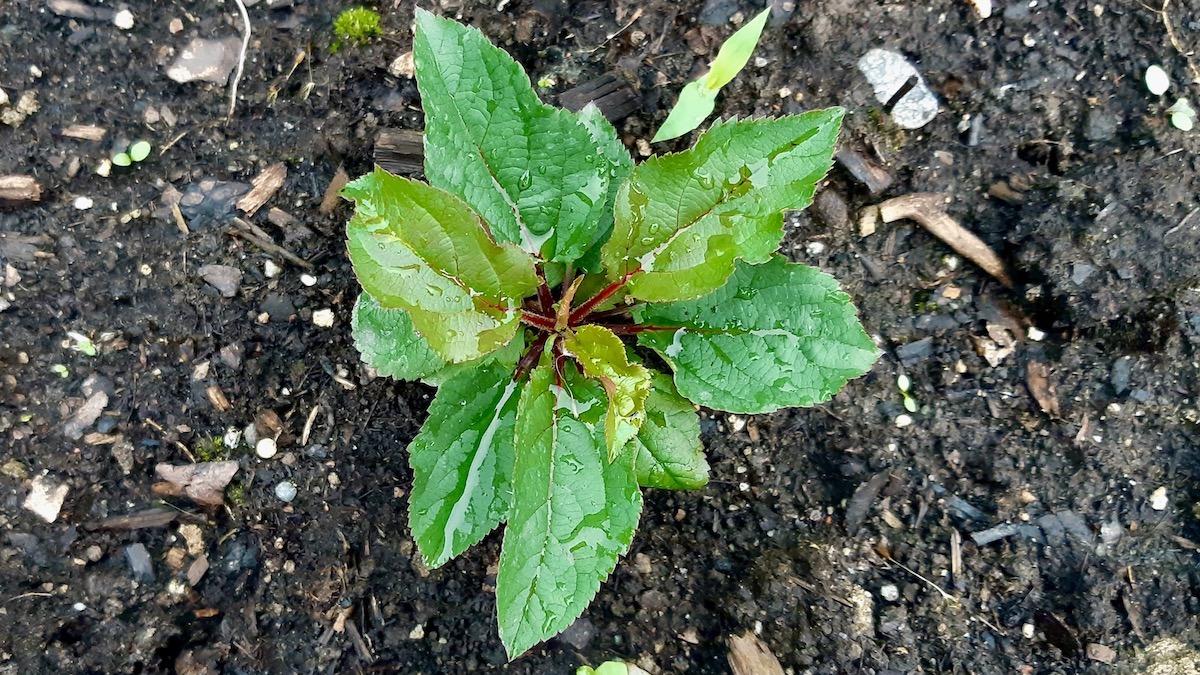
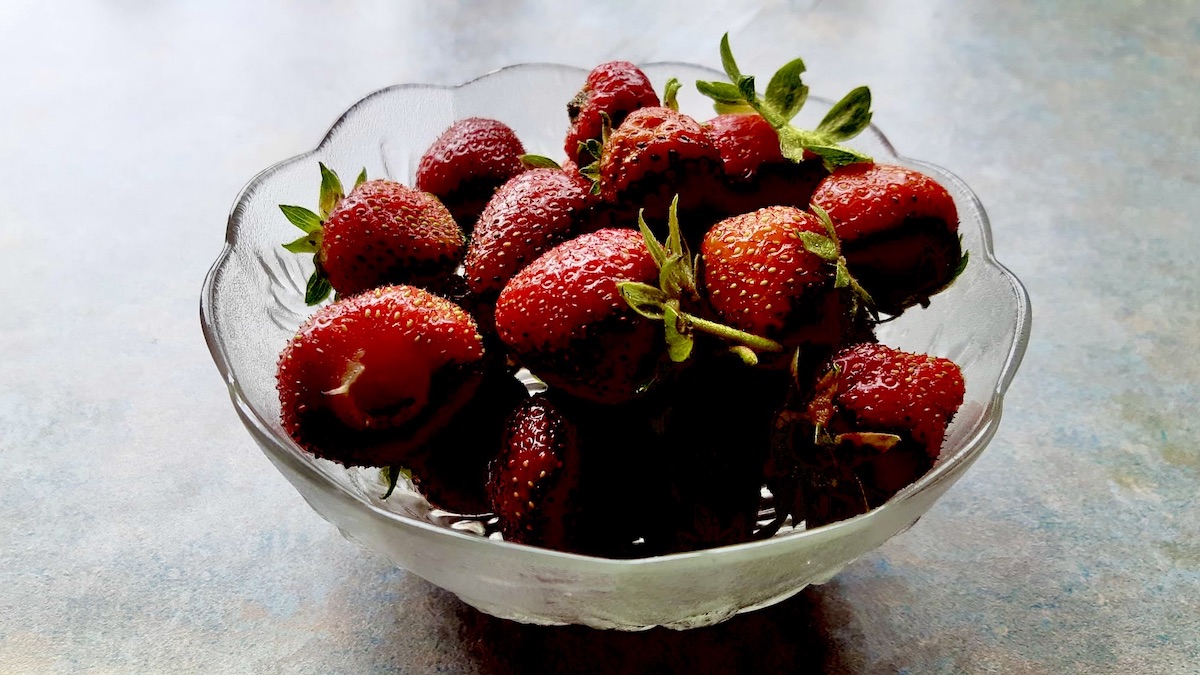
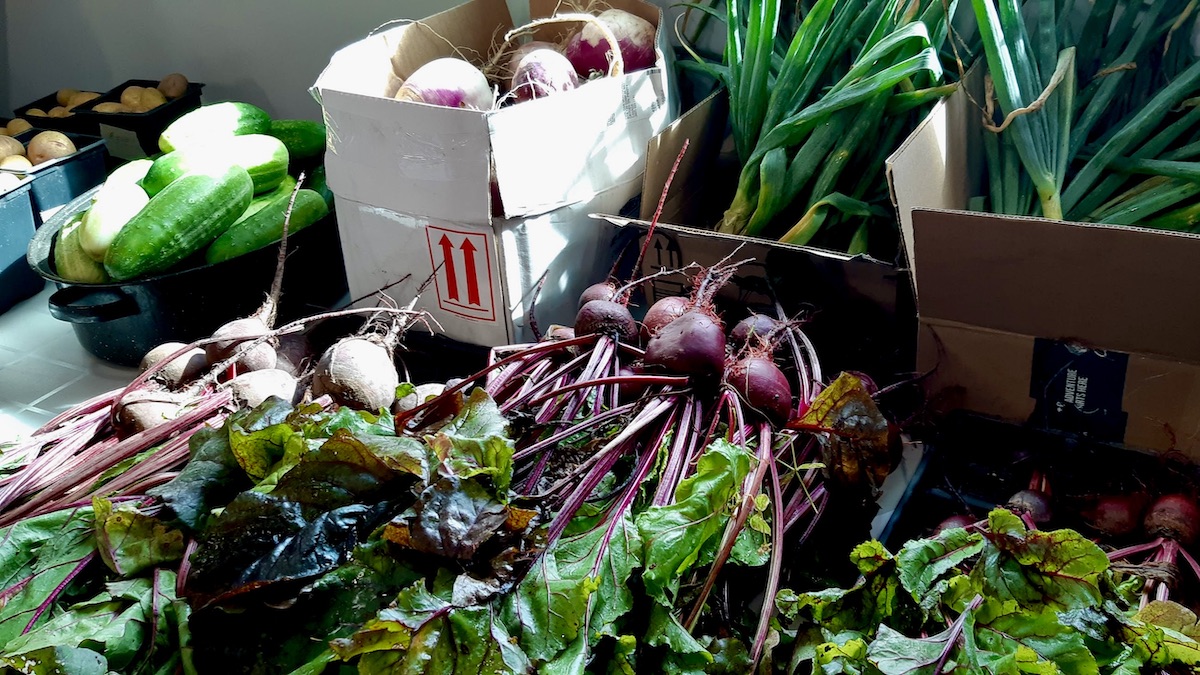
We need a more resilient way to feed ourselves. Community-led food security is not just a nice idea; it is a necessity for our survival and health. We must shift our focus toward producing what we can within Melgund Township. Community gardens offer a direct way to reclaim control over our nutrition and our budgets. These spaces do more than just produce vegetables. They serve as the foundation for a healthier, more connected town.
Building Community Through Shared Work
Social isolation is a quiet but persistent challenge in small, northern towns. We find that the most effective way to build a strong social network is through shared, meaningful work. Community gardens act as a gathering point where residents of all ages meet on common ground. We can see neighbours sharing tips on how to handle the specific soil conditions of Northwestern Ontario. We can see seniors passing down knowledge about short-season crops to younger families.
Working together in the soil breaks down barriers. It creates a sense of belonging that is hard to find elsewhere. We are more likely to support one another during difficult times when we have spent the summer weeding side by side. These relationships are the glue that holds small communities like those in Melgund Township together. A community that grows food together develops a shared identity and a collective pride. This social resilience is a vital part of our local health.
Active Living Through Structured Recreation
We often think of recreation in terms of hockey or organized sports, but it’s time we expanded that definition. Community gardening is also a form of sustainable and structured recreation programming that supports active living for everyone. It provides a reason to get outside and engage in physical activity that has a clear, rewarding outcome. We view the garden as an outdoor gymnasium where the exercises have a purpose.
Gardening involves functional movements like lifting, reaching, and bending. These activities improve our strength and flexibility in ways that are accessible to people of all fitness levels. For many in Melgund Township, this is the most consistent form of outdoor activity available during the warmer months. Structured garden programs ensure that residents have a safe, welcoming space to remain active. This type of healthy recreation reduces the risk of chronic health issues and supports mental clarity.
When we move our bodies to grow our food, we invest in our long-term wellness.
Building Capacity for a Healthy Future
We build capacity when we teach ourselves how to be self-sufficient. Many of the skills needed to survive and thrive in a northern climate have been lost over the last few generations. We are working to bring those skills back. Programs like our community garden project help us learn about everything from seed selection and soil health, to event management and food preservation. These are tools we need to ensure our children and grandchildren grow up with a deep understanding of where their food comes from.
This knowledge also makes our community more capable. Through programs like this, we become less dependent on external systems that do not always have our best interests at heart. This way, we’re growing a new generation of leaders who understand the value of local resources. This capacity building also helps us to face the future with confidence. We are not just planting seeds; we are planting the skills that will sustain our community for years to come.
Local Action for SDG 2: Zero Hunger
Our food security and community gardening efforts in Melgund Township align with Sustainable Development Goal 2, also known as Zero Hunger. This global goal seeks to end hunger and ensure access to safe, nutritious food for all. While the goal is global, the solution is local. We contribute to SDG 2 every time we harvest a crop from a community plot. We’re creating a food system that is sustainable and equitable.
Sustainable food production in the North requires us to rethink how we use our land. We advocate for permanent garden spaces that are protected for future use. We also need to treat food infrastructure with the same respect we give to our roads and water systems. Localizing our food production, we reduce the environmental impact of long-distance shipping and most importantly ensure that no neighbour is left behind.
This is how we turn a global vision into a local reality.
Take Responsibility for Our Food Security
We have the land, the knowledge, and the community spirit to change our food future in Melgund Township. You can help by getting involved in a local garden project or speaking to your local and regional representatives about the importance of food security. We need every hand on deck to build a resilient and healthy community. So let’s work together to ensure that fresh, local food is available to everyone in Northwestern Ontario.
The seeds we plant today will feed us tomorrow. Our health and our future are in our own hands.
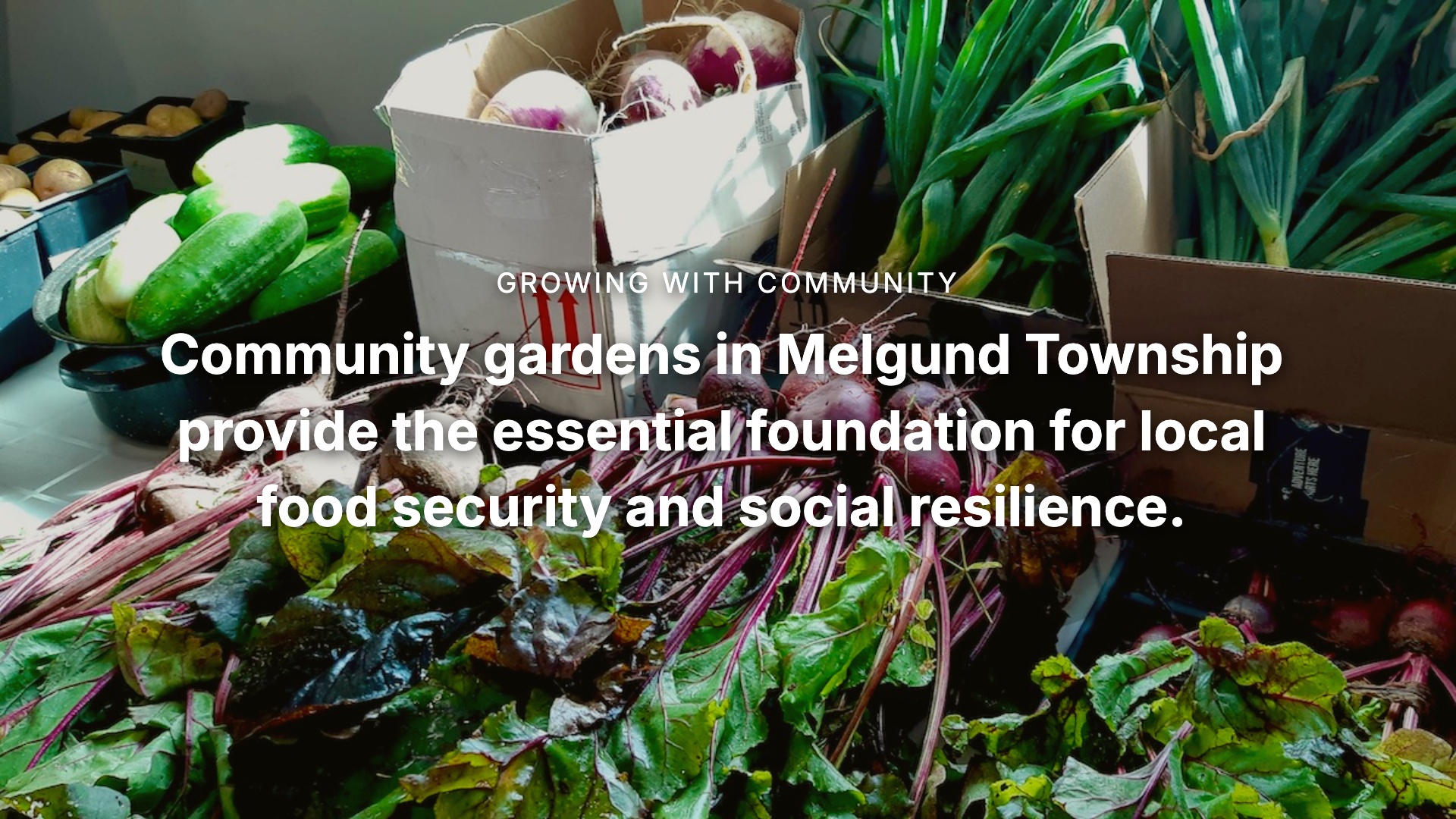
Learn More with the Melgund Recreation, Arts and Culture Food Security Program
The Melgund Township Recreational Community Garden project supports sustainable agriculture, food security, active living, and community connection for residents of Dyment and Borups Corners. The garden is a shared space where residents can grow fresh foods, spend time outdoors, and enjoy hands-on learning in a welcoming community environment.
Through seasonal gardening, skill-sharing, and community activities, the program encourages healthy lifestyles while helping people learn practical skills like planting, harvesting, and caring for the land. It’s a place for neighbors of all ages to connect, have fun, and take part in building a stronger, more resilient local food system.
Contact us today at info@artsincubator.ca to learn more or get involved.
About the Author