
Growing Food Security in Northwestern Ontario, One Garden Bed at a Time
In Northwestern Ontario, fresh food does not always come easily. Many communities sit at the end of long supply chains that stretch thousands of kilometres. By the time vegetables reach local shelves, prices are often higher and the quality is lower. Anyone who shops regularly in small northern stores knows the feeling of paying more for produce that will only last a few days.
The numbers show that this is not just a perception. According to PROOF Food Insecurity Policy Research, more than 7 million people in Canada experienced food insecurity in 2022. It’s even worse in 2026. Northern and remote communities face some of the highest costs for fresh foods in the country. The Nutrition North Canada program has repeatedly reported that food transported long distances to northern communities can cost significantly more than the same items in southern cities.
Local solutions matter. Community gardens offer one of the simplest and most practical ways to strengthen local food systems. When we turn unused land into places where vegetables grow, we shorten the distance between the soil and the dinner table. In Melgund Township, we have the space, the land, and the community spirit needed to make this work.
Gardening as Healthy Recreation and Active Living
Recreation in northern communities often means hockey rinks, trails, or time on the lake. Gardening belongs in that same conversation. Digging soil, planting seeds, watering beds, and harvesting vegetables keeps people moving and active throughout the summer months.
Health research backs this up. Spending time outdoors, working with soil, and watching plants grow provides real psychological benefits. For many people, gardening reduces stress and creates a sense of purpose.
In small northern towns, this kind of accessible activity matters. Gardening is something grandparents can do with grandchildren. It is something neighbours can share. And it is something that produces food at the end of the day.
Community Gardens Build Social Resilience
One of the most powerful things about community gardens is that they bring people together. In places like Dyment or Borups Corners, distances between homes can be large and opportunities to gather are limited. A shared garden creates a reason to meet.
Across Canada, many communities have discovered that gardens do more than grow vegetables. They grow relationships. The United Nations Food and Agriculture Organization has highlighted community food initiatives as key tools for strengthening local resilience and improving access to nutritious foods.
In practice, this means neighbours sharing seeds, trading advice, and helping each other during harvest. A person who grows extra carrots may pass them to someone who needs them. Another gardener might show a beginner how to protect seedlings from a late frost. These small exchanges create stronger communities.
Gardening in a Northern Climate
Anyone who gardens in Northwestern Ontario knows the growing season can be short and unpredictable. Frost can arrive early in the fall and linger late into the spring. But northern gardening has its own strengths.
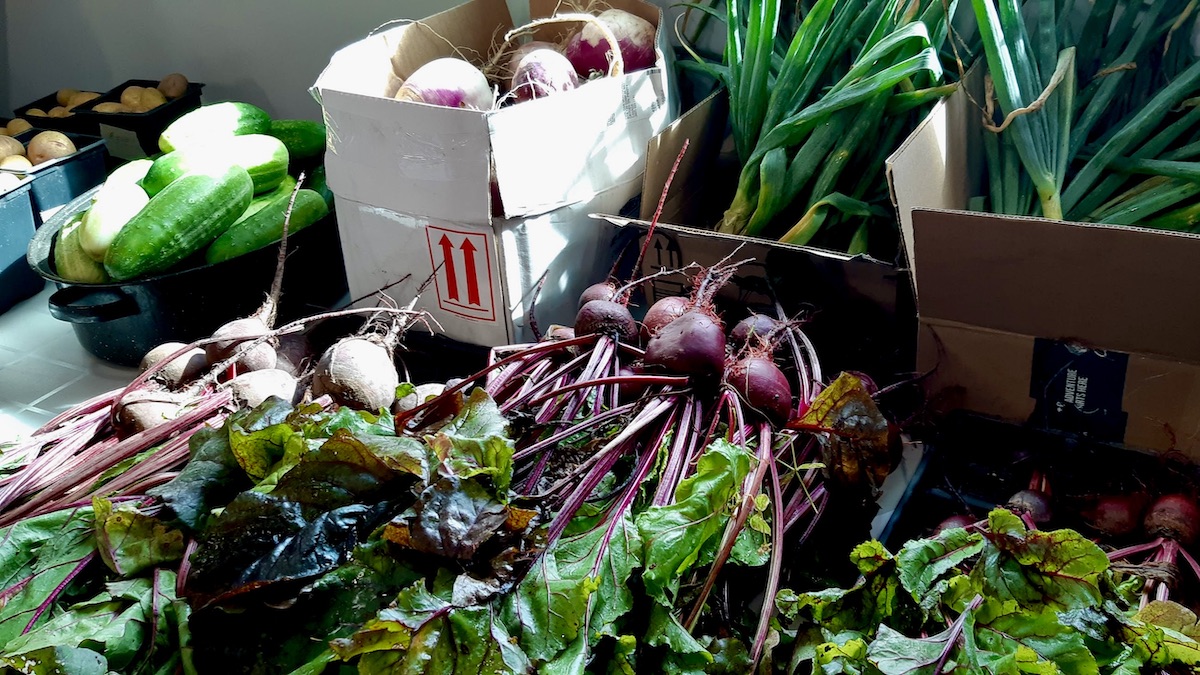
Raised beds help the soil warm more quickly in spring, giving plants a head start. Windbreaks protect young plants from strong northern gusts. Hardy crops like potatoes, cabbage, kale, carrots, and beets tend to perform well in cooler climates.
Many northern communities are also experimenting with shared greenhouses and season-extending techniques. According to research by Food Secure Canada, community-based growing infrastructure such as greenhouses and tool libraries significantly increases the success rate of small-scale local food programs.
These practical solutions help communities grow more food locally, even in challenging climates.
Local Action and the Global Goal of Ending Hunger
Local gardens might seem small compared to global food systems, but they are part of something much bigger. The United Nations Sustainable Development Goals include SDG 2: Zero Hunger, which calls for improved food access, sustainable agriculture, and resilient food systems worldwide.
The United Nations SDG 2 framework recognizes that communities must develop local solutions that strengthen food security close to home. When a community garden grows vegetables that feed local families, it contributes directly to this global goal.
Reducing the distance food travels also lowers environmental impacts and supports healthier diets. It may not replace grocery stores entirely, but it helps communities become more resilient.
Planting the Future in Melgund Township
Food security is not something that changes overnight. It grows slowly, season by season, just like a garden. But small steps matter.
Every garden bed planted in Melgund Township represents a practical investment in the future of the community. It is fresh food for a family table. It is a shared activity that brings neighbours together. And it is a reminder that northern communities can take meaningful action to strengthen their own food systems.
The seeds planted today help shape the resilience of tomorrow.
Melgund Recreation, Arts and Culture Food Security Program
The Melgund Township Recreational Community Garden supports food security, active living, and community connection in Dyment and Borups Corners. The garden is a shared space where residents can grow fresh foods, spend time outdoors, and learn practical skills connected to the land.
Through seasonal gardening, skill-sharing, and community activities, the program encourages healthy lifestyles while helping people learn how to plant, harvest, and care for food crops in a northern environment. It is a place where neighbours of all ages can gather, learn from one another, and contribute to a stronger local food system.
Contact us today at info@artsincubator.ca to learn more or get involved.
About the Author