
How shared gardening spaces drive social resilience and food security in Northwestern Ontario.
A community is more than a collection of houses; it is the shared work we do to sustain one another.
Here in Melgund Township and across Northwestern Ontario, the act of growing food together has become a vital way to strengthen our social bonds. We often talk about food security in terms of calories and costs, but the human connection formed over a garden plot is just as vital for our long-term health. These spaces also act as outdoor meeting rooms where neighbours who might otherwise never meet can share everything from advice to seeds, and stories.
This kind of social infrastructure can help make small towns more resilient during difficult times.
Active Living Through Productive Recreation
It’s also time to rethink what recreation looks like here in Northwestern Ontario. Gardening offers a form of active living that is accessible to almost everyone regardless of their ability. The physical work of maintaining a garden involves functional movements that improve our strength and flexibility. We bend to weed, lift watering cans, and walk between rows of vegetables. This low-impact exercise helps seniors maintain mobility and provides children with a space to burn energy while learning about biology and the environment.
Recreation in a community garden also serves a dual purpose. We get the heart-rate benefits of physical activity while producing a tangible reward: a sustainable harvest of fresh, local food. Here in Melgund Township, where winter keeps us indoors for many months, maximizing our active time outside during the summer is a health priority. We’ve found that participants are more likely to stick with a gardening routine because the social and nutritional rewards are so immediate.
This isn’t just a hobby; it’s a lifestyle that supports physical and mental wellness.
Addressing the Reality of Northern Food Costs
Our geographical position in Northwestern Ontario creates specific challenges for our grocery budgets. We live at the end of long supply chains that are often interrupted by weather or rising fuel costs. This means the produce available in our area stores is frequently expensive and lacks the freshness found in southern markets.
We can change this dynamic by growing more of our own food locally.
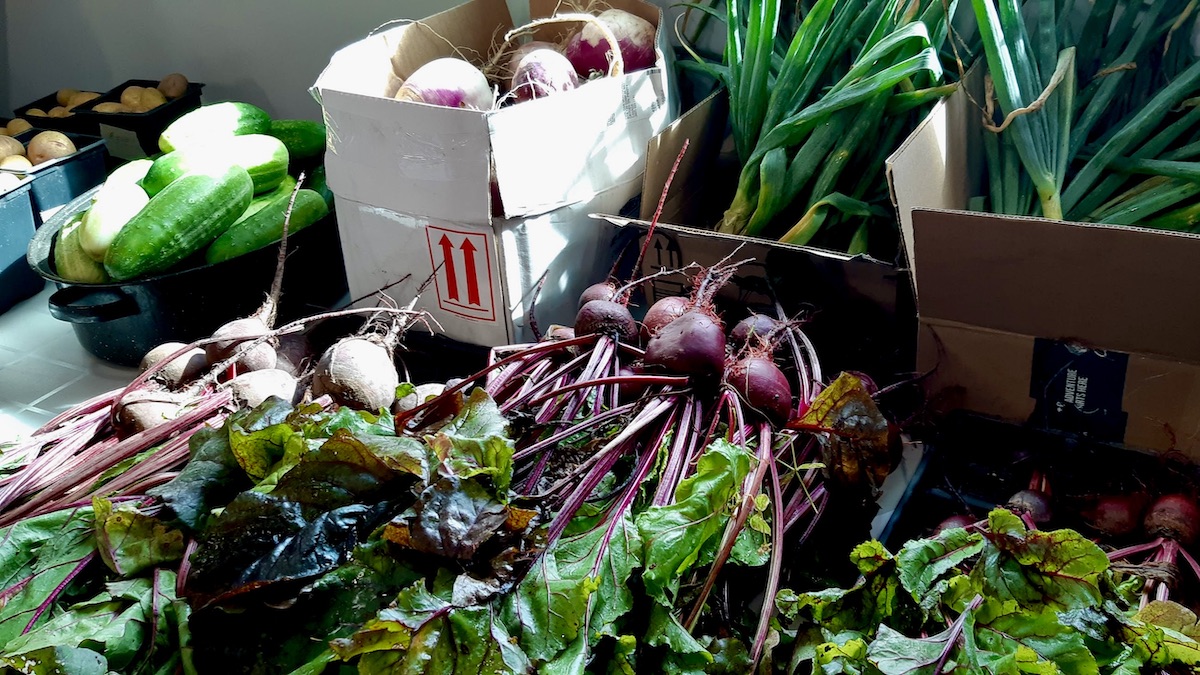
Community gardens also allow us to pool our resources. Instead of every household buying their own tools or fencing, we share these costs across a group. This collective approach makes fresh food more affordable for families who may be struggling with the rising cost of living. We also want to focus on crops that store well through the winter, such as carrots, onions, and potatoes.
Building Community Knowledge
One of the greatest benefits of these kinds of projects is the transfer of skills between generations.
We have a wealth of knowledge held by our Elders who have spent decades gardening in our unique northern climate. Community gardens provide a space for this wisdom to be passed down to younger generations. For example, we can learn which varieties of tomatoes can handle a late June frost and how to prepare the soil for our specific conditions.
This shared learning creates a sense of belonging and purpose.
It ensures that the skills needed to feed ourselves are not lost.
That’s why we are planning to host informal workshops where experienced gardeners can mentor beginners. This mentorship builds confidence and encourages more people to participate in local food production. When we learn together, we grow stronger together.
Alignment with SDG 2: Zero Hunger
Our local efforts here in Melgund Township contribute directly to the global goal of SDG 2: Zero Hunger.
This goal aims to end all forms of malnutrition and ensure everyone has access to sufficient, nutritious food all year round. We achieve this locally by creating sustainable food production systems that do not rely on outside inputs.
Shared gardens are also a model of sustainable agriculture. We use local compost to enrich the soil and reduce waste. We plant diverse crops that support local pollinators. Most importantly, we ensure that the food produced stays within the community to benefit those who need it most. Aligning our local recreation and food programs with these kinds of global standards, shows that small northern towns like ours can also lead the way in sustainable development.
A Call to Local Action
We invite you to get involved in your local food security initiatives. If you live in Melgund Township or the surrounding area, consider joining our garden project this season. We want to ensure that every resident has the space and the tools to grow. Our health, our community spirit, and our food security depend on the seeds we plant today.
Let’s commit to building a future where every neighbour has a place at our community tables.
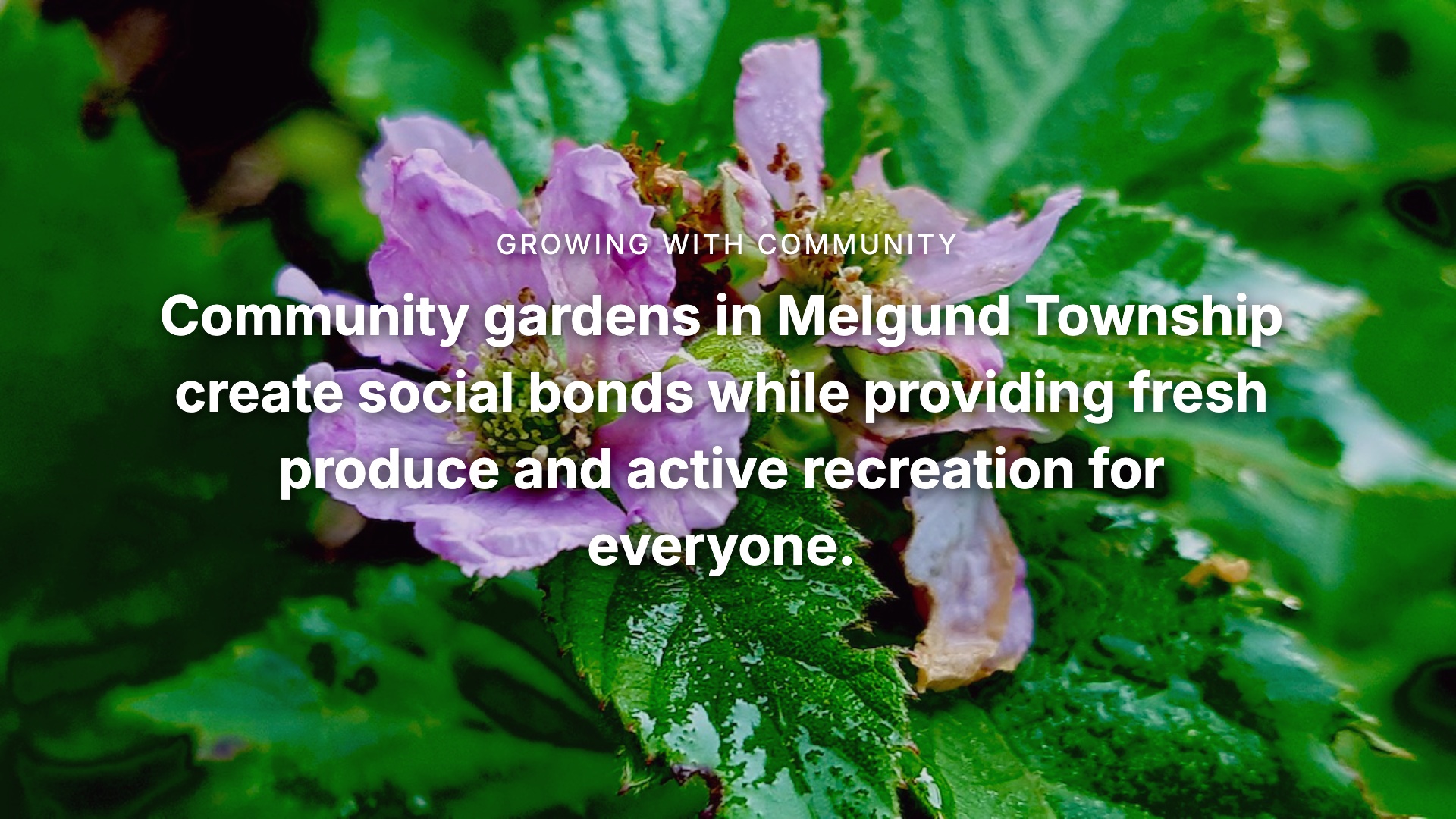
Learn More with the Melgund Recreation, Arts and Culture Food Security Program
The Melgund Township Recreational Community Garden supports food security, active living, and community connection in Dyment and Borups Corners. The garden is a shared space where residents can grow fresh foods, spend time outdoors, and enjoy hands-on learning in a welcoming community environment.
Through seasonal gardening, skill-sharing, and community activities, the program encourages healthy lifestyles while helping people learn practical skills like planting, harvesting, and caring for the land. It’s a place for neighbors of all ages to connect, have fun, and take part in building a stronger, more resilient local food system.
Contact us today at info@artsincubator.ca to learn more or get involved.
About the Author