Building a Community Compost Station: Closing the Loop
Vision and Purpose
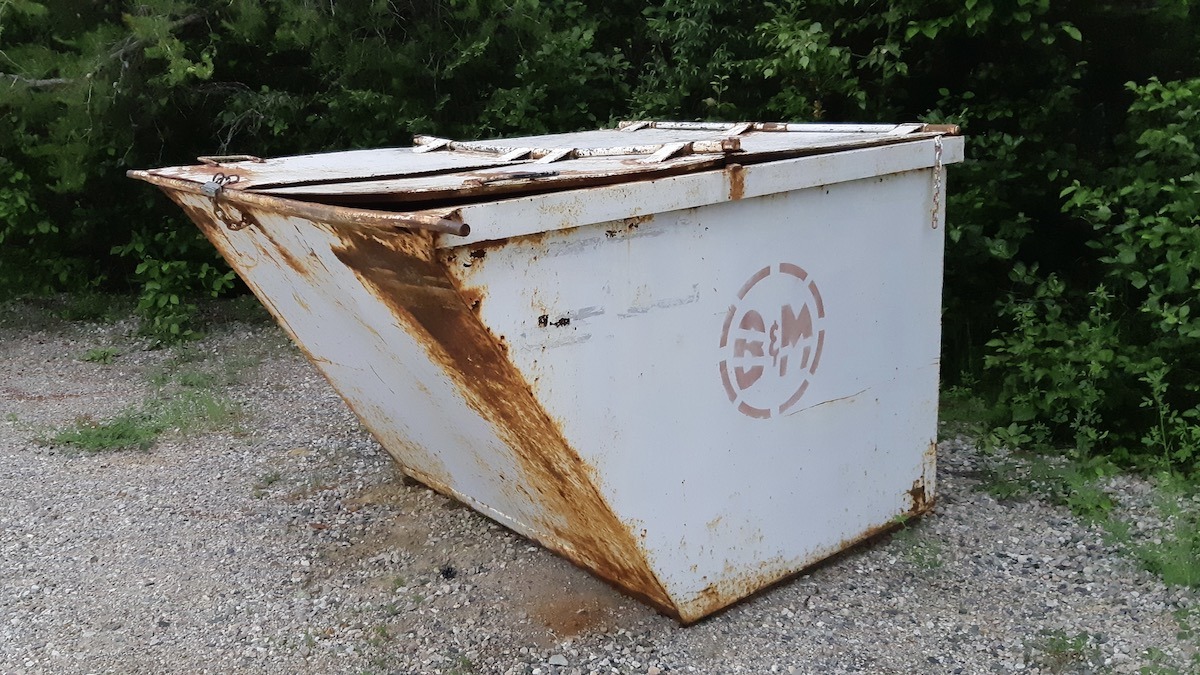
To complement a community garden, new apple orchard and broader recreation programming, we’re planning a simple community compost station that can be established adjacent to the existing waste bin at the Dyment Recreation Complex.
This initiative will turn “waste” into a local resource, providing a convenient spot for park users and “CookShack” visitors to divert organic scraps from the landfill. By situating the station near the orchard, we create a visible, circular ecosystem where yesterday’s coffee grounds, vegetables and apple cores become the nutrient-rich soil of tomorrow.
This plan for this project builds on highly successful food security and agriculture programming supported by the Aqqiumavvik Society and Arviat Goes Green project, funded by the Public Health Agency of Canada, Agriculture Canada, the Nunavut Research Institute, and other partners.
Recreation and Community Garden Integration
This proposed new station is framed as a core component of a regional recreation program designed to support a growing community garden network. Integrating waste diversion directly into a recreational space and community garden, the project transforms the Dyment Complex into an active site for environmental stewardship and hands-on agricultural education.
The compost produced here will serve as the primary soil amendment for the four hardy pippins and future community garden beds, ensuring that recreation at the complex is coupled with sustainable food production. This programming encourages community members to engage with the land through active participation in the nutrient cycle, fostering a sense of ownership over the local food system.
Statutory Authority and Funding Feasibility
The feasibility of this combined recreation and compost initiative is firmly grounded in provincial legislation under the Northern Services Boards Act, R.S.O. 1990, c. L.28. Under Section 3 of this Act, the Board may by by-law establish and maintain a system for the collection or removal of compost, garbage, or recycling. This statutory authority allows the Board to:
- Establish and maintain a system for the collection or removal, or any combination of them, of compost, garbage or recycling, or any combination of them.
- Contract for the collection, removal or disposal, or any combination of them, of compost, garbage or recycling, or any combination of them.
- Regulate the occasions, manner, extent and nature of such service and the persons to whom such service may be supplied.
- Charge a fee for the cost of such service.
By leveraging these existing “Garbage” powers, the project moves from a volunteer-led concept to a formal public utility. This legal scaffolding is critical for securing regional and provincial grants, as it validates the project’s governance and the Board’s authority to manage organic systems within a recreational framework.
Simple Design and Implementation
Following the project’s theme of imaginative simplicity, the compost station will require almost no complex construction and is set to begin in April 2026. Using a basic, sturdy wooden frame—similar in aesthetic to the apple orchard’s protective borders—the station will house a low-maintenance composting system designed for ease of use.
This “light-touch” installation integrates perfectly with the current waste management area, ensuring that sustainable habits become a natural, effortless part of the park experience.
Implementation Steps:
- Site Alignment: Selecting a level spot directly next to the waste bins for maximum convenience and visibility.
- Frame Assembly: Building a simple, ventilated wooden enclosure using locally sourced logs or 2x4s to keep the station tidy and contained.
- Signage Installation: Adding a clear, creative sign that explains what can be composted, turning the station into an informal educational tool.
- Orchard and Community Garden Connection: Establishing a seasonal routine where finished compost is used to top up the soil in the nearby apple pippin beds and community garden areas.
Educational Signage: Feed the Garden, Not the Trash
To ensure the station remains clean and effective, a weather-resistant guide will be posted on the bin. The goal is to make the process intuitive, emphasizing that these scraps are the direct fuel for the four hardy pippins and community garden growing nearby.
- What’s On the Menu? (Yes Please!): Fruit and veggie scraps (apple cores, banana peels), coffee grounds (including paper filters), small amounts of bread or grains, and yard waste like dry leaves or grass clippings.
- What’s Not Invited? (No Thank You!): Meat and dairy items are excluded to avoid attracting unwanted wildlife. Plastic and foil, even if labeled “biodegradable,” are prohibited to ensure soil purity.
Related Components
Building on this foundation, this year’s program will include recreational community gardening activities and social events designed for engaging, hands-on experiences. These components combine outdoor leisure with practical skills development to strengthen local food security and social connectedness through active participation.
Related Programs and Research
This program builds on established research highlighting how recreational and community-based agricultural initiatives serve as effective vehicles for fostering both social cohesion and long-term food sovereignty. Expanding upon proven participatory food security research and pedagogical frameworks, the initiative elevates traditional skills development into a scalable model that reinforces the vital link between community engagement and sustainable food systems.
- Towards a Framework for Northern Food Systems Innovation
- Relationship Development and Engagement with the Minneapolis College of Art and Design and University of Minnesota Duluth
- Relationship Development and Engagement Activities with the University of the Arctic
- Food Preservation Training and Curriculum Development
- Melgund: Come Eat With Us Cookbook
- The Art of Canning and Creative Entrepreneurship
Support our Recreational Community Garden Program
Would you like to support this program? Contact the Local Services Board of Melgund at melgundlsb@gmail.com for more information!