Harvesting History: We’re Turning Bush Scraps into a Cultural Landmark
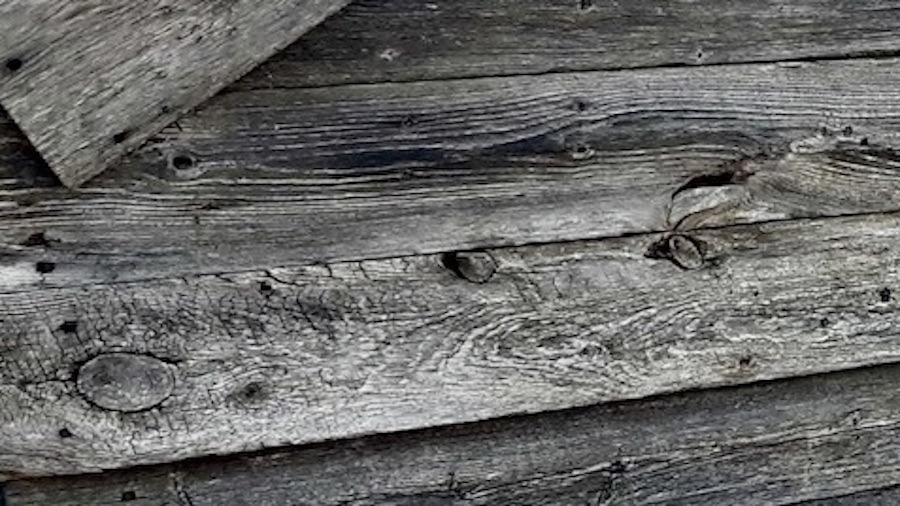
In a world of flat-pack furniture and sterile white cubes, there is something revolutionary about building a gallery from the wreckage of the woods. For our newest project, we aren’t looking to the hardware store; we are looking to the leaning shacks and abandoned homesteads hidden in the brush. These structures, though decaying, hold a treasure trove of “silver-gold”—boards that have been sandblasted by decades of wind and bleached by the sun. By reclaiming this wood, we are creating a gallery that feels like it grew right out of the local soil.
The beauty of using shack boards lies in the “patina of time.” You cannot fake the deep, tectonic grooves of a hundred-year-old cedar plank or the perfect slate-grey hue of weather-beaten pine. When we use these materials to create pedestals and plinths, they act as a neutral yet textured backdrop that makes vibrant artwork pop. It’s a low-cost, high-impact design strategy that proves you don’t need a massive grant to create a world-class exhibition space—you just need an eye for the potential in what others have left behind.
Construction in the bush gallery is a lesson in creative problem-solving. Without a fleet of high-end power tools or a massive budget, we rely on the inherent strength of the timber itself. We are “weaving” these boards into modular partitions and heavy-set benches that honor their original form. This approach doesn’t just save money; it preserves the heritage of the material. Every nail hole and knot tells a story of the person who first milled that wood generations ago, connecting our modern art scene to the pioneers who first built these structures.
Ultimately, this project is about more than just furniture—it’s about sustainability and pride of place. By upcycling local materials, we are ensuring that our gallery is an authentic reflection of the Dyment area. It’s a space built for the community, by the community, out of the very landscape we call home. We’re turning the “skeleton” of a forgotten shack into the “heartbeat” of a new cultural hub, proving that with a little imagination, even a pile of old boards can become a stage for something beautiful.