Turning Concrete Corners into Community Hearts
"These spots give us third places where we can just exist without needing to buy anything."
Discover how the power of placemaking transforms empty northern spaces into vital mental health hubs.
You walked past that abandoned lot every day for years before someone finally dragged a bench into it.
Then came the planter boxes, and suddenly, the vibe shifted from a skipped place to somewhere to be. That is placemaking in its rawest form. It is not about fancy urban planning or high-budget architecture; it is the radical act of claiming a space and making it feel like it belongs to humans instead of just cars or capitalism. In our small northern towns, where the winters feel like a three-year sentence, these pockets of intention are literal lifesavers. They remind us that the physical world is still something we can touch and change, rather than just a background for our digital lives. It is the art of showing up for a location until it starts showing up for you too.
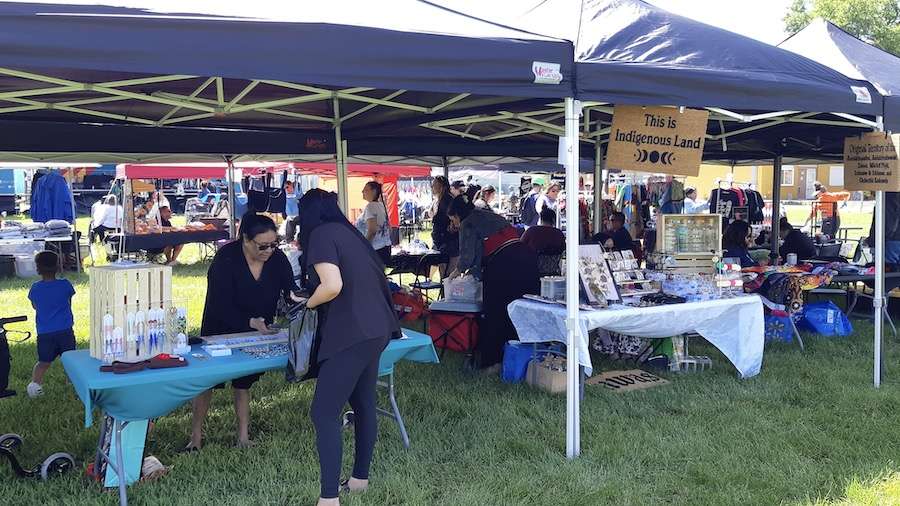
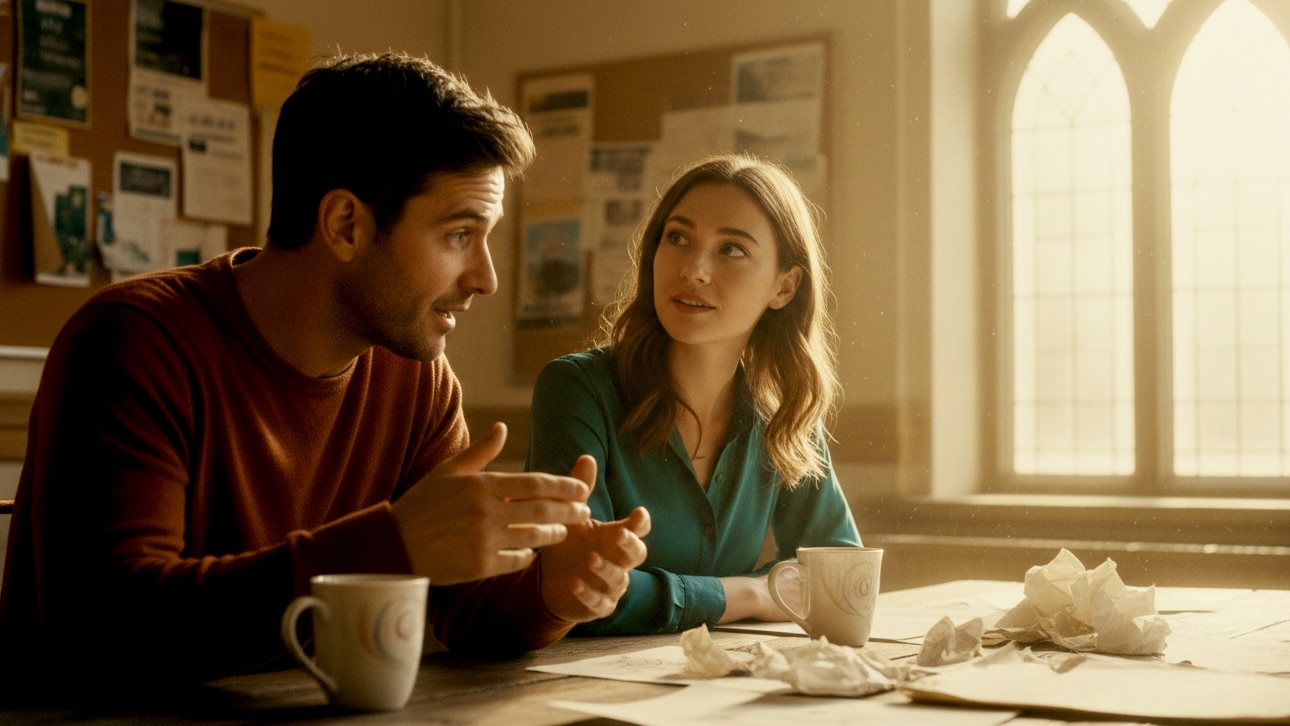
Living in rural Northwestern Ontario means we are used to vast, empty spaces, but sometimes that emptiness translates into a weird kind of social isolation. Placemaking bridges that gap. It is the mural on the side of the local co-op or the community fire pit by the lake. These spots give us third places—territories that are not home and not work, where we can just exist without needing to buy anything. When we participate in making these spaces, we move from being passive residents to active architects of our own environment. It is about taking agency over a town that sometimes feels like it is stuck in a time loop, proving that even a small change can shift the collective mood.
From a mental health perspective, this is gold. If you are struggling with low mood or that heavy northern seasonal slump, your brain often tries to convince you to rot at home. It is a trap. Getting out to a place that feels welcoming and designed for connection is a form of behavioral activation, a core CBT technique. It is a gentle nudge to the nervous system that says, "You are part of something bigger than your bedroom." Acceptance and Commitment Therapy (ACT) teaches us to act on our values even when the heavy feelings haven't lifted yet. If you value community or art, just sitting in a shared park—even if you are just staring at the trees—is a massive win for your resilience. It grounds you in the physical world and reduces that digital-only brain fog that comes from staring at screens for ten hours straight.
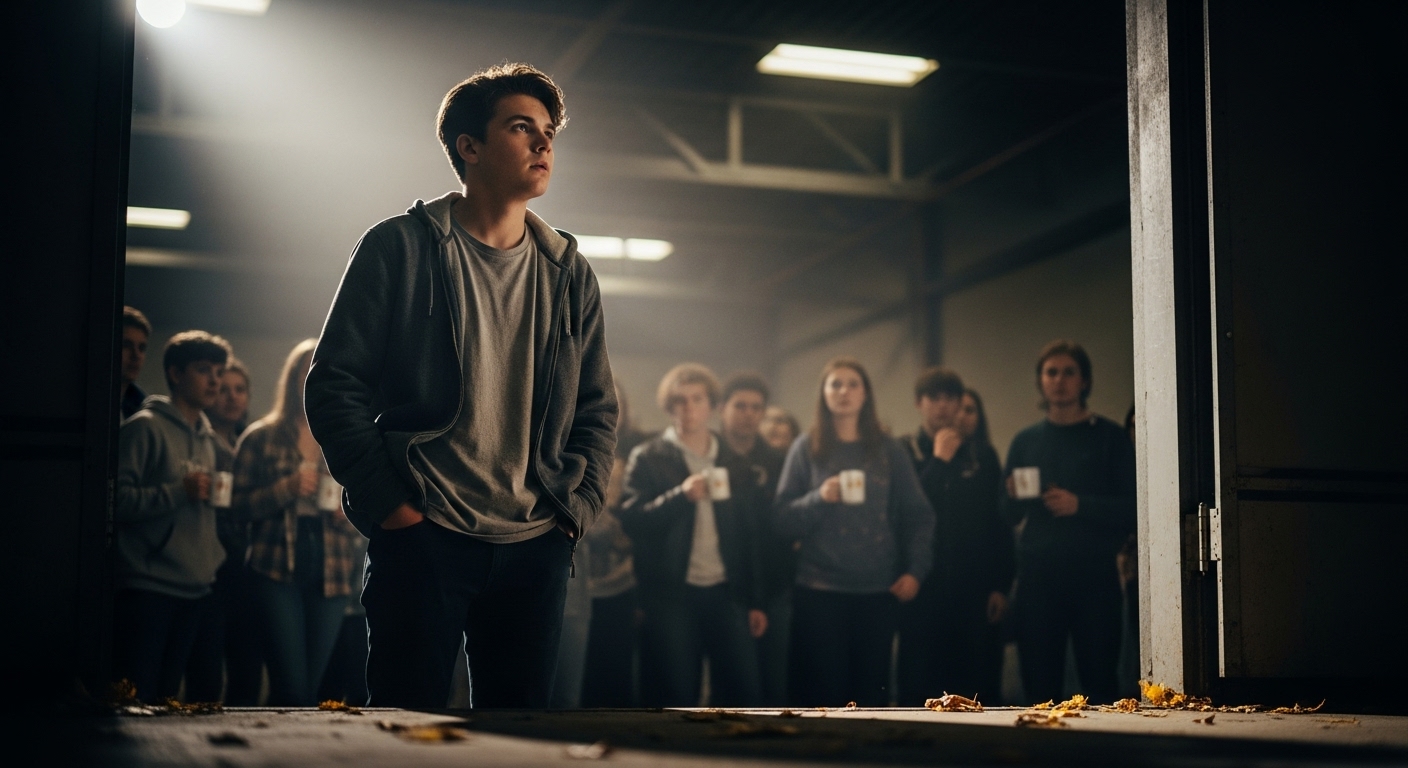
For the artists and small collectives out here in the rural patches, placemaking is your secret superpower. You do not need a massive government grant or a ten-year plan to start. A few local musicians playing on a street corner or a pop-up art gallery in a cleared-out warehouse changes how people perceive their own town. It builds resilience because it proves we can create joy where there was once only silence. When we see ourselves reflected in our surroundings—through murals, community gardens, or even just better seating—we feel a deeper sense of dignity and belonging. We are no longer just surviving the North; we are actively thriving in it. It fosters a sense of pride that is contagious. When one group cleans up a trail or paints a bench, it signals to everyone else that this place matters.
So next time you see a dead space, do not just sigh and keep walking. Think about what it could be if it had a little soul. Maybe it just needs a few people to show up and care about it for an hour. Placemaking is a quiet revolution of kindness and presence. It is about realizing that we deserve nice things, even in the middle of a blizzard or a lonely Tuesday. This isn't about gentrification; it is about reclaiming the commons for the people who actually live here. It is about turning the "nothing to do here" narrative on its head. Grab a friend, find a spot, and start making it yours. Your nervous system will thank you for the fresh air and the reminder that you belong exactly where you are.
Northwestern Ontario Arts, Culture and Recreation
Rooted in Melgund Township, Northwestern Ontario we're exploring arts, culture, and recreation programming that brings our communitiess together. From creative workshops and local exhibitions to youth activities and cultural events, we support rural artists, strengthen community connection, and celebrate the creative spirit of Northwestern Ontario.
Through community-based arts initiatives, recreation programming, and cultural gatherings, Melgund Recreation, Arts and Culture fosters creative expression, collaboration, and long-term sustainability in the northern arts sector. Our work connects residents, empowers youth, and builds pride in local talent across rural Northwestern Ontario.
Learn more about our programs, events, and opportunities at Melgund Recreation, Arts and Culture.
Share This Story