The Art of Reclaiming Nowhere
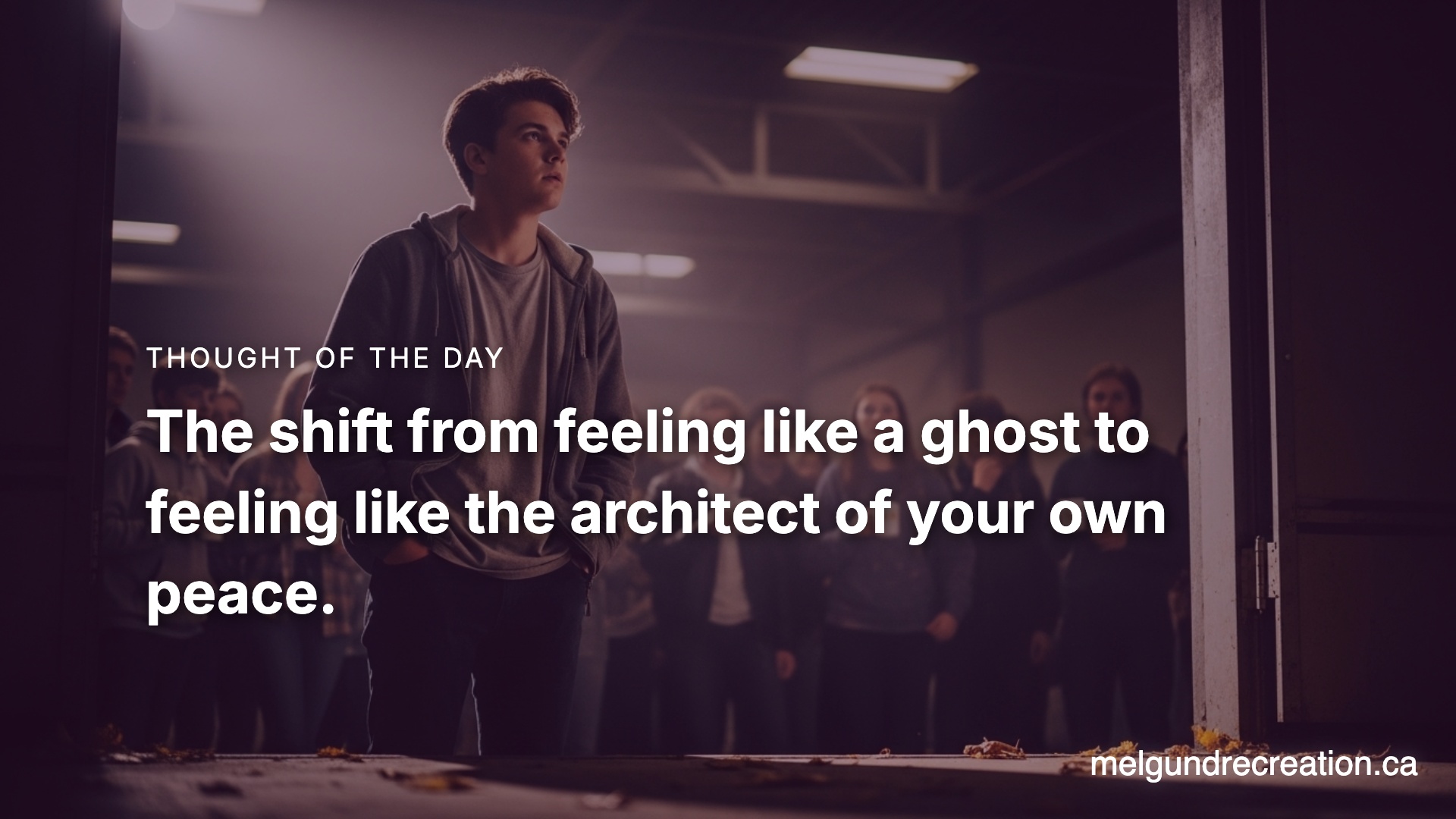
"The shift from feeling like a ghost to feeling like the architect of your own peace."
How the power of placemaking transforms mental health and community resilience in northern rural spaces.
You stare at the empty lot behind the hardware store and realize nobody is coming to fix it. This is the exact moment you decide to plant a row of sunflowers anyway.
Placemaking sounds like a fancy urban planning term people in Toronto use, but for us in the north, it is survival. It is the act of taking a space that feels anonymous or abandoned and breathing your own rhythm into it. When we talk about the power of placemaking, we are really talking about psychological ownership. It is the shift from feeling like a ghost in your own town to feeling like the architect of your own peace. It turns "nowhere" into "here." This isn't just about aesthetics; it is about deciding that your geography is worthy of care.
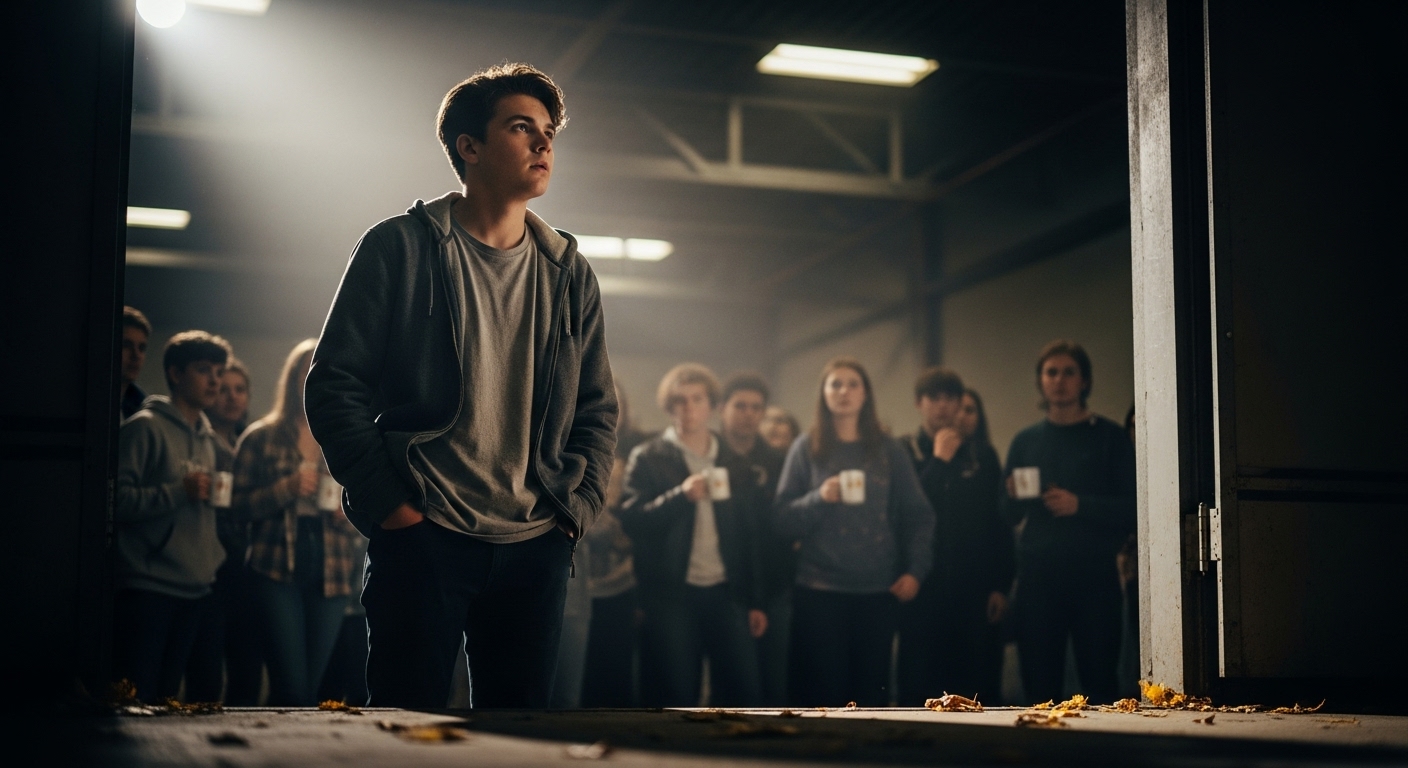
In small northern towns, isolation is the default setting. The distance between communities creates a specific kind of mental weight, a feeling that your life is happening on the periphery of the real world. This contributes to that heavy-eyed burnout we all know too well. Placemaking fights this by creating third spaces—places that aren't work or home where you can actually perceive other humans. It is hard to feel invisible when you are sitting on a bench you helped paint with your friends. These moments of micro-connection are the only real cure for the chronic loneliness that tends to settle in during the long winters.
From an Acceptance and Commitment Therapy perspective, this is about value-aligned action. If you value connection, you do not wait for a community center to open; you start a weekly sketch club at the local park or stick a tiny library on your fence. This tiny move signals to your brain that you have agency. You are no longer just reacting to the lack of resources; you are actively manifesting a reason to stay. It is the ultimate brain-rot cure because it pulls you out of your digital feed and into the dirt. You become a participant instead of a consumer.
Mental health thrives when we feel a sense of belonging to a landscape. In the north, the landscape is usually just "the bush," beautiful but indifferent to our existence. Placemaking humanizes the wild. It might be a community garden in Kenora or a pop-up gallery in a basement in Thunder Bay. These spots become anchors. They regulate our nervous systems by providing predictability and social safety in a world that often feels like it is glitching out. When you know there is a specific spot where people gather, your baseline anxiety drops.
You do not need a massive grant or permission from the town council to start. True placemaking is grassroots and a little bit messy. It is about reclaiming the dignity of our surroundings so we can finally feel the dignity in ourselves. Look around your block today. Find one corner that feels forgotten and imagine what it would look like if it actually loved you back. That shift in perspective is where the healing begins.
Northwestern Ontario Arts, Culture and Recreation
Rooted in Melgund Township, Northwestern Ontario we're exploring arts, culture, and recreation programming that brings our communitiess together. From creative workshops and local exhibitions to youth activities and cultural events, we support rural artists, strengthen community connection, and celebrate the creative spirit of Northwestern Ontario.
Through community-based arts initiatives, recreation programming, and cultural gatherings, Melgund Recreation, Arts and Culture fosters creative expression, collaboration, and long-term sustainability in the northern arts sector. Our work connects residents, empowers youth, and builds pride in local talent across rural Northwestern Ontario.
Learn more about our programs, events, and opportunities at Melgund Recreation, Arts and Culture.
Share This Story