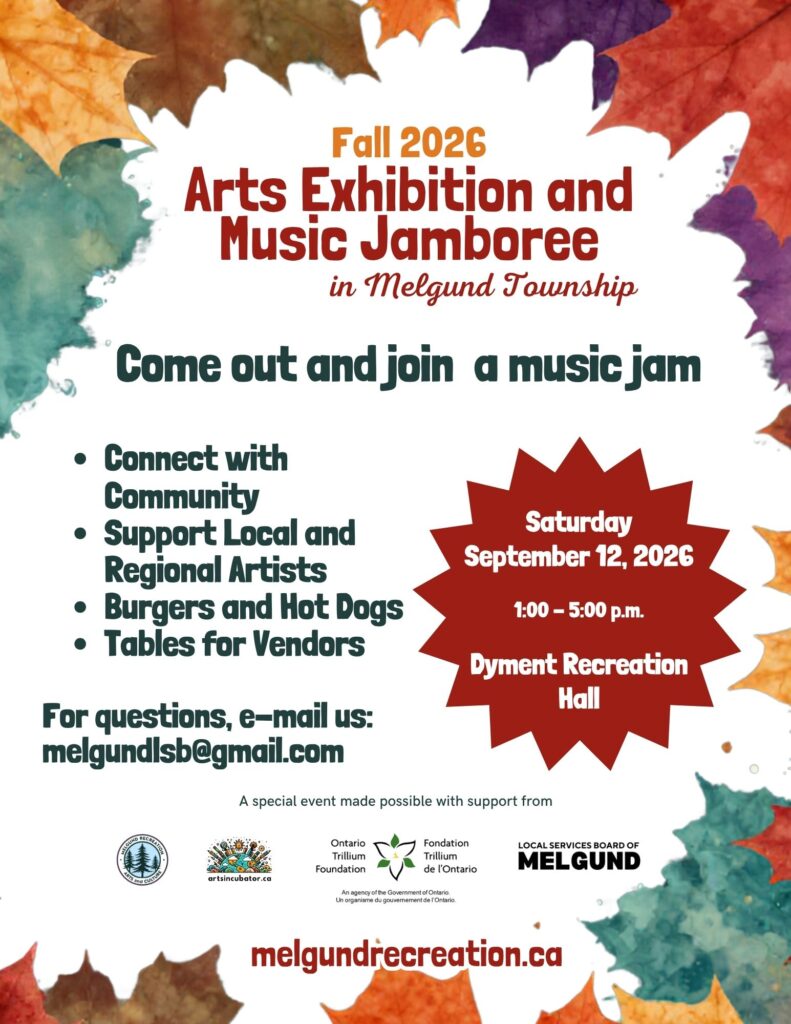
In Dyment and Borups Corners, residents are turning to participatory arts and open dialogue to navigate the long-term realities and local implications of the proposed Deep Geological Repository for Canada’s used nuclear fuel.
Across Melgund Township, discussions about nuclear waste are moving beyond formal settings, taking shape instead in gathering spaces, studios, and community-led environments throughout Dyment and Borups Corners.
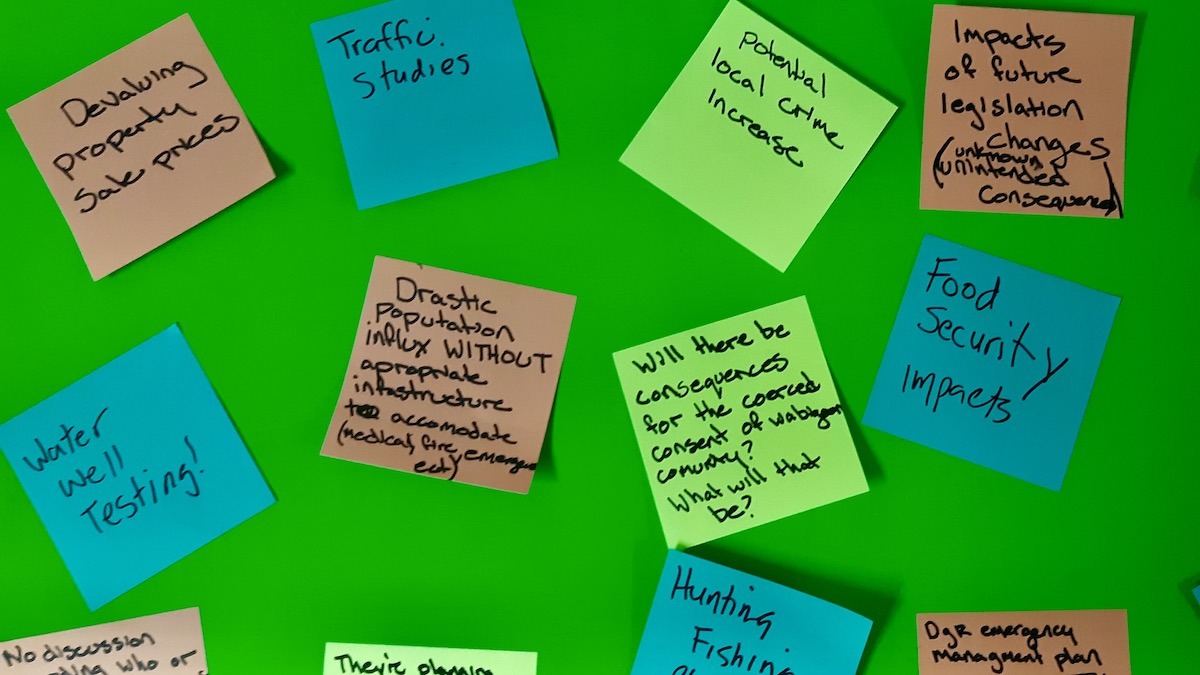
Over the past year, people living in these nearby communities—those closest to the proposed Deep Geological Repository (DGR) for Canada’s Used Nuclear Fuel Project—have been participating in a range of arts-based workshops and collaborative conversations. These sessions offer an alternative to traditional engagement, encouraging reflection through creative practices like storytelling, sketching, mapping, and facilitated discussion.
The initiative, proposed by the Nuclear Waste Management Organization (NWMO), aims to safely store roughly 5.9 million bundles of used nuclear fuel deep underground over an estimated 160-year timeframe. From early site preparation to eventual closure and long-term monitoring, the project represents a major undertaking for the region. The review process is being conducted alongside the Canadian Nuclear Safety Commission.
For many, the long horizon and technical scope of the project can be difficult to grasp. Creative engagement has helped bridge that gap. In Dyment, participants have worked on visual and narrative timelines imagining future landscapes. In Borups Corners, conversations have centered on care, accountability, and how decisions made today resonate across generations. Some gatherings have brought together Elders and youth, creating opportunities to share knowledge across different lived experiences.
What’s emerging is not a single, unified stance—but a fuller picture of community thought. Some residents feel cautiously optimistic, others remain concerned, and many continue to reflect. These workshops have opened up space for dialogue that feels personal, grounded, and accessible.
At the same time, these grassroots efforts are unfolding alongside the formal federal assessment. Feedback is currently being accepted on the Draft Tailored Impact Statement Guidelines and Public Participation Plan, with submissions open until May 10. Community members and the broader public are invited to share their input through the Canadian Impact Assessment Registry.
As decisions with generational consequences move forward, residents of Melgund Township are ensuring their perspectives are expressed in meaningful ways. Through creativity, dialogue, and shared experience, they are helping shape how participation is understood and practiced.
Activities are funded with support from the IAAC Participant Funding Program.