Why Being Useful Is The Ultimate Brain Hack
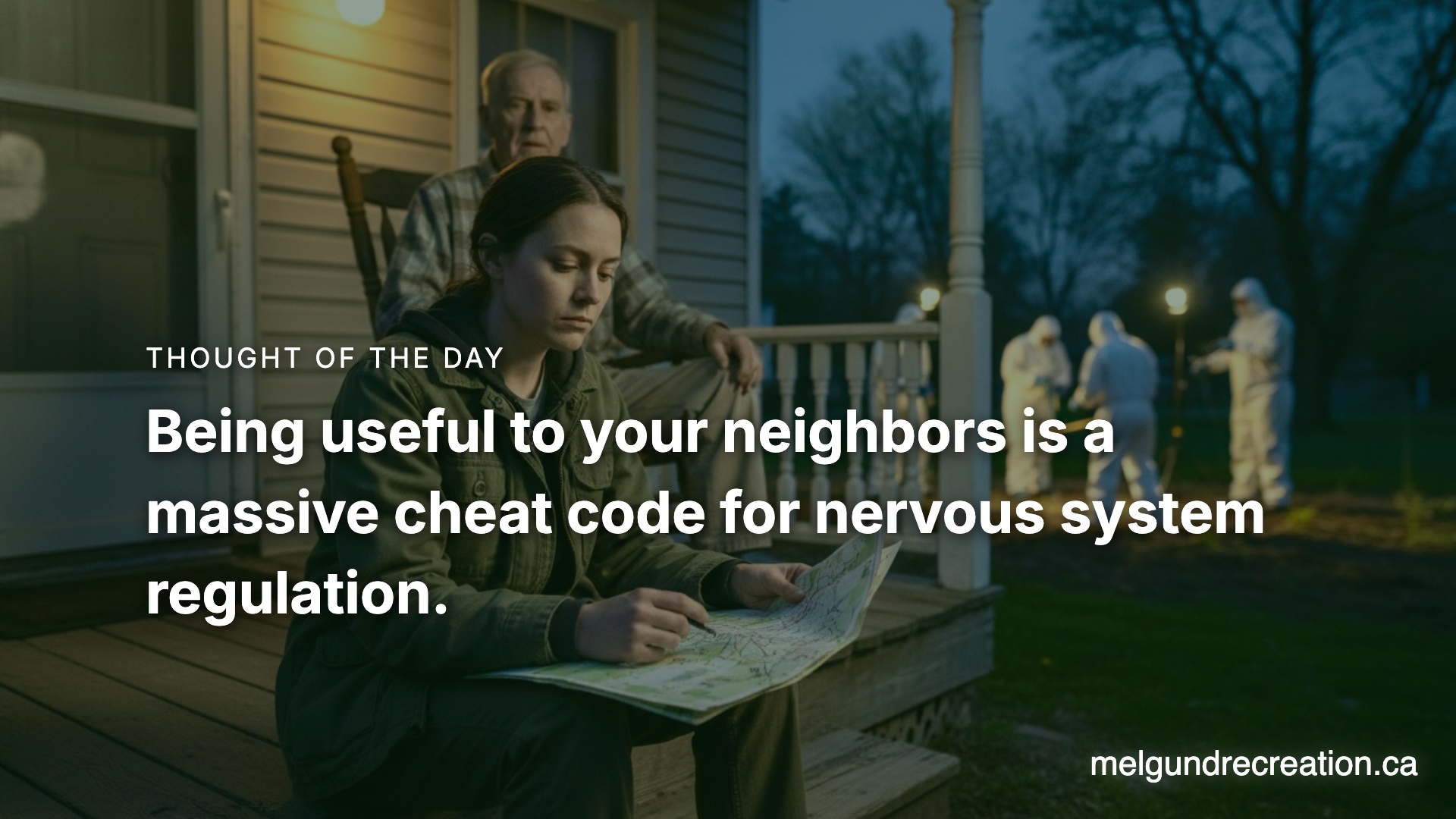
"Being useful to your neighbors is a massive cheat code for nervous system regulation."
Why volunteerism is so important these days for our collective mental health and resilience.
Self-care isn't just buying overpriced sheet masks; it’s showing up for someone who didn’t ask you to.
Last winter in Northwestern Ontario felt like it lasted three straight years, and my brain was basically a browser tab with too many "Page Not Found" errors. I was doomscrolling until my thumb went numb, convinced that my small-town existence was a glitch in the simulation. Then, I dragged myself to help this tiny arts collective in Thunder Bay that was trying to keep their gallery doors open during a budget crisis. I wasn't there for a paycheck or a resume boost, I just needed to be around humans who weren't on a screen. Volunteerism is so important these days because it breaks the loop of internal noise that tells us we are fundamentally alone in our struggle.
There’s this thing in ACT called "valued action." It’s the idea that you don't wait to feel "good" before you do something meaningful. You just do the thing because it aligns with the kind of human you want to be. When I was hanging those weird, oversized paintings for a local artist, my anxiety didn’t magically vanish, but it moved to the backseat for a change. I wasn't the "depressed kid" for an hour; I was the person who knew how to use a level and a hammer. It gave me a sense of dignity that no amount of positive affirmations could ever touch.
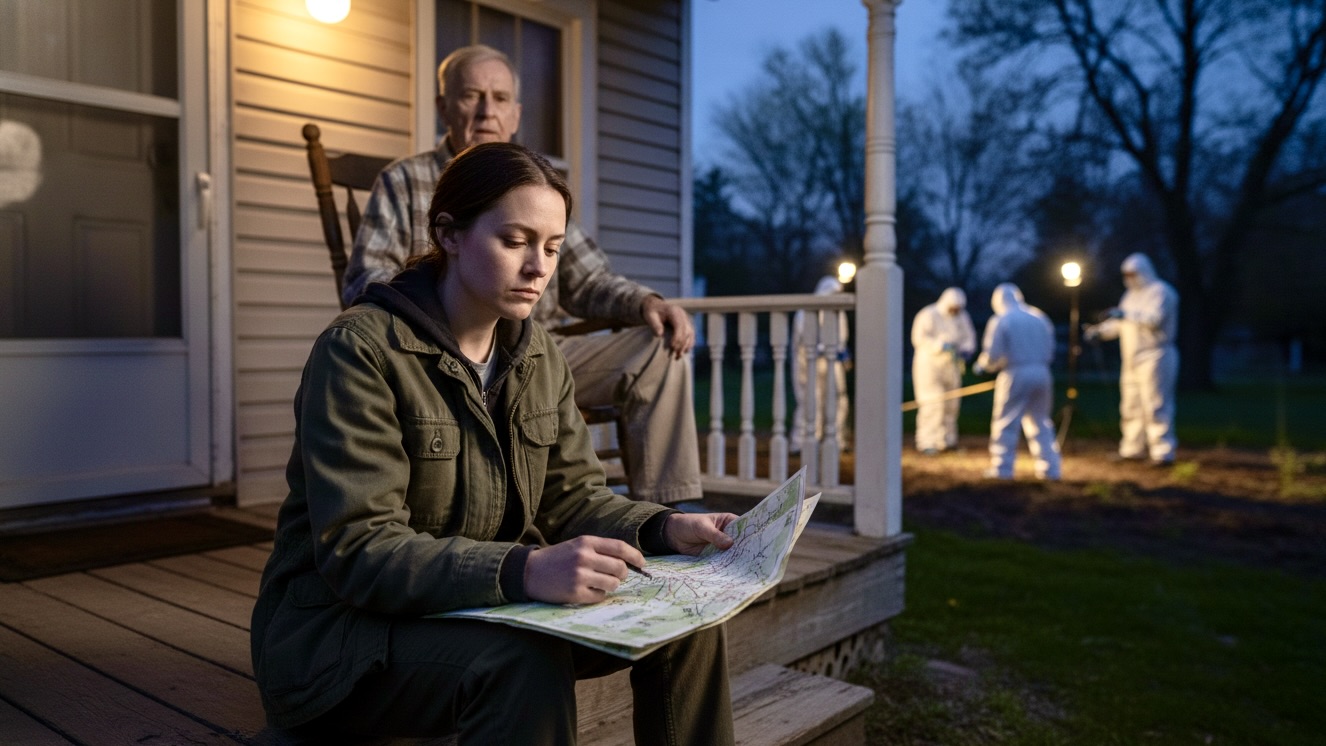
Living in rural Ontario means we have to be our own cavalry. If we don’t show up for the community theatre or the youth art program in places like Kenora or Dryden, nobody else is coming from the city to do it for us. That realization is heavy, but it’s also incredibly grounding. When you volunteer, you aren't just "helping out." You are literally weaving the safety net that might catch you next month when you’re the one struggling to stay afloat. Being useful to your neighbors is a massive cheat code for nervous system regulation.
Try a "micro-shift" this week. Find one organization in your area—a shelter, a pet rescue, or that scrappy little zine collective—and give them two hours of your time. Don't do it to be a hero or for the social media clout. Do it because your brain needs a break from its own monologue. You might find that the heaviest parts of your own story get a little lighter when you’re busy carrying someone else’s boxes. It’s okay if you’re awkward or if you don't know what you're doing yet. Being there is the whole point.
We spend so much time trying to fix ourselves in isolation. We buy the books, we track the moods, we analyze the trauma until we're blue in the face. But sometimes, the actual healing happens in the friction of community. It happens when you’re shivering in a drafty community center, handing out flyers for a local show. Resilience isn't a solo sport, especially not up here. We survive the cold by keeping each other warm, and that’s a fact that won't change no matter how many AI updates the world gets.
Northwestern Ontario Arts, Culture and Recreation
Rooted in Melgund Township, Northwestern Ontario we're exploring arts, culture, and recreation programming that brings our communitiess together. From creative workshops and local exhibitions to youth activities and cultural events, we support rural artists, strengthen community connection, and celebrate the creative spirit of Northwestern Ontario.
Through community-based arts initiatives, recreation programming, and cultural gatherings, Melgund Recreation, Arts and Culture fosters creative expression, collaboration, and long-term sustainability in the northern arts sector. Our work connects residents, empowers youth, and builds pride in local talent across rural Northwestern Ontario.
Learn more about our programs, events, and opportunities at Melgund Recreation, Arts and Culture.
Share This Story